Red Raspberry Leaf for Women’s Health: A Natural Ally for Wellness
Red raspberry leaf has gained attention for its potential benefits in women’s health. Many women find it helpful during different life stages, particularly during menstruation…
Red raspberry leaf has gained attention for its potential benefits in women’s health. Many women find it helpful during different life stages, particularly during menstruation and pregnancy. This herb is known to support uterine health and may help ease menstrual discomfort, making it a popular choice for those seeking natural remedies.
As you explore the benefits of red raspberry leaf, you might discover how it can assist in balancing menstrual cycles and toning uterine muscles. Incorporating this herbal infusion into your routine could lead to a more comfortable experience during your cycle and even provide support during pregnancy.
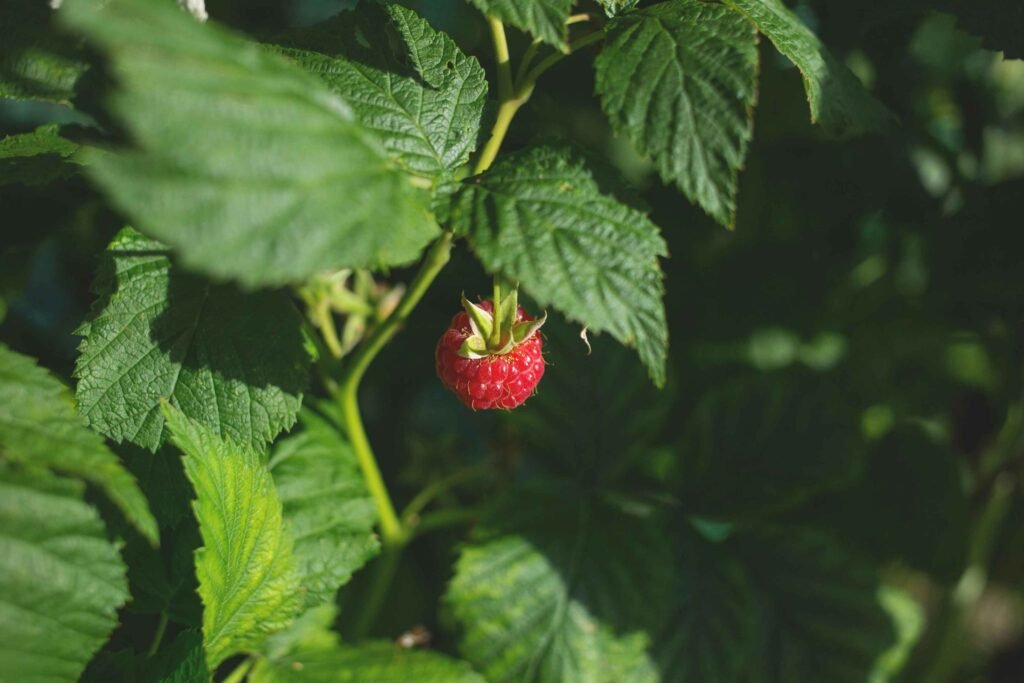
Whether you are looking for relief from menstrual cramps or ways to support your body during pregnancy, red raspberry leaf tea may be worth considering. This natural option has a long history of use and a reputation for promoting women’s wellness.
The Benefits of Red Raspberry Leaf
Red raspberry leaf offers a variety of benefits for women’s health, particularly in relation to nutrition, menstrual relief, and fertility. Understanding these benefits can help you decide how to incorporate this herb into your routine.
Nutritional Content
Red raspberry leaf is packed with essential nutrients. It contains vitamins A, C, E, and several B vitamins. These vitamins support overall health and help your body function optimally.
The leaves also boast a variety of minerals, including calcium, magnesium, potassium, and iron. Calcium is vital for bone health, while magnesium supports muscle function and energy production.
Additionally, this herbal remedy contains antioxidants that combat oxidative stress. This can play a role in reducing inflammation and supporting your immune system.
Menstrual Relief
Many women turn to red raspberry leaf for its potential to ease menstrual discomfort. The leaves contain compounds known as tannins, which can help tone and strengthen the uterine muscles. This may alleviate cramping and make your periods more manageable.
Research suggests that those who consume red raspberry leaf may experience lighter and shorter periods. Many users report less pain during their cycles, making it easier to go about daily activities.
Incorporating red raspberry leaf tea into your routine at specific times during your cycle may provide significant relief. Sipping this tea may help you find comfort during those challenging days.
Fertility and Pregnancy
For those looking to conceive, red raspberry leaf may offer benefits that support fertility. The herb is thought to promote hormonal balance, which is crucial for regular ovulation and overall reproductive health.
During pregnancy, many women consume red raspberry leaf to strengthen the uterus and potentially shorten labor. It is rich in nutrients that support both mother and baby during this time.
Consult with a healthcare provider before using red raspberry leaf during pregnancy to ensure it aligns with your unique health needs. When used appropriately, it may be a helpful addition to your wellness routine.
How to Use Red Raspberry Leaf
Using red raspberry leaf can be a rewarding addition to your wellness routine. This herb offers various forms, allowing you to choose the method that best fits your lifestyle.
Teas and Infusions
One of the most popular ways to consume red raspberry leaf is by making tea. To prepare this herbal infusion, start with 1-2 teaspoons of dried leaves per cup of boiling water. Let it steep for about 10-15 minutes to extract the flavor and benefits. You can enjoy this tea hot or cold.
If you prefer, you can blend it with other herbal teas like peppermint or ginger for added flavor. Drinking 1-3 cups daily is generally recommended, as studies suggest this amount is safe for most people.
Capsules and Extracts
If you’re not a fan of tea, red raspberry leaf is also available in capsules and liquid extracts. Capsules offer convenience and precise dosing. Typical doses vary, so follow the instructions on the packaging.
Liquid extracts can be mixed into water or other beverages. These forms are beneficial if you’re looking for flexibility in how you take your herbal supplements. Always choose high-quality products from reputable brands for the best effects.
Dosage Recommendations
When considering how much red raspberry leaf to use, it’s essential to adhere to dosage recommendations. For tea, 1-3 cups a day is common. If using capsules, the dosage may range between 500 mg to 1000 mg taken one to three times a day, depending on the brand.
During early pregnancy, it’s advisable to limit intake or consult your healthcare provider. This cautious approach ensures you benefit from the herb while prioritizing safety. Always listen to your body and adjust as necessary.
Potential Side Effects and Considerations
When considering red raspberry leaf, it’s important to be aware of potential side effects and specific health considerations. This herb, while commonly associated with benefits for women’s health, may interact with certain medications and presents unique considerations for pregnancy.
Interaction With Medications
Red raspberry leaf may influence your body’s response to certain medications. For example, if you’re taking insulin, combining it with raspberry leaf could cause your blood sugar levels to drop too low.
It’s advisable to monitor your blood sugar closely if you are managing diabetes. Additionally, consult your healthcare provider if you’re on blood thinners. Raspberry leaf may also interact with hormones or medications affecting hormonal balance.
Keeping your doctor informed about herbal supplements is crucial to avoid adverse effects.
Pregnancy Considerations
If you are pregnant or planning to become pregnant, the use of red raspberry leaf requires careful consideration. It has been traditionally used to support uterine health, but there are mixed opinions regarding its safety.
Some studies indicate that it might promote contractions, which raises concerns during early pregnancy. Ensure to discuss its use with your healthcare provider, especially if you’re in the later stages of pregnancy.
Listen to your body and prioritize consultations with your doctor to understand how it fits into your health plan.
Research and Studies
Research into red raspberry leaf focuses on its historical use and modern scientific findings. Understanding both perspectives can provide insights into its benefits for women’s health.
Historical Use
For centuries, women have used red raspberry leaf in various cultures. Traditionally, it has been known for its role in supporting pregnancy and childbirth.
Herbalists often recommend it to help tone the uterus and regulate menstrual cycles. Many believed that drinking red raspberry leaf tea could ease childbirth by promoting effective contractions.
These historical practices highlight the herb’s established presence in women’s health, suggesting it may have value based on anecdotal evidence.
Modern Scientific Findings
Recent studies have begun to support some of these traditional beliefs. Research indicates that red raspberry leaf may help shorten labor and improve pregnancy outcomes.
For instance, a study found that it can enhance uterine contractions, making labor more efficient. Additionally, findings suggest it can be safely consumed during pregnancy, with minimal side effects for mothers and their babies.
While many benefits are supported by evidence, some claims, like boosting milk production, require more research for confirmation.
You can explore various studies to further understand these benefits and how they can fit into your health practices.
Incorporating Red Raspberry Leaf Into Your Diet
Integrating red raspberry leaf into your diet can be enjoyable and beneficial. You can explore various recipes and create a routine that fits your lifestyle while enjoying its potential health benefits.
Recipes and Ideas
There are several delicious ways to include red raspberry leaf in your daily meals. One popular choice is brewing a soothing cup of red raspberry leaf tea. Simply steep 1-2 teaspoons of dried leaves in hot water for about 10 minutes. Enjoy it plain, or add honey or lemon for extra flavor.
You can also experiment by adding dried raspberry leaves to smoothies. Blend them with your favorite fruits, yogurt, and a splash of juice for a nutritious drink. For a snack option, consider baking raspberry leaf into muffins or energy bars.
Lastly, if you enjoy herbal infusions, try making a refreshing iced tea. Combine red raspberry leaf tea with mint, cucumber, and a bit of honey. Serve over ice for a revitalizing treat.
Creating a Routine
To reap the potential benefits of red raspberry leaf, consider establishing a consistent routine.
Start your day with a warm cup of tea. This simple habit can promote a calming morning ritual.
Aim to incorporate red raspberry leaf 3-4 times a week. You could alternate between tea, smoothies, and baked goods to keep things exciting.
Tracking your intake may be helpful. Consider using a journal or a mobile app.
Don’t hesitate to experiment with different recipes until you find your favorites. Making it a regular part of your diet helps ensure you enjoy its potential benefits while fitting it seamlessly into your lifestyle.