Natural Ways to Reduce Bloat: Simple Tips for a Happier Gut
Bloating can be an uncomfortable experience. It often leaves you feeling heavy and sluggish. If you’re looking for effective ways to ease this discomfort, you’re…
Bloating can be an uncomfortable experience. It often leaves you feeling heavy and sluggish. If you’re looking for effective ways to ease this discomfort, you’re in the right place.
Natural remedies can help reduce and even prevent bloating. These include mindful eating, staying active, and making dietary adjustments.

Understanding some of the common triggers, like certain foods or habits, is a key step toward finding relief. Incorporating simple practices into your daily routine can make a significant difference in how you feel.
From gentle exercises to specific dietary tweaks, there are plenty of straightforward strategies to combat bloating.
By exploring the various natural methods available, you can regain your comfort and confidence. Whether it’s sipping on herbal teas or incorporating movement into your day, these tips are both easy to adopt and effective.
Understanding Bloating
Bloating is a common discomfort that many people experience. It is often marked by a feeling of fullness and distension in the abdomen. Bloating stems from various causes and comes with distinct symptoms that affect your daily life.
Causes of Bloat
Bloating can occur due to several factors. Here are some common causes:
- Dietary Choices: Consuming high-fiber foods, carbonated drinks, and certain legumes can lead to gas accumulation.
- Food Intolerances: Lactose intolerance and gluten sensitivity may trigger bloating after meals.
- Swallowing Air: Eating too quickly, chewing gum, or drinking through a straw can introduce excess air.
- Digestive Disorders: Conditions like irritable bowel syndrome (IBS), gastroesophageal reflux disease (GERD), or constipation can also contribute.
Understanding what triggers your bloating is essential for effective management. Keeping a food diary or noting activities can help identify patterns.
Symptoms and Effects
Bloating presents with various symptoms that can impact your comfort. Common signs include:
- Abdominal Discomfort: You may feel tightness or a sense of fullness in your stomach.
- Visible Distension: Your abdomen may appear swollen or enlarged.
- Gas and Flatulence: An increase in gas can lead to burping or passing gas.
- Changes in Bowel Movements: You might experience constipation or diarrhea.
These symptoms can affect your daily routine and overall quality of life. Addressing them promptly with dietary adjustments or lifestyle changes can help you feel more at ease.
Dietary Adjustments
Making thoughtful dietary adjustments can significantly help in reducing bloating. By choosing the right foods and being mindful of what to avoid, along with increasing your fiber intake, you can support your digestive system.
Foods to Include
Incorporating certain foods into your diet can promote better digestion and reduce bloating. Consider adding the following:
- Bananas: They are low in fructose and can help maintain potassium levels.
- Oranges: High in vitamin C, they also aid digestion and hydration.
- Cantaloupe: This fruit is hydrating and can help soothe your digestive system.
- Yogurt: Contains probiotics that support gut health and ease digestion.
Including these foods can provide nutrients that support your body’s natural processes and mitigate discomfort from bloating.
Foods to Avoid
Certain foods can exacerbate bloating and should be limited or avoided. Pay attention to the following:
- High-fructose fruits: Items like apples, pears, and watermelon may contribute to gas.
- Carbonated drinks: These can introduce excess air, leading to bloating.
- Chewing gum: This often leads to swallowing air, which can increase gas in the digestive tract.
- Processed foods: These can contain high levels of sodium, which may cause water retention and bloating.
Opting for fresh, whole foods can minimize these issues while keeping you satisfied.
Importance of Fiber
Gradually increasing your fiber intake is crucial for digestive health. Fiber helps in two ways:
- Normalizing Digestion: It aids in moving food through your digestive system, preventing constipation.
- Balancing Gut Bacteria: A healthy fiber intake supports the growth of beneficial gut bacteria, which can reduce bloating.
Aim for a balanced mix of soluble and insoluble fiber. Foods like oatmeal, legumes, and whole grains can help meet your fiber goals.
It’s important to introduce fiber slowly to avoid overwhelming your system. Drink plenty of water to assist with the digestive process.
Hydration and Fluid Intake
Staying properly hydrated is key to managing bloating. Adequate fluid intake helps your body function optimally and can assist in reducing excess water retention. Understanding the benefits of hydration and incorporating natural diuretics into your diet can make a significant difference.
Benefits of Staying Hydrated
Drinking enough water can help alleviate bloating in several ways. Firstly, adequate hydration aids in digestion and helps prevent constipation, which is a common cause of bloating.
Additionally, when you stay hydrated, your body is less likely to retain excess water. Fluid retention often occurs when you don’t drink enough, leading your body to hold onto what it has.
Aim for at least eight 8-ounce glasses of water daily, and consider increasing this amount if you’re active. Don’t forget that foods with high water content, like cucumbers and watermelon, also contribute to your hydration needs effectively.
Natural Diuretics
Incorporating natural diuretics into your diet can further help combat bloating. Some common and effective options include:
- Cucumbers: High in water and help flush out excess sodium.
- Celery: Contains compounds that promote urination and reduce bloating.
- Dandelion tea: A popular herbal diuretic that can help your body release excess fluid.
Herbs like parsley and green tea are also known for their diuretic properties. These options not only aid in hydration but can promote digestive health and help stabilize your system. Include these in your meals or snacks for added benefits.
Lifestyle Changes
Making specific lifestyle changes can significantly help reduce bloating. These adjustments focus on your daily habits, including exercise, stress management, and eating practices. Let’s explore how these can contribute to your comfort.
Exercise Regularly
Incorporating regular physical activity into your routine plays a vital role in minimizing bloating. When you exercise, your body promotes digestion and helps to expel gas, reducing discomfort.
Tips for exercise:
- Aim for at least 150 minutes of moderate aerobic activity each week. This could be brisk walking, swimming, or cycling.
- Include strength training exercises twice a week to support overall health.
- Gentle activities like yoga and stretching are also beneficial. Poses such as child’s pose and seated twists can aid digestion.
Stress Management Techniques
Managing stress is crucial in tackling bloating, as stress can impact your digestive system. High stress levels may lead to habits like overeating or eating too quickly, which can worsen bloating symptoms.
Effective techniques include:
- Deep breathing exercises: Inhale deeply through your nose, hold for a few seconds, and exhale slowly through your mouth.
- Meditation: Spend a few minutes each day focusing on your breath or practicing mindfulness. Apps can guide you through this process.
- Stretching or yoga: Incorporating these can help relieve tension and encourage better digestion, enhancing your overall comfort.
Eating Habits
Paying attention to your eating habits can significantly reduce bloating. Specific practices can help your digestive system function better and minimize discomfort.
Key eating tips:
- Eat smaller, more frequent meals throughout the day rather than three large ones. This can prevent overloading your digestive system.
- Chew your food thoroughly and eat slowly. This aids digestion and reduces the amount of air swallowed.
- Be mindful of food choices. Foods high in fiber, like beans and cabbage, can cause gas, while gut-friendly options like bananas and yogurt help maintain digestive health.
Herbal Remedies
You can explore several herbal remedies to help alleviate bloating effectively. These natural options not only soothe your digestive tract but also provide a variety of additional health benefits.
Ginger
Ginger is well-known for its digestive properties. You can consume it fresh, in tea, or as a supplement. This root helps stimulate digestion and can reduce gas buildup, making it an excellent choice for reducing bloating.
To prepare ginger tea, simply slice fresh ginger and steep it in hot water for about 10 minutes. You might also consider adding honey or lemon for flavor. Regular consumption of ginger may help prevent bloating and improve gastrointestinal health.
Peppermint
Peppermint is another fantastic herb for easing bloating. Its active compound, menthol, can relax the muscles of the gastrointestinal tract, relieving discomfort and gas.
You can enjoy peppermint as a tea or in enteric-coated capsules that release the oil in the intestines.
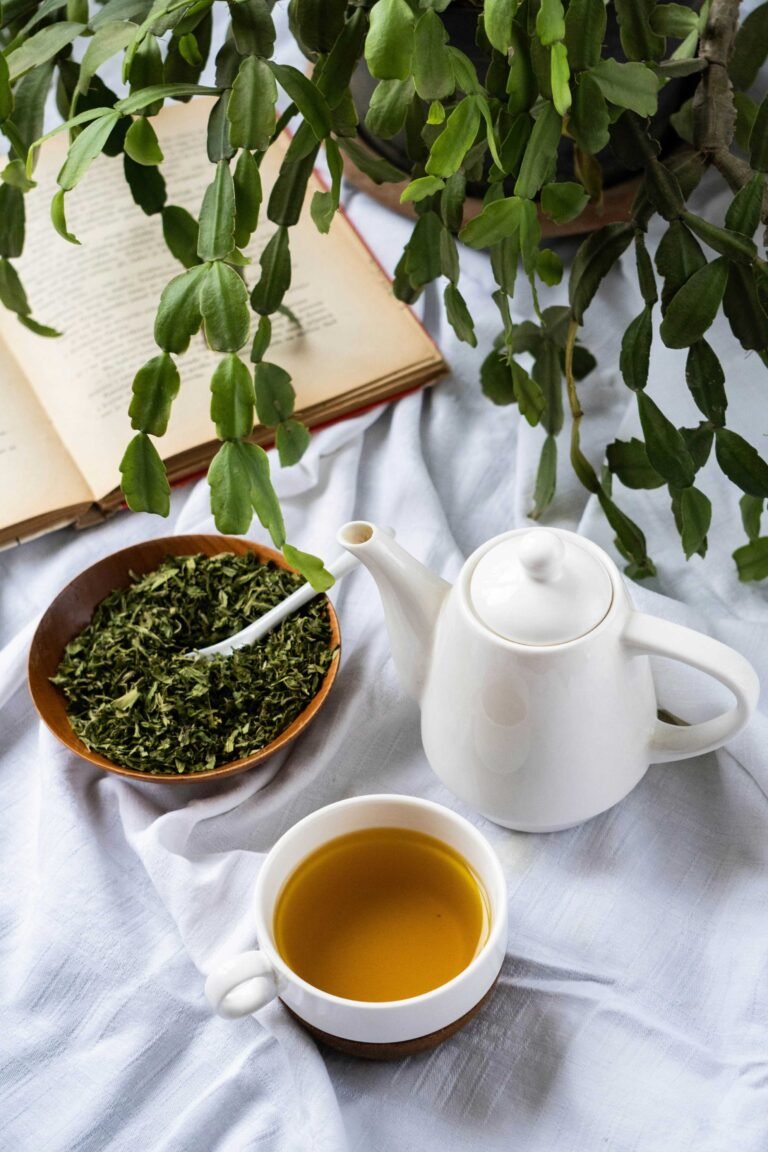
A warm cup of peppermint tea can be particularly soothing. Just steep peppermint leaves in hot water for about 5-7 minutes. This natural remedy can be helpful after meals to support digestion and prevent gas buildup.
Chamomile
Chamomile is often used as a calming herbal remedy. It helps relax the mind and can also soothe your digestive system. The anti-inflammatory properties of chamomile aid in reducing bloating and gas.
To make chamomile tea, steep dried flowers in hot water for around 5 minutes. Sipping this tea, especially before bed, can help you unwind while promoting digestive comfort.
Including these herbal remedies in your routine may offer significant relief from bloating. It can also improve your overall digestive health.