Moringa: The Newest Health Trend Boosting Wellness and Nutrition
Moringa is quickly becoming one of the most talked-about superfoods on the health and wellness scene, and for good reason. With its impressive array of…
Moringa is quickly becoming one of the most talked-about superfoods on the health and wellness scene, and for good reason. With its impressive array of nutrients and potential health benefits, it’s no wonder people are incorporating Moringa into their daily routines.
Moringa offers anti-inflammatory, antioxidant, and even neuroprotective properties, making it a powerful addition to your diet.
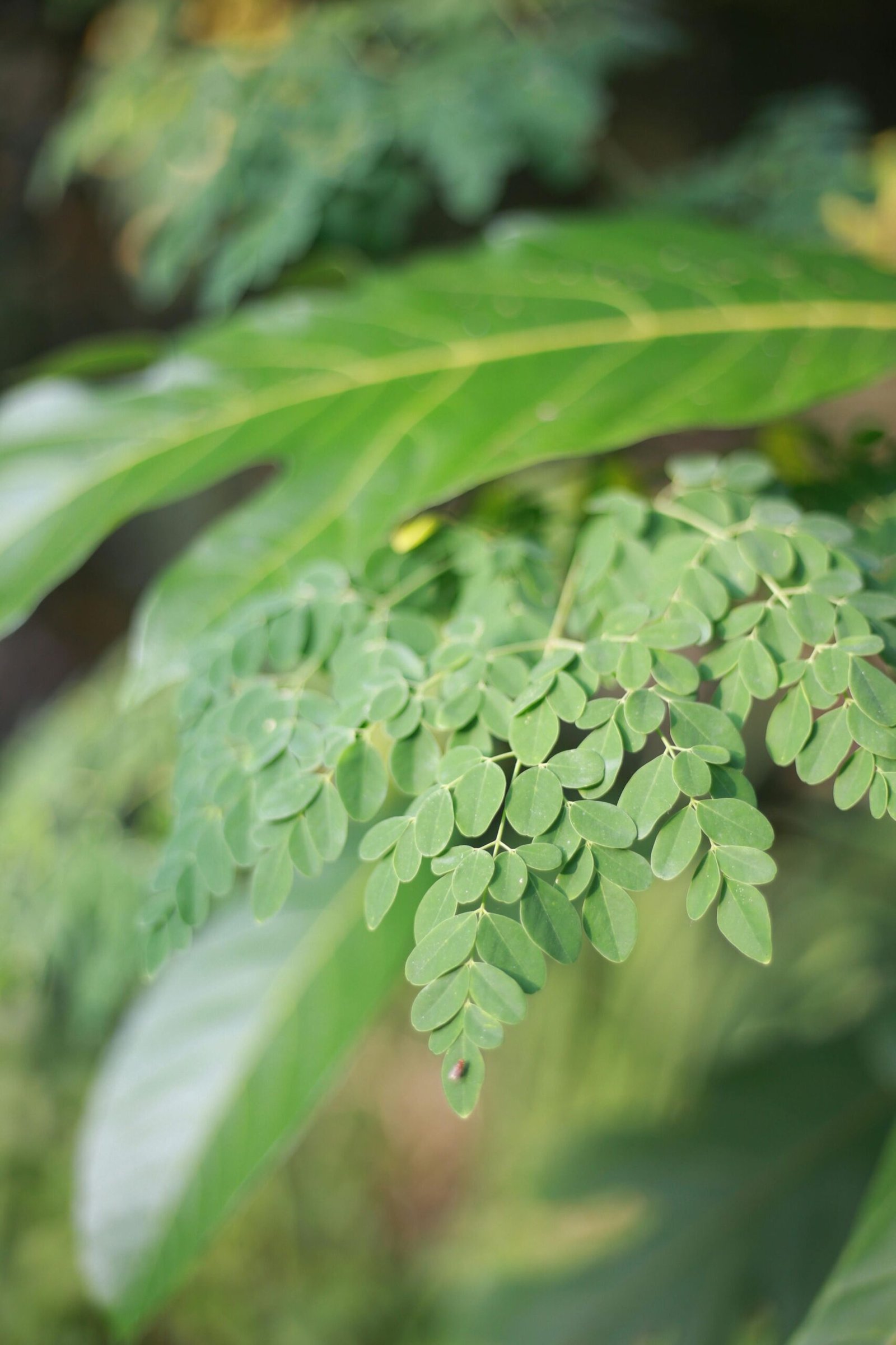
As you explore this trending health marvel, you’ll find that Moringa leaves are incredibly nutrient-dense. They are packed with vitamins, minerals, and essential amino acids that may contribute to better overall health.
Understanding how to incorporate Moringa into your meals can bring you one step closer to enjoying these health benefits.

Join the many who are embracing Moringa not just for its health advantages but also for its versatility in cooking and supplementation. Whether you’re a seasoned health enthusiast or just starting your journey, learning about this trendy plant can inspire you to make positive changes in your diet.
Discovering Moringa
Moringa, often referred to as the “Miracle Tree,” has gained significant attention for its numerous health benefits and nutritional profile. Understanding its origins and the various species will enhance your appreciation for this incredible plant.
Origins and History
Moringa oleifera is native to the Indian subcontinent but has spread across Asia, Africa, and parts of South America. Its use dates back thousands of years, where ancient civilizations recognized its medicinal properties.
Historically, Moringa has been employed in traditional medicine to treat ailments such as inflammation, infections, and digestive issues. The leaves, pods, and seeds were valued for their nutritional content.
Today, Moringa is cultivated in many tropical and subtropical regions. You may find it thriving in home gardens and commercial farms alike, reflecting its importance across cultures.
Moringa Species Overview
While Moringa oleifera is the most well-known species, there are several other Moringa varieties, including Moringa stenopetala, Moringa drouhardii, and Moringa pterygosperma.
- Moringa stenopetala: Found mainly in East Africa, it’s notable for its rich nutritional content and is consumed by local populations.
- Moringa drouhardii: Native to Madagascar, it is more closely related to ornamental uses than culinary.
Each species has its unique characteristics, but Moringa oleifera stands out due to its extensive use in health supplements and cuisines, supporting its reputation as a premier source of vitamins and antioxidants.
Nutritional Profile
Moringa is a nutrient powerhouse offering a range of vitamins, minerals, and antioxidants. Its profile supports overall health and wellness, making it popular in various diets. Let’s look closer at its essential components.
Vitamins and Minerals
Moringa is rich in essential vitamins and minerals. Here are some key highlights:
- Vitamin A: Important for vision and immune function. Moringa leaves provide around 6 times the amount found in carrots.
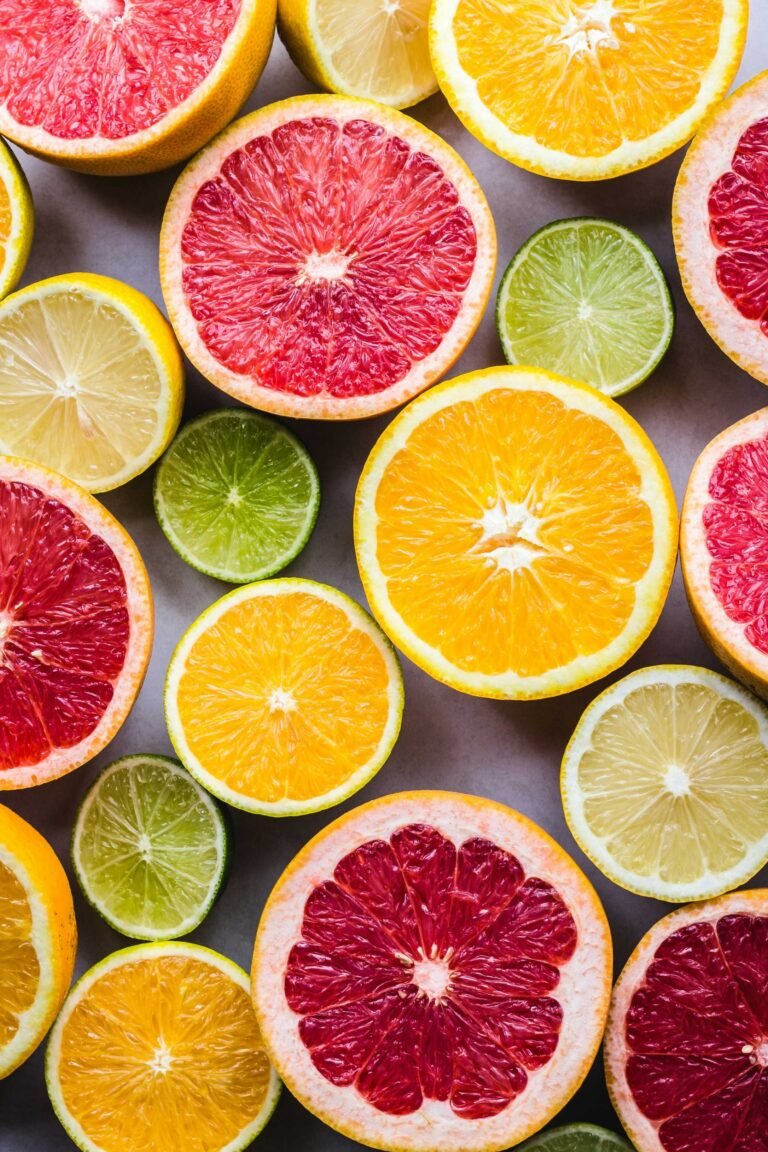
- Vitamin C: Supports your immune system and skin health, with Moringa containing seven times more than oranges.
- Calcium: Crucial for bone health, Moringa offers four times the calcium of milk.
- Iron: Important for oxygen transport in the body, it has three times the iron of spinach.
Additionally, Moringa contains potassium, magnesium, and significant amounts of B vitamins. This mix enhances energy levels and supports various bodily functions.
Antioxidant Content
Moringa is loaded with antioxidants that help combat oxidative stress. Notable antioxidants in Moringa include:
- Quercetin: This flavonoid may lower blood pressure and support heart health.
- Chlorogenic Acid: Known to regulate blood sugar levels and provide anti-inflammatory benefits.
- Beta-Carotene: Converts to vitamin A in your body, promoting eye health.
These antioxidants play a vital role in reducing the risk of chronic diseases. Incorporating Moringa into your diet can boost your body’s ability to fight free radicals, promoting overall health.
Health Benefits
Moringa is gaining attention for its wide range of health benefits, which can enhance your overall well-being. This plant is packed with essential nutrients and bioactive compounds that support various bodily functions.
Supporting Immune Health
Moringa is known to strengthen your immune system. It is rich in vitamins A, C, and E, which play a crucial role in immune defense. These vitamins work as antioxidants, helping to neutralize harmful free radicals in your body.
Additionally, the antimicrobial properties of moringa help combat bacteria and viruses, further boosting your immunity. Regular consumption may help reduce the frequency of infections, making it a great choice for those looking to maintain their health.
Aiding Digestion
If you struggle with digestive issues, moringa could be beneficial. The leaves are a good source of dietary fiber, which aids in regular bowel movements. This can help prevent constipation and promote a healthy gut.
Moringa also contains compounds that may enhance gut health by balancing gut bacteria. A healthy digestive system can improve nutrient absorption, which is vital for overall health. Including moringa in your diet can support a smooth digestive process, making you feel more comfortable.
Energy and Metabolism
Feeling tired or sluggish? Moringa may help boost your energy levels. It is packed with essential nutrients like vitamins B1, B2, and B6, which play key roles in energy production.
These vitamins assist your body in converting food into energy efficiently. Moringa also contains iron, which is important for transporting oxygen in your blood. By including moringa in your diet, you might experience increased energy and improved metabolic function, helping you feel more active throughout the day.
Anti-Inflammatory Effects
Chronic inflammation can lead to various health issues, and moringa has properties that may help reduce this. The plant’s antioxidants, particularly quercetin and chlorogenic acid, are known for their strong anti-inflammatory effects.
These compounds work to lower inflammation levels in your body, potentially alleviating pain and discomfort. Regular intake of moringa can be a natural way to help manage inflammation-related conditions, improving your quality of life and overall health.
Incorporating Moringa into Your Diet
Moringa is versatile and can easily be included in various meals and products. You can enjoy its benefits through different recipes or by choosing supplements.
Recipes and Preparation
Incorporating moringa into your meals can be simple and delicious. Here are some easy ideas:
Moringa Smoothies: Blend a teaspoon of moringa powder with your favorite fruits, yogurt, and a splash of almond milk. This makes a nutritious breakfast or snack.
Soups and Stews: Add moringa leaves to soups or stews during the last few minutes of cooking. The leaves maintain their nutrients while enhancing flavor.
Salads: Sprinkle moringa powder on salads or mix fresh leaves into your greens for an nutrient boost.
Experiment with different dishes, and find what you enjoy most. Moringa’s earthy flavor complements many ingredients.
Supplements and Products
Moringa is widely available in supplement form, making it convenient to incorporate into your routine. You can find:
Moringa Capsules: Easy to swallow and perfect for on-the-go. Follow the recommended dosage on the packaging.
Moringa Powder: Use in smoothies, baked goods, or simply mix it with water.
Moringa Tea: Brew dried leaves in hot water for a calming drink that offers health benefits.
When choosing supplements, ensure they are from reputable brands. Look for third-party testing to guarantee quality and potency.
Sustainable Farming and Ethical Sourcing
When you choose moringa, you’re not just opting for a health boost; you’re supporting sustainable farming practices.
Moringa is often grown in regions where traditional agricultural methods can help restore degraded land.
By opting for ethically sourced moringa, you promote environmental sustainability. Many farmers use organic methods, reducing the need for harmful pesticides and fertilizers.
Here are a few key benefits of sustainable moringa farming:
- Soil Health: Moringa trees help improve soil fertility, which benefits the ecosystem.
- Biodiversity: Cultivating moringa can encourage the growth of diverse plant species, supporting local wildlife.
- Water Conservation: Moringa requires less water than many other crops, making it an excellent choice in arid regions.
Purchasing products from brands that prioritize ethical sourcing ensures that farmers receive fair compensation. Look for certifications that indicate organic or fair-trade practices.
Supporting these initiatives not only benefits the planet but also fosters strong communities.
When you choose responsibly sourced moringa, you contribute to a sustainable cycle that benefits everyone involved.
Your choice matters, so make it count toward a healthier planet!