How to Take Care of Your Emotional Health: Simple Tips for a Happier You
Taking care of your emotional health is vital for your overall well-being. Incorporating simple daily practices can significantly enhance your emotional health. For example, regular…
Taking care of your emotional health is vital for your overall well-being.
Incorporating simple daily practices can significantly enhance your emotional health. For example, regular exercise, healthy eating, and stress management techniques can make a big difference.
It’s about finding what works for you and making small adjustments that can make a big difference.
Understanding your emotions and learning how to cope with stress are key components of emotional well-being. By actively managing difficult feelings and discovering positive outlets, you can foster a more resilient mindset.
Engaging in activities that bring you joy, such as spending time with loved ones or practicing mindfulness, is equally important.
This journey is personal and unique to you. As you explore different strategies to boost your emotional health, remember that it’s okay to seek help when needed. Your mental well-being deserves attention and care, just like your physical health.
Understanding Emotional Health
Emotional health is a vital aspect of overall well-being. It influences how you think, feel, and act in various situations. Understanding its components can empower you to support your emotional well-being effectively.
Defining Emotional Well-Being
Emotional well-being encompasses your ability to manage emotions and cope with life’s challenges. It includes being aware of your feelings and expressing them appropriately.
Healthy emotional functioning allows you to experience joy, love, and a sense of purpose. On the flip side, it also means being able to handle sadness, anger, or anxiety constructively.
Maintaining emotional well-being requires continuous self-awareness and self-care practices. Engaging in activities such as mindfulness or journaling can enhance your emotional resilience and clarity.
The Importance of Emotional Health
Your emotional health significantly impacts various life aspects, including relationships, work, and physical health. When you nurture your emotional well-being, you foster stronger connections and enhance your capacity to resolve conflicts.
Moreover, good emotional health contributes to improved physical health. Stress management techniques, such as regular exercise and relaxation practices, can lower physical symptoms associated with emotional distress.
Prioritizing your emotional health can lead to more fulfilling experiences, increased productivity, and better decision-making. You gain tools to navigate life’s ups and downs while staying grounded.
Recognizing Emotional Distress
Identifying emotional distress is crucial for taking timely action. Signs may include persistent sadness, anxiety, withdrawal from activities, or changes in sleeping and eating patterns.
Self-reflection is key—think about how you feel in different situations. Journaling your thoughts can help you recognize patterns and triggers.
If you notice signs of distress, seeking support is vital. This may involve reaching out to friends, family, or mental health professionals. Addressing emotional challenges early can facilitate recovery and promote long-term well-being.
Being proactive in identifying and managing your emotional health contributes to a more balanced and fulfilling life.
Self-Care Strategies
Taking care of your emotional health requires intentional actions that nurture your well-being. Incorporating mindfulness, journaling, and physical activity into your routine can significantly enhance your emotional resilience and overall happiness.
Mindfulness and Meditation
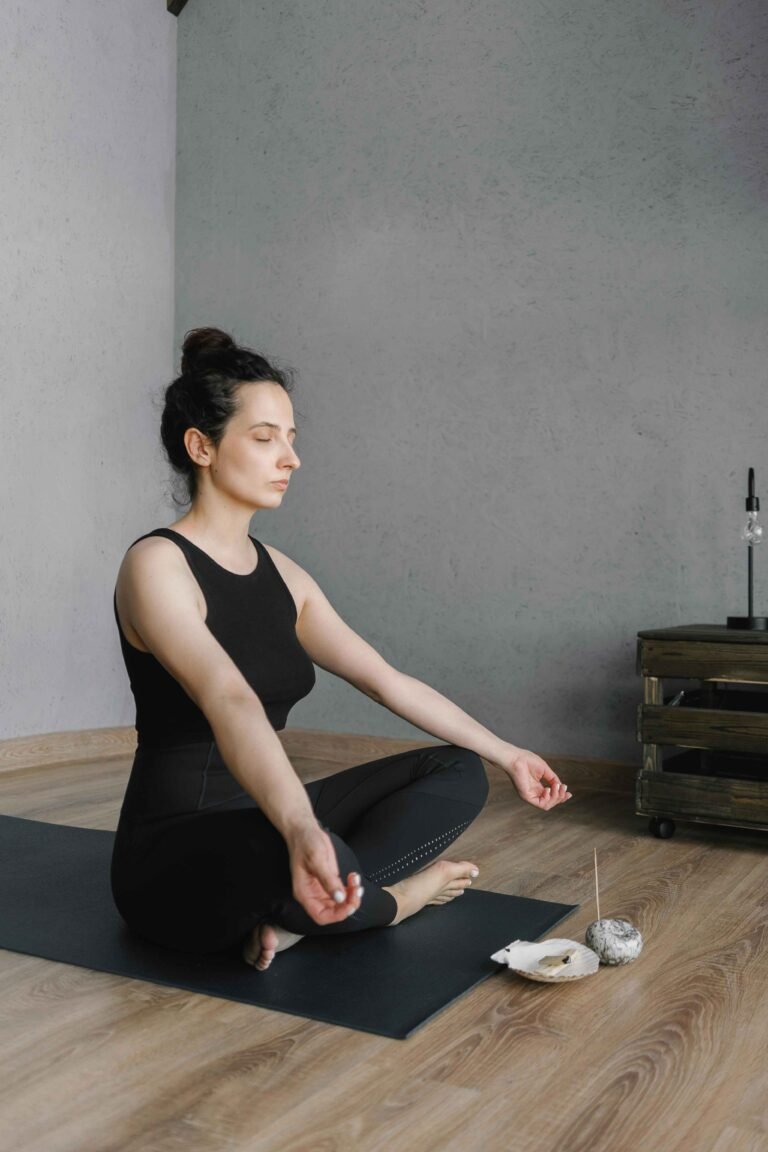
Practicing mindfulness allows you to focus on the present moment without judgment. You can start with just a few minutes each day, gradually increasing your time as you grow more comfortable.
Consider using guided meditations available through various apps or online platforms. Techniques such as deep breathing can also be effective. They help you anchor your thoughts and reduce anxiety.
Incorporating mindfulness into daily activities can make a difference. Whether it’s savoring a meal or taking a mindful walk, these moments can increase your awareness and appreciation of life.
Journaling for Emotional Expression
Journaling is a powerful tool for emotional expression. It helps you process your thoughts and feelings more effectively. Take a few minutes daily to write about your experiences and emotions.
You might want to try prompts like, “What am I grateful for today?” or “What challenges did I face and how did I cope?” This practice can clarify your thoughts and reduce emotional burdens.
Another option is to explore creative writing. Writing poetry or stories can channel your feelings in unique ways. Experiment with different styles to discover what resonates with you.
The Role of Physical Activity
Physical activity plays a crucial role in emotional health. Engaging in regular exercise produces endorphins, which are natural mood lifters. Aim for at least 30 minutes of moderate activity most days of the week.
You can choose activities you enjoy, such as walking, dancing, or yoga. Even short bursts of exercise throughout the day count.
Consider setting specific goals for motivation. Tracking your progress can also keep you accountable while providing a sense of achievement. Combining physical activity with friends or family can enhance social connections, boosting your emotional well-being further.
Building Strong Relationships
Building strong relationships is essential for nurturing your emotional health. Effective communication, setting clear boundaries, and both seeking and providing support form the foundation of healthy connections.
Communication Skills
Good communication is the cornerstone of any strong relationship. Start by actively listening to the other person. This means paying attention to their words, tone, and non-verbal cues.
Make it a habit to express your thoughts and feelings openly. Use “I” statements to convey your perspective without sounding accusatory. For example, say, “I feel upset when plans change last minute,” rather than, “You always change plans.”
Ask open-ended questions to encourage deeper conversations. This fosters understanding and strengthens your bond. Remember, effective communication is a two-way street; both parties should feel heard and valued.
Setting Boundaries
Establishing clear boundaries is vital for maintaining healthy relationships. Begin by determining what is acceptable to you and what isn’t. Communicate these boundaries calmly and clearly.
For example, if you need time alone to recharge, express this to your partner or friends. Use phrases like, “I need some time to myself this weekend,” rather than leaving them guessing.
Respecting others’ boundaries is equally important. Understand that everyone has different comfort levels, and be mindful of their needs. Healthy boundaries contribute to mutual respect and reduce feelings of resentment.
Seeking and Giving Support
Healthy relationships thrive on mutual support. When faced with challenges, don’t hesitate to seek help from friends or loved ones. This can include emotional support, tangible assistance, or simply a listening ear.
Equally, be proactive in offering support to others. Check in on friends and family during tough times, and offer help when you can. Phrases like, “I’m here for you,” can make a significant difference.
Creating a network of support not only strengthens your relationships but also enhances your emotional well-being. It’s a two-way street that fosters trust and connection.
Managing Stress
Managing stress effectively is essential for your emotional well-being. Utilizing specific techniques and understanding your stressors can help you maintain balance and improve your quality of life.
Stress-Relief Techniques
One of the best ways to manage stress is by incorporating stress-relief techniques into your daily routine. Mindfulness and meditation can help you center your thoughts and promote relaxation. Try spending just a few minutes each day focusing on your breath or using a guided meditation app.
Physical activity is another effective stress-buster. Regular exercise releases endorphins, which improve your mood and reduce anxiety. Aim for at least 30 minutes of moderate exercise, like brisk walking or yoga, several times a week.
Deep breathing exercises can also lower stress levels. Sit in a comfortable position, close your eyes, and inhale deeply through your nose, letting your abdomen expand. Hold the breath for a few seconds, then exhale slowly through your mouth. Repeat this several times to feel more relaxed.
Time Management Tips
Effective time management can significantly reduce stress. Start by creating a list of tasks for the day. Prioritize them by urgency and importance. This will help you focus on what matters most.
Set realistic deadlines for each task, allowing some flexibility for unexpected interruptions. Use tools like calendars or productivity apps to keep track of your schedule.
Break larger projects into smaller, manageable steps. This approach prevents feelings of being overwhelmed and helps you celebrate small victories along the way.
Remember to schedule breaks throughout your day. Short, frequent breaks allow your mind to reset, ultimately improving your focus and efficiency.
Identifying Stress Triggers
Recognizing your stress triggers is vital for managing stress. Start by keeping a journal to note when you feel stressed and what may have caused it. This practice can help you identify patterns.
Common triggers can include work deadlines, personal relationships, or financial pressures. Once you know what triggers your stress, you can develop strategies to cope with or avoid these situations.
Consider discussing stressors with a trusted friend or professional. Sometimes an outside perspective can shed light on problems you may not see clearly. Remember, identifying your triggers is the first step toward effective management.
Seeking Professional Help
Recognizing when you need professional assistance is an important step in caring for your emotional health. Different types of therapies and treatments are available, and finding the right professional can make a significant difference in your journey toward wellness.
When to Seek Counseling
It’s essential to consider counseling if you’re experiencing prolonged feelings of sadness, anxiety, or hopelessness. If everyday activities feel overwhelming or you’re facing major life changes, a mental health professional can help.
You might also want to seek help if you’re using substances to cope, have had thoughts of self-harm, or struggle with relationships. Early intervention can prevent issues from escalating. Don’t hesitate to reach out; taking this step shows strength and commitment to your well-being.
Types of Therapies and Treatments
There are several effective therapies tailored to individual needs. Cognitive Behavioral Therapy (CBT) focuses on identifying and changing negative thought patterns. This approach can significantly improve mood and behavior.
Another option is Dialectical Behavior Therapy (DBT), which helps manage intense emotions and improve interpersonal skills. It is particularly beneficial for those dealing with emotions like anger or sadness.
Medication is also a possibility. Antidepressants or anti-anxiety drugs can complement therapy for some individuals. Always consult with a healthcare provider to find the most suitable option for your unique situation.
Finding the Right Professional
Finding a qualified provider is crucial to your progress. Start by asking your primary care provider for recommendations. They can help you identify specialists who align with your needs.
Consider checking online directories. You can filter by specialties and read reviews. Don’t hesitate to reach out for interviews with potential therapists to inquire about their approaches.
Make sure you feel comfortable with your chosen professional. A good rapport can foster open communication and enhance your therapy experience. Remember, it may take time to find the right fit, so be patient with yourself during the process.