Ground Yourself with These Simple Exercises for Everyday Calm
Feeling overwhelmed or anxious? Grounding yourself can help bring you back to the present moment with just a few simple exercises. Incorporating grounding techniques into…
Feeling overwhelmed or anxious? Grounding yourself can help bring you back to the present moment with just a few simple exercises. Incorporating grounding techniques into your daily routine can help you manage stress and regain a sense of calm.
These exercises are not only easy to learn but can be done anywhere, whether at home, at work, or even while out and about.
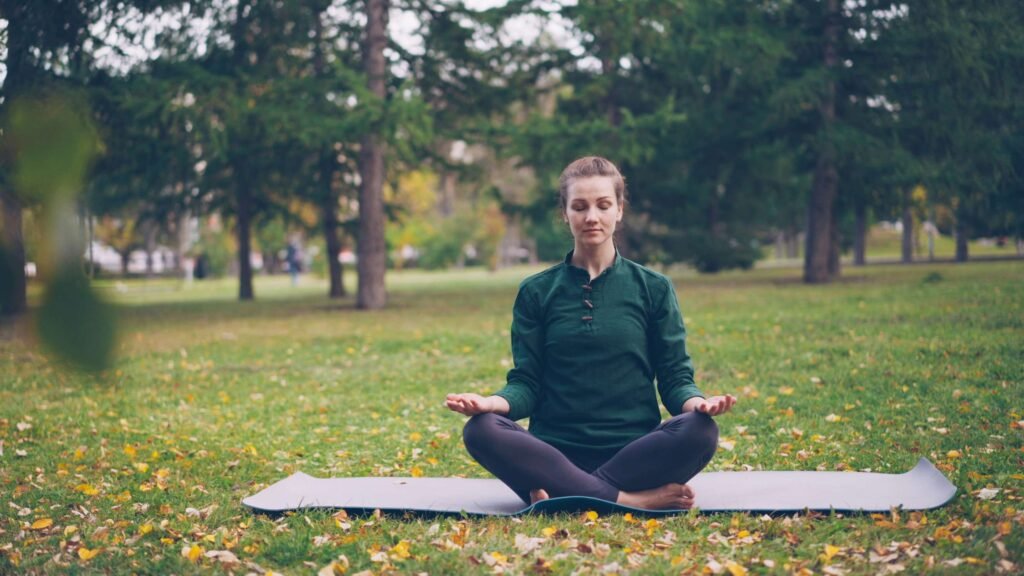
From deep breathing strategies like the 4-7-8 technique to physical activities like pressing your feet into the ground, each method provides a unique way to connect with your surroundings and maintain your composure.
Take a moment to explore these practical grounding techniques that will help you feel centered and in control. You may find that a few minutes of mindfulness can transform your day and improve your overall well-being.
Understanding Grounding
Grounding techniques help you reconnect with the present moment. These exercises serve various purposes, from reducing anxiety to enhancing emotional regulation. Exploring the principles and benefits of grounding can empower you to incorporate these practices into your daily life.
The Concept of Grounding
Grounding is about establishing a sense of safety and stability in your environment. It allows you to shift your focus away from distressing thoughts or emotions, anchoring you to the present.
Techniques often involve engaging your senses, such as feeling the surface beneath your feet or taking deep breaths.
Common methods include focusing on your breath, observing your surroundings, or using tactile objects. Each technique aims to create a bridge from overwhelming feelings to a calmer mindset. By practicing these strategies, you can train your brain to respond more effectively to stressors.
Benefits of Grounding
The advantages of grounding are numerous and impactful. Engaging in grounding exercises can help reduce anxiety levels, foster a sense of control, and improve emotional regulation.
- Reduces Stress: Grounding techniques can lower cortisol levels, which helps minimize feelings of stress.
- Enhances Focus: Redirecting your attention allows you to concentrate better on tasks and activities.
Implementing grounding exercises into your routine encourages mindfulness. You may notice a boost in your overall mood, allowing for a more balanced perspective during challenging situations. Grounding is a powerful tool for promoting emotional well-being.
Preparation for Grounding Exercises
Preparing for grounding exercises is an important step to ensure you make the most of the experience. By creating the right environment and allocating sufficient time, you can engage more effectively in the practice.
Choosing a Quiet Space
Finding a quiet space is crucial for successful grounding exercises. Look for an area where you feel safe and comfortable, free from distractions. This could be a cozy corner of your home, a quiet park, or even a calm room in your office.
Consider the following tips for selecting your space:
- Minimize noise: Choose a spot that is naturally quiet. If external noise is unavoidable, use headphones or play soft background music.
- Comfortable environment: Ensure the temperature is pleasant and that you have comfortable seating. Cushions or a soft chair can enhance your comfort.
- Personal touches: Surround yourself with calming items. This might include plants, candles, or items that bring you joy.
Setting Aside Time
Setting aside dedicated time for grounding exercises is essential. Choose a block of time when you can fully focus without interruptions.
Here are some suggestions to optimize your time:
- Consistency: Aim to practice at the same time each day. This helps establish a routine, making grounding a natural part of your day.
- Length of time: Start with 5-10 minutes. As you become more comfortable, gradually increase to 20-30 minutes.
- Turn off distractions: Before beginning, silence your phone and avoid multitasking. This allows you to concentrate fully on your experience.
By preparing thoughtfully, you create a supportive atmosphere for grounding exercises, enhancing their effectiveness.
Breathing Techniques
Breathing techniques can play a significant role in helping you calm your mind and body. By focusing on your breath, you can create a sense of relaxation and presence that enhances grounding.
Deep Breathing
Deep breathing is one of the simplest yet most effective techniques you can adopt. It involves taking slow, deep breaths that fill your lungs completely.
Find a Comfortable Position: Sit or lie down in a quiet space. Close your eyes if it helps you focus.
Inhale Slowly: Take a deep breath in through your nose, allowing your belly to expand as you fill your lungs.
Exhale Fully: Breathe out slowly through your mouth, feeling your belly contract.
Repeat this process for a few minutes. Aim for a count of four on the inhale and six on the exhale. This method activates your parasympathetic nervous system, promoting relaxation.
Rhythmic Breathing
Rhythmic breathing focuses on establishing a steady breathing pattern, helping to stabilize emotions and reduce anxiety.
Establish a Rhythm: Begin by inhaling for a count of four, then exhaling for a count of four.
Consistency: Maintain this rhythm over several cycles. You might increase the count to six or eight as you become more comfortable.
Focus on Your Breath: Pay attention to how your breath feels going in and out.
This technique anchors you to the present moment and helps manage overwhelming feelings. By practicing rhythmic breathing, you can create a calming effect throughout your day.
Physical Grounding Exercises
Engaging in physical grounding exercises can help anchor you in the present moment. These activities connect you to your body and the environment around you, creating a sense of stability and calm.
Barefoot Walking
Walking barefoot on natural surfaces can be incredibly grounding. Feel the texture of grass, sand, or soil beneath your feet as you walk outside.
- Choose Your Spot: Find a safe outdoor area, like a park or beach.
- Take Off Your Shoes: Remove your footwear to allow direct contact with the earth.
- Focus on Sensations: As you walk, concentrate on how the ground feels underfoot. Note the temperature, texture, and sensations.
- Breathe Deeply: With each step, take a deep breath in and out, synchronizing your breath with your movements.
Barefoot walking not only connects you with your surroundings but also promotes mindfulness, reducing stress and anxiety.
Body Scan Meditation
Body scan meditation helps you develop awareness of physical sensations. This practice encourages relaxation and can be done while lying down or sitting comfortably.
- Get Comfortable: Sit or lie down in a quiet space.
- Close Your Eyes: Turn your attention inward by closing your eyes.
- Focus on Your Body: Start at the top of your head and slowly move down. Notice any areas of tension or discomfort.
- Release Tension: As you identify tension, breathe into that area and consciously relax it. Move through each part of your body until you reach your toes.
This meditation technique promotes relaxation and helps keep you connected to your physical self.
Mindfulness and Visualization
Mindfulness and visualization techniques can effectively ground you in the present moment. By practicing these methods, you can enhance your awareness and reduce anxiety.
Mindful Observation
Mindful observation encourages you to fully engage with your environment. Start by finding a comfortable spot where you can sit quietly. Close your eyes and take a few deep breaths to center yourself.
Next, open your eyes and focus on a specific object. This could be a plant, a piece of art, or any item nearby. Notice its color, texture, and shape. Pay attention to the details without judgment.
Allow your thoughts to drift away as you immerse yourself in this observation. If your mind wanders, gently bring it back to the object. This practice helps you stay present and can foster a sense of calm.
Guided Visualization
Guided visualization is a powerful technique for grounding. This method involves using your imagination to create a peaceful scene in your mind.
Begin by finding a quiet space where you won’t be disturbed.
Close your eyes and take several deep breaths.
Picture a serene location, such as a beach or a forest. Imagine all the sounds, scents, and sensations associated with this place.
As you visualize, focus on your breathing. Feel the calm wash over you.
This technique not only helps you relax but also boosts your mental clarity.
Use guided visualization whenever you need a moment of peace or grounding in your day.