Mindful Living: How to Slow Down and Enjoy Life More
Life can feel overwhelming with work, family, screens, and daily tasks all competing for your attention. This is why mindful living matters so much today….
Life can feel overwhelming with work, family, screens, and daily tasks all competing for your attention. This is why mindful living matters so much today.
According to the American Psychological Association (APA), chronic stress remains one of the most common health concerns among adults (https://www.apa.org/topics/stress). Long-term stress increases the risk of anxiety, sleep problems, and heart disease.

Mindful living is a simple way to help. It encourages you to slow down, notice what is happening, and really experience each moment. You do not need special tools or lots of free time—just a bit of awareness.
What Is Mindful Living?
Mindful living is about paying attention to what is happening right now, with an open mind and without judging yourself. It means noticing your thoughts, feelings, and what is around you, instead of just going through the motions.
A lot of people believe mindful living means long meditation sessions. In fact, it can be as simple as paying attention while you breathe, walk, listen, or eat.
Simply put, mindful living is about being present in your life instead of hurrying through it.
How Mindful Living Helps Your Mental and Physical Health
Research shows that mindful living has real benefits. For example, a study in JAMA Internal Medicine found that mindfulness meditation programs can help lower anxiety, depression, and stress (https://jamanetwork.com/journals/jamainternalmedicine/fullarticle/1809754).
Ease Anxiety
When you practice mindful living, you interrupt cycles of overthinking. You observe thoughts without reacting to them. This awareness reduces emotional intensity.
Improve Sleep
Stress keeps your body on high alert. Mindful living helps you relax before bed, making it easier to fall into a deeper sleep.
Support Pain and Illness
The mind and body connect closely. Studies show mindfulness may help manage chronic pain by reducing stress responses.
Increase Happiness
Gratitude and present-moment awareness increase life satisfaction. Mindful living strengthens emotional resilience and improves relationships.
Beneficial Mindful Living Practices for Everyday Life
You can start practicing mindful living today by adding a few small habits to your routine.
1. Mindful Breathing
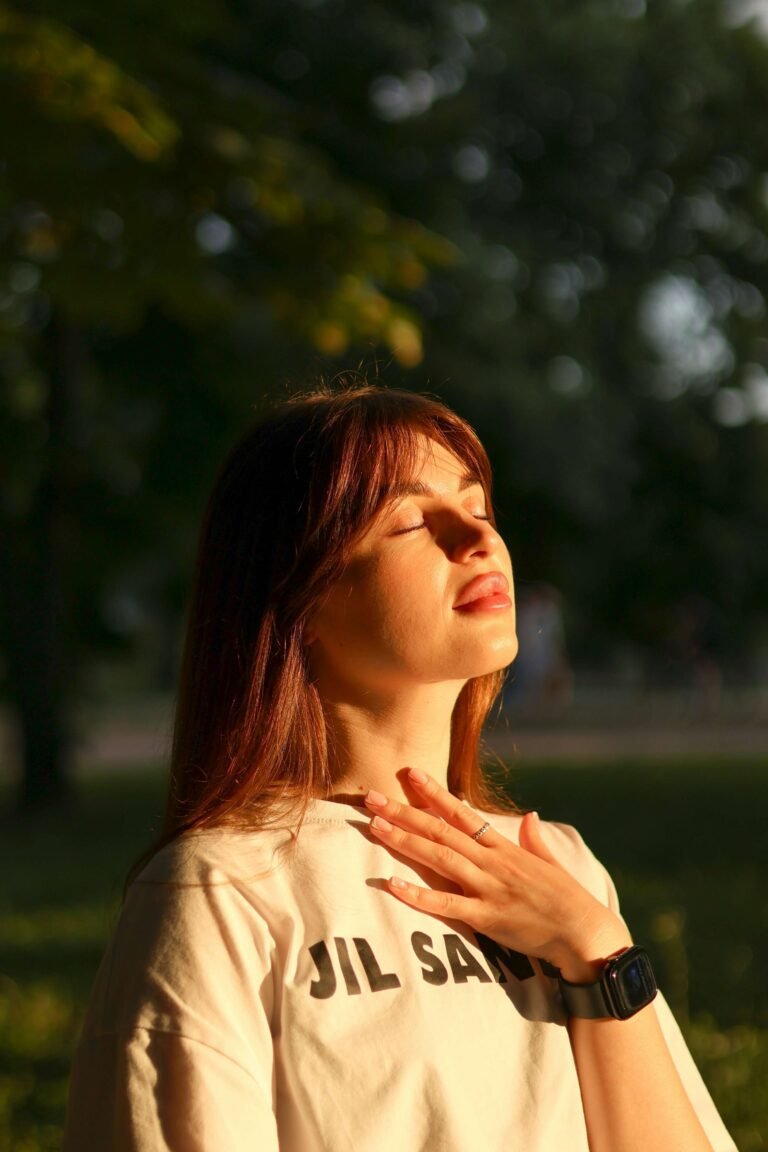
Pause for three minutes. Inhale slowly. Exhale gently. Focus only on your breath.
Mindful breathing helps you focus. It is one of the easiest ways to practice mindful living, even on your busiest days.
TEDx Talks provides helpful resources here:
2. Walking Meditation
You can make any walk a mindful experience. Pay attention to how your feet feel on the ground and notice the sounds and colors around you.
Walking meditation helps you stay aware while you move.
3. Mindful Eating
Eat one meal each day without screens. Taste each bite. Notice texture and aroma.
Mindful living transforms eating into nourishment rather than a distraction.
4. Quiet Time Each Day
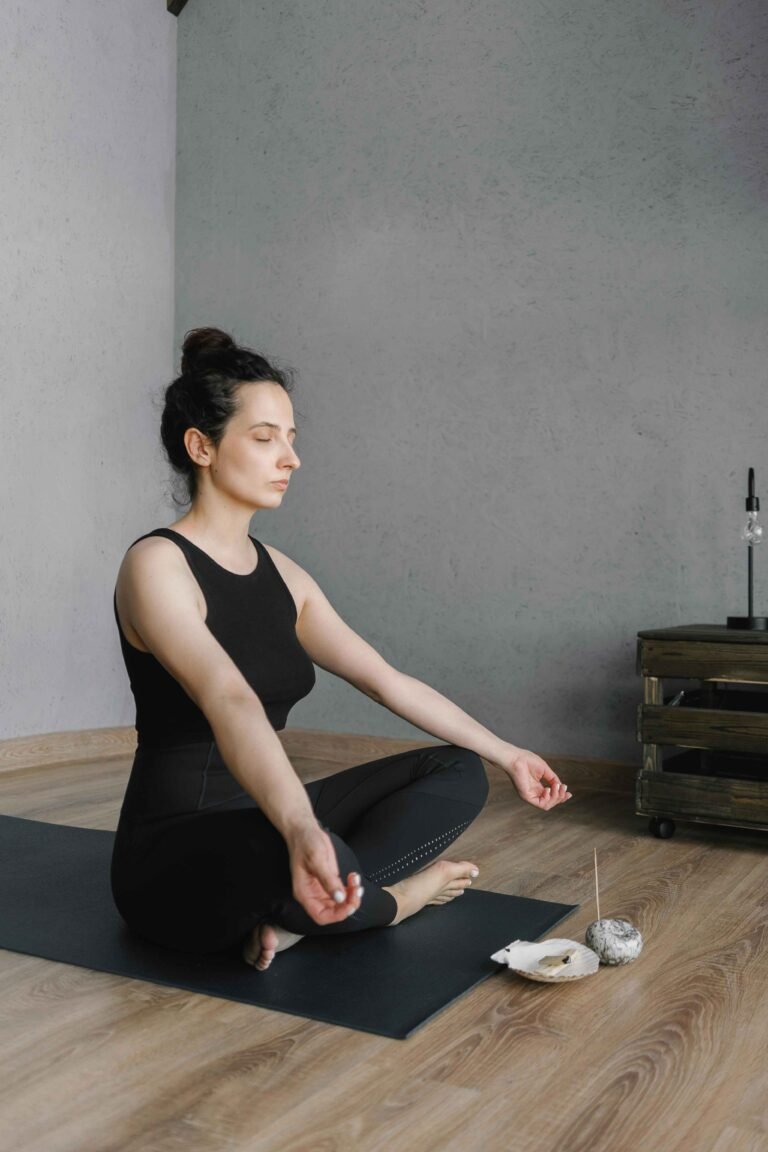
Take five minutes to sit quietly. You might enjoy a cup of tea or write down your thoughts.
This simple habit helps you make mindful living a regular part of your day.
5. Connect with People Fully
When someone is talking to you, listen without interrupting. Look them in the eye and set your phone aside.
Being present and paying attention helps you build stronger relationships.
6. Practice Gratitude
Each day, write down three things you are grateful for. Focusing on gratitude helps you notice what you have, not what you are missing.
Gratitude journaling remains a powerful part of mindful living.
7. Use Technology Mindfully
Technology can easily pull your attention away. Try setting aside certain hours at home without any screens.
Setting limits on technology helps you keep up your mindful living habits.
Mindful Living in Relationships
Relationships grow stronger when you are truly present. Mindful living helps you respond with care instead of reacting quickly.
If you find yourself in a conflict, take a moment before you speak. Notice how you feel and try to communicate calmly.
Practicing mindful living with others can help prevent misunderstandings and create a sense of emotional safety.
Mindful Living at Home
The way your home feels can affect your mood. Too much clutter can make you feel stressed, while simple routines can help you feel calm.
Create evening rituals such as dim lighting, soft music, or shared family gratitude moments.
You do not have to be perfect to practice mindful living at home. What matters is your intention.
Common Challenges in Mindful Living
Many people struggle with restlessness. Thoughts wander. Schedules feel full.
Remember that mindful living is a practice, not perfection. Even short moments of awareness count.
If your mind drifts, gently return to the present. Over time, mindful living becomes natural.

Frequently Asked Questions
Is mindful living the same as meditation?
Meditation can help with mindful living, but mindful living is really about bringing awareness into your everyday habits.
How long does it take to see benefits?
Some people start to feel calmer in just a few days. Research shows that practicing mindfulness regularly for several weeks can lead to real improvements.
Can children practice mindful living?
Yes. Simple breathing exercises and gratitude practices help children develop emotional awareness.
Final Thoughts
Mindful living encourages you to slow down and really experience your life. It helps you think more clearly, feel more balanced, and build stronger relationships.
You do not have to make big changes. Start with small steps—take deep breaths, listen closely, and practice gratitude.
With regular practice, mindful living can become a natural part of your life, bringing more peace to your home and your heart.
References
- American Psychological Association. Stress in America.
https://www.apa.org/topics/stress - Goyal M et al. (2014). Meditation Programs for Psychological Stress. JAMA Internal Medicine.
https://jamanetwork.com/journals/jamainternalmedicine/fullarticle/1809754 - National Institute of Mental Health. Anxiety Disorders Statistics.
https://www.nimh.nih.gov/health/statistics/any-anxiety-disorder