Easy Breakfast Ideas for Kids: 30 Healthy School-Morning Meals
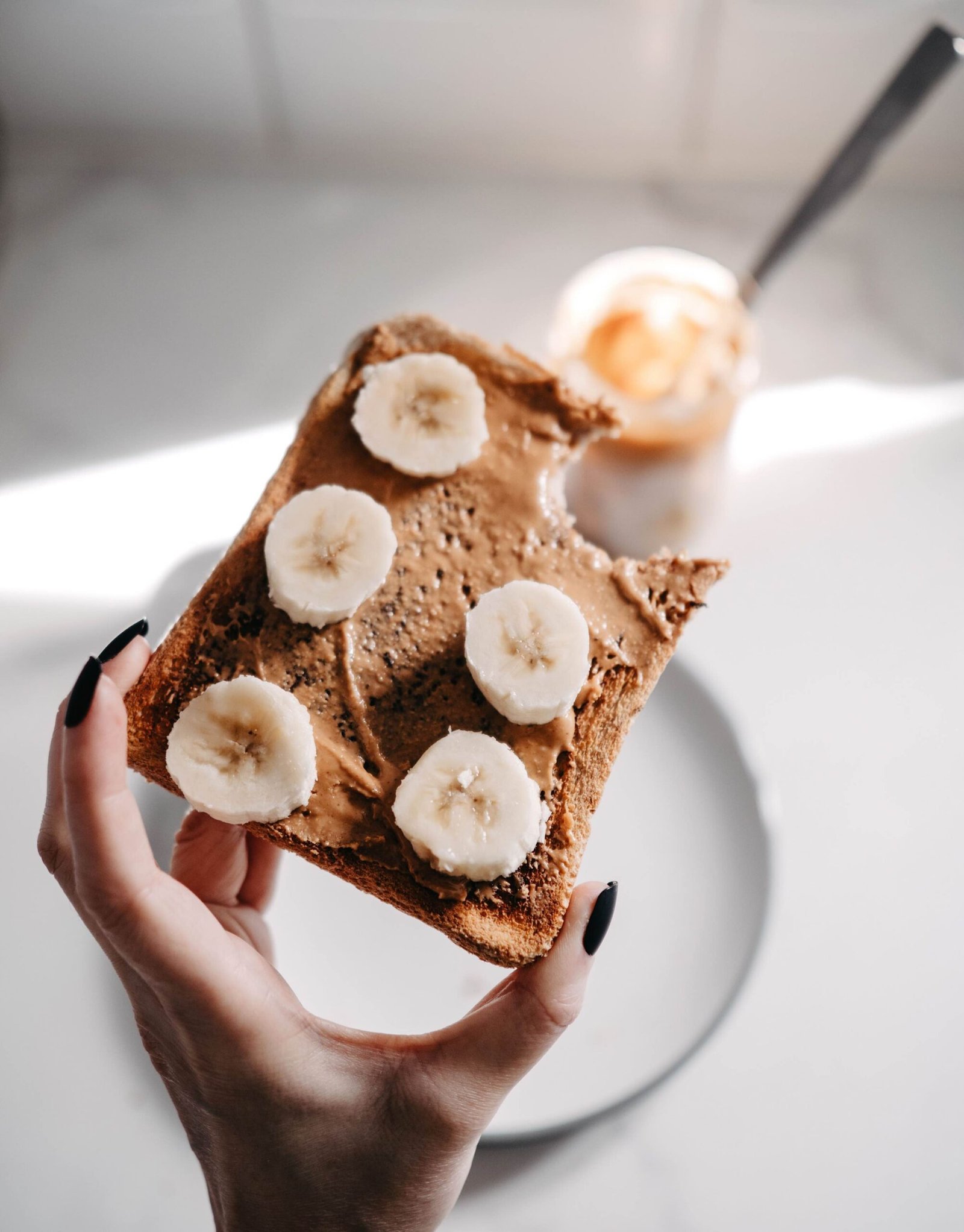
Some easy breakfast ideas for kids are yoghurt with oats and fruit, banana toast with milk, or a bean and cheese wrap. Meals that take…
Some easy breakfast ideas for kids are yoghurt with oats and fruit, banana toast with milk, or a bean and cheese wrap. Meals that take five minutes to put together are great for busy mornings. You can also prepare pancakes, baked oats, or egg muffins ahead of time and quickly finish them before school.
Sometimes, just as the bread goes in the toaster, someone decides they no longer want toast. It helps to have another option ready, like cereal and milk or yesterday’s plain yoghurt with a banana. Rotating a few simple breakfasts is much easier than making something new every day.
These meal ideas are for school-age children. Adjust the ingredients, portions, and textures to fit your child’s appetite, feeding skills, allergies, or any specific feeding plan. If your child needs help, make sure they have enough time to eat while sitting down and not feeling rushed.
What should be in a healthy breakfast for kids?
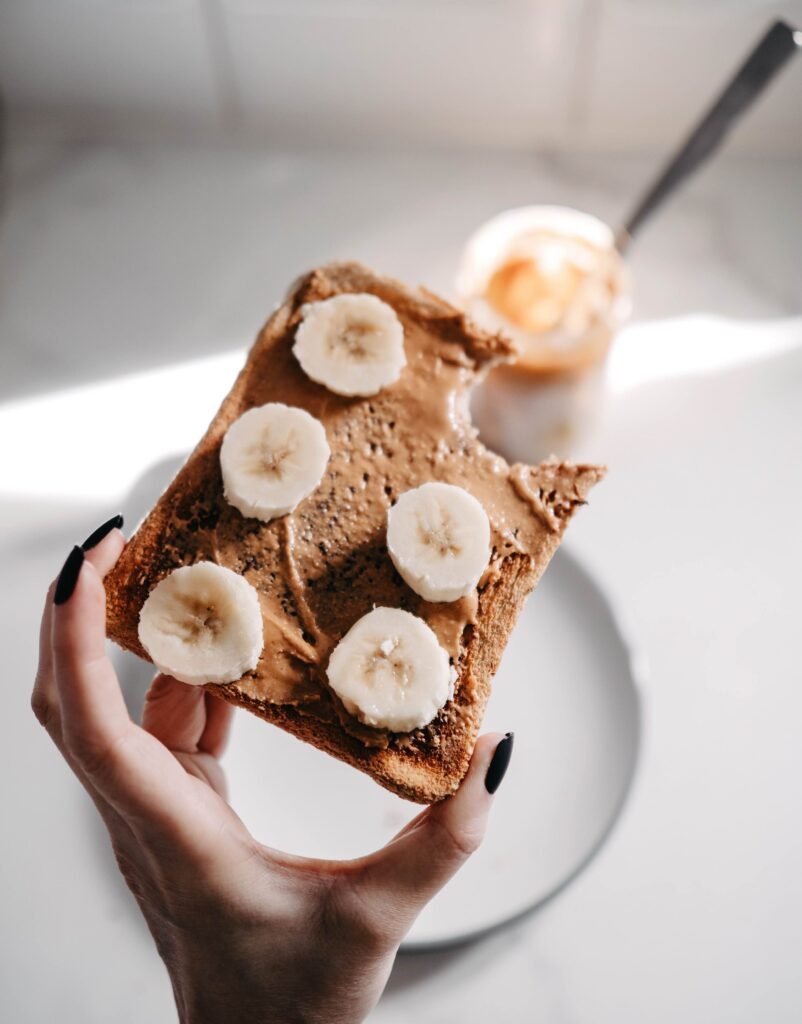
Try to include a mix of foods: a grain like oats or bread, a protein or dairy option, and some fruit or vegetables. Rice with beans and vegetables is just as good as cereal. Our healthy food for kids guide explains the food groups and how to mix them up.
The AAP suggests families try more than just traditional breakfasts and think about preparing ingredients ahead of time. They also recommend checking what’s offered at school breakfast. You can make a healthy breakfast using foods your family already enjoys.
Which breakfasts take about five minutes?
These times are estimates for adults to put meals together, not for cooking. They assume you have ready-to-eat ingredients, washed produce, and any pre-cooking done. Use pasteurised dairy and fully cooked eggs as needed. Adults should handle knives, toasters, and hot food.
| # | Breakfast combination | Morning preparation | Minutes |
| 1 | Banana toast and milk | Mash banana onto whole-grain toast | 3–5 |
| 2 | Yogurt, oats and pear | Stir quick oats into yogurt; add ripe diced pear | 3 |
| 3 | Cereal, milk and berries | Add ready-to-eat berries to whole-grain cereal | 2 |
| 4 | Peanut butter toast and fruit | Spread smooth peanut butter thinly; add sliced fruit | 3–5 |
| 5 | Cottage cheese, peaches and bread | Pair cottage cheese with chopped canned peaches | 3 |
| 6 | Avocado toast and yogurt | Mash avocado onto toast; serve yogurt alongside | 4–5 |
| 7 | Egg sandwich and tomato | Slice a chilled, fully cooked egg into bread | 4 |
| 8 | Hummus pita and cucumber | Spread hummus in pita; add grated cucumber | 3 |
| 9 | Ricotta toast and banana | Spread ricotta on toast; add banana slices | 4–5 |
| 10 | Cheese sandwich and orange | Add thin cheese slices to bread; peel orange | 4 |
| 11 | Yogurt bowl and toast | Spoon applesauce into yogurt; serve toast alongside | 4–5 |
| 12 | Bean spread sandwich and pear | Mash cooked canned beans onto bread | 4 |
| 13 | Sunflower butter toast and milk | Spread smooth seed butter thinly; add milk | 3–5 |
| 14 | Tofu avocado pita and fruit | Crumble ready-to-eat tofu into pita with avocado | 4 |
| 15 | Plain bagel, cream cheese and fruit | Spread a ready-to-eat bagel; add prepared fruit | 3 |
Always check labels for allergens like milk, egg, wheat, soya, peanuts, sesame, and seeds. Seed butter may not be safe for children with allergies. If you need a substitute, follow your child’s allergy plan.
Which breakfasts can you actually make in advance?
Pick a reliable recipe for cooked foods and follow its instructions. The ideas here are meal combinations, not full recipes. The morning times assume the food is already refrigerated or thawed. Reheating may take longer depending on how much food you have and the equipment you use.
| # | Breakfast combination | Prepare beforehand | Morning finish |
| 16 | Overnight oats and banana | Refrigerate oats mixed with milk or yogurt overnight | Stir; add banana |
| 17 | Pancakes, yogurt and fruit | Cook pancakes; cool and refrigerate or freeze | Reheat; add sides |
| 18 | Waffles, ricotta and peaches | Cook waffles; refrigerate or freeze portions | Reheat; top |
| 19 | Egg muffins, toast and fruit | Bake egg-and-vegetable muffins until fully cooked | Reheat; toast bread |
| 20 | Baked oats and yogurt | Bake an oat dish; portion and chill | Reheat; add yogurt |
| 21 | Bean-and-cheese breakfast wrap | Cook filling and assemble wraps; chill promptly | Reheat throughout |
| 22 | Vegetable frittata, bread and pear | Cook frittata thoroughly; portion and chill | Reheat; add sides |
| 23 | French toast and yogurt | Cook egg-coated bread fully; chill or freeze | Reheat; serve yogurt |
| 24 | Lentil rice bowl and vegetables | Cook lentils, rice and vegetables; cool promptly | Reheat throughout |
| 25 | Sweet potato, egg and toast | Cook potato and egg; refrigerate separately | Reheat potato; assemble |
| 26 | Porridge, milk and fruit | Cook oatmeal; portion and refrigerate | Reheat; adjust texture |
| 27 | Savory oat bowl with beans | Cook oats and beans; refrigerate promptly | Reheat; add vegetables |
| 28 | Homemade muffin, yogurt and pear | Bake muffins; freeze extra portions | Thaw as directed; assemble |
| 29 | Chicken-and-vegetable sandwich | Cook chicken; chill; prepare vegetables | Assemble cold with bread |
| 30 | Yogurt oat pot and toast | Refrigerate yogurt, oats and chopped peaches | Stir; toast bread |
Five minute versus make ahead: how do you choose?
Use the quick table if you have the ingredients but not much time to prepare. Choose make-ahead options when you can cook and clean up earlier. Oven-reheated meals need extra time, while cold overnight oats are much easier in the morning.
For example, make pancakes on Sunday and freeze the portions you’ll need for the week. Have yoghurt bowls on Monday, pancakes on Tuesday, and bean sandwiches on Wednesday. Repeat these meals on Thursday and Friday.
Our daily routine examples can help you set aside time for both preparing and eating breakfast. Even a five-minute breakfast still needs time to eat.
How should you store and reheat prepared breakfasts?
FoodSafety.gov says to refrigerate perishable foods within two hours, or within one hour if it’s hotter than 90°F/32°C. Keep your fridge at 40°F/4°C or below. Divide cooked food into shallow containers so it cools quickly.
Its leftover guidance says to use cooked leftovers within four days and reheat them to 165°F/74°C. Freeze portions needed later. Check reheated food with a thermometer, then let it cool to a comfortable eating temperature. Follow shorter product-specific storage instructions where applicable.
What if your child isn’t hungry before school?
Give your child a small portion and see what they want to eat. Check if the school offers breakfast, when it’s served, and how your child can get it. If your child still has trouble eating, feels sick, or has no appetite, talk to their GP. This is general meal planning advice, not medical advice.
If you need ideas for another snack time, our easy snacks for kids guide has simple combinations. Tonight, you can choose tomorrow’s breakfast and set out the bowl, spoon, and any shelf-stable items where you’ll find them easily.
Sources
- American Academy of Pediatrics: Breakfast for Learning—Why the Morning Meal Matters. Supports flexible breakfast choices, advance preparation, unhurried eating and checking school breakfast options.
- FoodSafety.gov: 4 Steps to Food Safety. Supports refrigeration temperatures, prompt cooling and time limits for perishables.
- FoodSafety.gov: People at Risk of Food Poisoning. Its leftover section supports use within four days and reheating to 165°F/74°C.