Healthy Food for Kids: A Simple Guide for Busy Parents
Healthy food for kids includes vegetables, fruit, grains, protein foods, and dairy or suitable fortified alternatives, all prepared in a way they can eat safely….
Healthy food for kids includes vegetables, fruit, grains, protein foods, and dairy or suitable fortified alternatives, all prepared in a way they can eat safely. You don’t have to serve a perfect meal every time. Start with foods your child already likes and add more variety as you go.
If dinner is rice, eggs, and a vegetable, you already have a good start. You can swap out the vegetable, add fruit to the meal, or serve yogurt at another time. A practical family food routine should fit the ingredients, budget, and time you have.
This guide is meant for children aged 2 and up. It offers general tips on food and meal planning, but it’s not medical advice or a plan for feeding infants.
What does a balanced meal for kids look like?
Check for variety by using the food groups. The USDA’s ‘Build Your Own Healthy Plate’ activity shows a MyPlate-style meal with vegetables, fruit, grains, protein, and dairy or a dairy alternative like fortified soy milk.
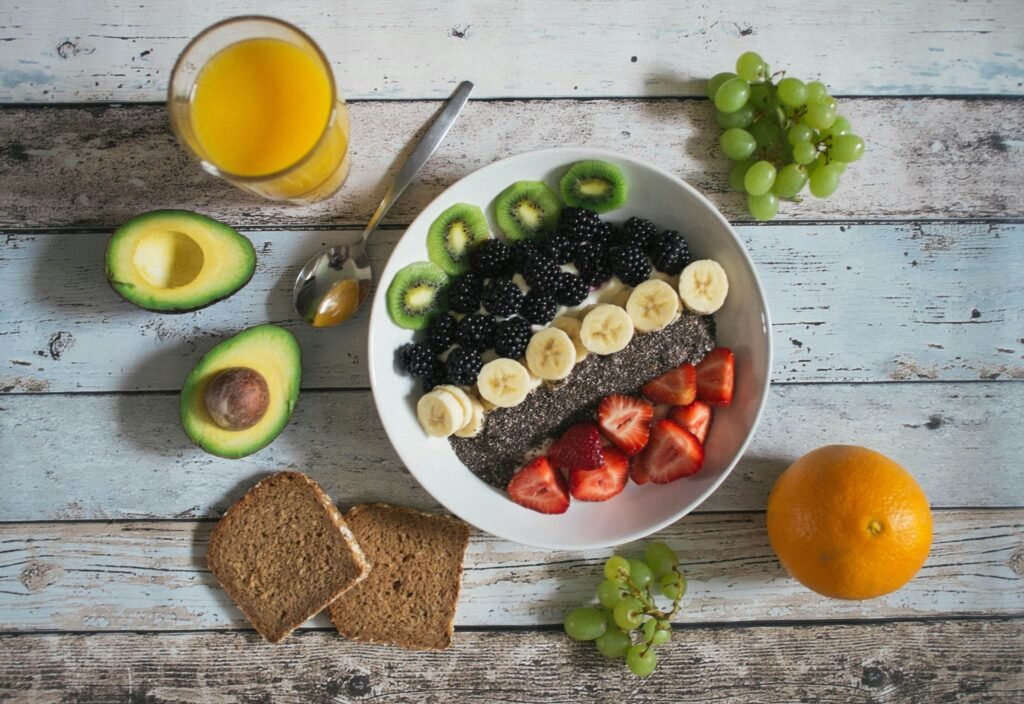
You can use these groups with your family’s usual meals. For example, a rice bowl might have an egg and cooked vegetables, with fruit and yogurt on the side. A lentil dish could come with bread and vegetables. Foods don’t need to be served separately, and you don’t have to include every group at each meal.
| Food group | Everyday options | A practical way to offer it |
| Vegetables | Carrots, peas, broccoli, spinach, pumpkin | Add cooked vegetables to rice or serve them beside a familiar main dish |
| Fruit | Banana, pear, orange, berries, canned fruit | Offer a texture and preparation suited to the child’s eating skills |
| Grains | Oats, bread, rice, pasta, tortillas | Rotate the grains your family uses; include whole-grain options |
| Protein foods | Eggs, lentils, beans, tofu, chicken, fish | Choose one for the main meal and vary it over the week |
| Dairy or suitable fortified alternatives | Milk, yogurt, cheese, fortified soy products | Include an option the child can tolerate at a meal or snack |
If your child has allergies or avoids a food group, talk to their doctor or a registered dietitian about good alternatives. Just because a product looks similar doesn’t mean it has the same nutrients.
How much food do children need at different ages?
A serving at one meal is not the same as the total daily amount for a food group. Spread the daily amount over meals and snacks. You don’t need to serve all of it at dinner.
The table below gives examples from the USDA’s July 2021 MyPlate handouts for different ages and calorie needs. These are just references, not current guidelines or personal recommendations. Age alone doesn’t decide a child’s needs, and the calorie levels are only estimates.
| Age band in USDA handout | Example pattern in that handout | Fruit per day | Vegetables per day | Grains per day | Protein foods per day | Dairy per day |
| 2–3 years | 1,000 calories | 1 cup | 1 cup | 3 oz-equivalents | 2 oz-equivalents | 2 cup-equivalents |
| 4–8 years | 1,400 calories | 1½ cups | 1½ cups | 5 oz-equivalents | 4 oz-equivalents | 2½ cup-equivalents |
| 9–13 years | 1,800 calories | 1½ cups | 2½ cups | 6 oz-equivalents | 5 oz-equivalents | 3 cup-equivalents |
An ounce-equivalent is a way to measure food groups, but it doesn’t always match the food’s weight. For example, in the USDA handouts, one slice of bread or half a cup of cooked rice counts as one grain ounce-equivalent. One egg or a quarter cup of cooked beans is one protein ounce-equivalent. One cup of milk or yogurt is one dairy cup-equivalent.
Keep this difference in mind when using the reference, but don’t turn meals into a counting game. Start with small portions and increase if needed. Don’t force your child to finish everything. The AAP suggests offering food without pressure or punishment if your child doesn’t eat it.
If your child needs a specific amount of food because of growth issues, allergies, a medical condition, or a very limited diet, talk to their care team. Don’t just choose a calorie target from the table based only on age.
What might a day of healthy meals for the kids look like?
Here’s an example for a school-age child who can eat these foods safely and has no allergies. It shows variety and how to reuse ingredients. This example hasn’t been tested with a family and isn’t meant to meet any specific calorie or nutrient needs. You can adjust the amounts, textures, and ingredients to fit your child.
| Eating occasion | Example meal or snack | Simple preparation choice |
| Breakfast | Oatmeal made with milk, with soft banana pieces | Use the oats and milk you already buy; serve the banana separately if preferred |
| Lunch | Egg sandwich on whole-grain bread, soft cooked carrots and prepared pear | Keep the sandwich filling familiar and adapt the fruit’s texture as needed |
| Afternoon snack | Plain yogurt with soft fruit | Put fruit beside the yogurt if mixed textures are unwelcome |
| Dinner | Chicken or tofu, rice and cooked peas or broccoli | Serve components separately so the child can see and choose from the foods offered |
You can serve water with meals and snacks. This menu is just a list of food ideas, not strict rules about how often or how much your child should eat.
At home, you can pick a meal your family already enjoys and serve the parts separately: rice in one bowl, cooked vegetables in another, and protein on a plate. Adults can mix things together, while kids can stick to what they know. You can also offer a small amount of something new without making it a requirement to try it before eating the rest.
How can you make meals easier on busy days?
Make a short list of meals that use similar ingredients. Oats, bread, eggs, yogurt, rice, lentils, and a few fruits and vegetables can be used for many breakfasts, lunches, and dinners, so you don’t need a new recipe every time.
Pick two breakfasts to alternate, two lunches, and three dinners. Check your fridge and cupboards before making your shopping list. If you want more structure, our weekly family menu plan guide includes meal themes and a sample dinner schedule.
Frozen and canned fruits and vegetables also count in the USDA’s MyPlate food groups. It’s helpful to keep some of these on hand with your fresh produce, so you have ingredients for a meal even if you miss a shopping trip.
| When you have little time | Meal to assemble | What to keep available |
| Breakfast needs minimal preparation | Yogurt, fruit and a whole-grain option | Yogurt, suitable fruit, bread or cereal |
| Lunch needs to use familiar foods | Egg sandwich with a prepared vegetable or fruit | Eggs, bread, produce |
| Dinner needs a simple base | Lentils, rice and cooked vegetables | Lentils, rice, frozen or fresh vegetables |
| Everyone wants different combinations | Tofu or chicken, grain and vegetable bowls | One protein, one grain and two vegetables |
These are ideas for putting meals together, not timed recipes. Choose the one that works with your equipment and the ingredients you already have ready.
What if your child will simply refuse the vegetables or other foods?
Serve one familiar food with the rest of the meal. Keep the portion of any new food small, so you can offer it again without much waste. For example, add a little cooked broccoli next to a rice and egg meal instead of making broccoli the main part.
The AAP suggests you keep offering the food, avoid food battles, and don’t use treats as bribes. If your child refuses something once, it doesn’t mean they won’t try it another time.
Let children choose what goes in their meal, like peas or carrots, or whether fruit is beside the yogurt or mixed in. They can help stir, arrange ingredients, or pick their own vegetable. Adults should handle sharp tools and heat. Our family activities guide includes meal planning and supervised food prep you can do together.
Take a neutral approach, like saying, “The carrots are here if you want some.” Don’t promise that a certain way of serving food will make your child eat it. If eating is often hard or your child’s food choices are getting very limited, talk to the pediatrician instead of adding more pressure at meals.
How should food be prepared for young children?
Even healthy foods can be choking hazards. The CDC’s choking prevention advice says to prepare food for your child’s stage of development, use the right shapes, sizes, and textures, and always supervise while they eat.
For young children, the CDC lists whole nuts, popcorn, whole grapes, hard raw carrot or apple pieces, whole beans, and chunks or spoonfuls of nut butter as choking hazards. Just because one child can eat a certain food doesn’t mean it’s safe for all kids that age.
Cook vegetables until they are soft, adjust fruit texture as needed, mash foods if necessary, and remove bones from meat or fish. Make sure your child sits upright and eats with an adult present. Eating should not happen while walking, running, or playing. If you’re unsure what your child can handle, ask their clinician.
The sample day above is for a school-age child, not a toddler. Younger kids have different needs for food, size, and texture.
When should you be asking for professional help with feeding?
If you’re worried about your child’s growth, nutrition, food reactions, or trouble chewing or swallowing, talk to your pediatrician. The AAP recommends discussing any diet concerns with your pediatrician, who can decide what support is needed.
You don’t need to create a restrictive diet or add supplements on your own. A clinician can tell you if a registered dietitian or feeding specialist would help your child.
For more everyday ideas, check out The Family Wellness. For your next shopping trip, pick one familiar breakfast, one easy lunch, and one dinner using ingredients you already have. Add a fruit or vegetable you can cook safely, and keep things simple so you can repeat them.
Sources
- USDA Agricultural Research Service: Build Your Own Healthy Plate. Supports the food-group explanation and MyPlate-inspired meal structure.
- USDA MyPlate example for ages 2–3, 1,000-calorie pattern, July 2021, pages 1–2. Supports that row’s daily amounts and food-group equivalents.
- USDA MyPlate example for ages 4–8, 1,400-calorie pattern, July 2021, pages 1–2. Supports that row’s daily amounts and equivalents.
- USDA MyPlate example for ages 9–13, 1,800-calorie pattern, July 2021, pages 1–2. Supports that row’s daily amounts.
- American Academy of Pediatrics: 10 Tips for Parents of Picky Eaters. Supports familiar foods, repeated offers, avoiding pressure and bribes, and discussing diet concerns with a pediatrician.
- CDC: Choking Hazards, updated March 11, 2026. Supports preparation, seating, supervision and the named food hazards.
All cited resources were opened and reviewed on October 16, 2026. The MyPlate table identifies the handouts’ original publication date and represents selected historical examples, not a statement of the latest US dietary policy.