School Lunch Ideas for Kids: 40 Easy, Healthy Options
School lunch ideas for kids can be as simple as an egg sandwich, a chicken and rice bowl, a bean wrap, or a yogurt lunchbox…
School lunch ideas for kids can be as simple as an egg sandwich, a chicken and rice bowl, a bean wrap, or a yogurt lunchbox with bread and fruit. The 40 options here include both cold and hot meals, and you can rotate them over two weeks so you don’t have to choose a new one every morning.
If your child brings home an untouched sandwich, ask what happened before changing the whole menu. Was the bread soggy? Was the container hard to open? Did lunch end before your child could eat the main part? Their answer will help you decide if you need to change the recipe, the packaging, or how much you pack.
These ideas are for school-age children. Adjust the portions, textures, and ingredients to fit your child’s appetite, eating skills, allergies, and school rules. These are just meal ideas, not personalized nutrition plans or guarantees that every child will eat them.
What should you put in a school lunchbox?
Start with a main food, then add fruit or vegetables and another item if needed, like yogurt or bread. Change up the combinations during the week with foods your child can safely eat. Our healthy food for kids guide has more information on food groups and some everyday meal examples if you need ideas.
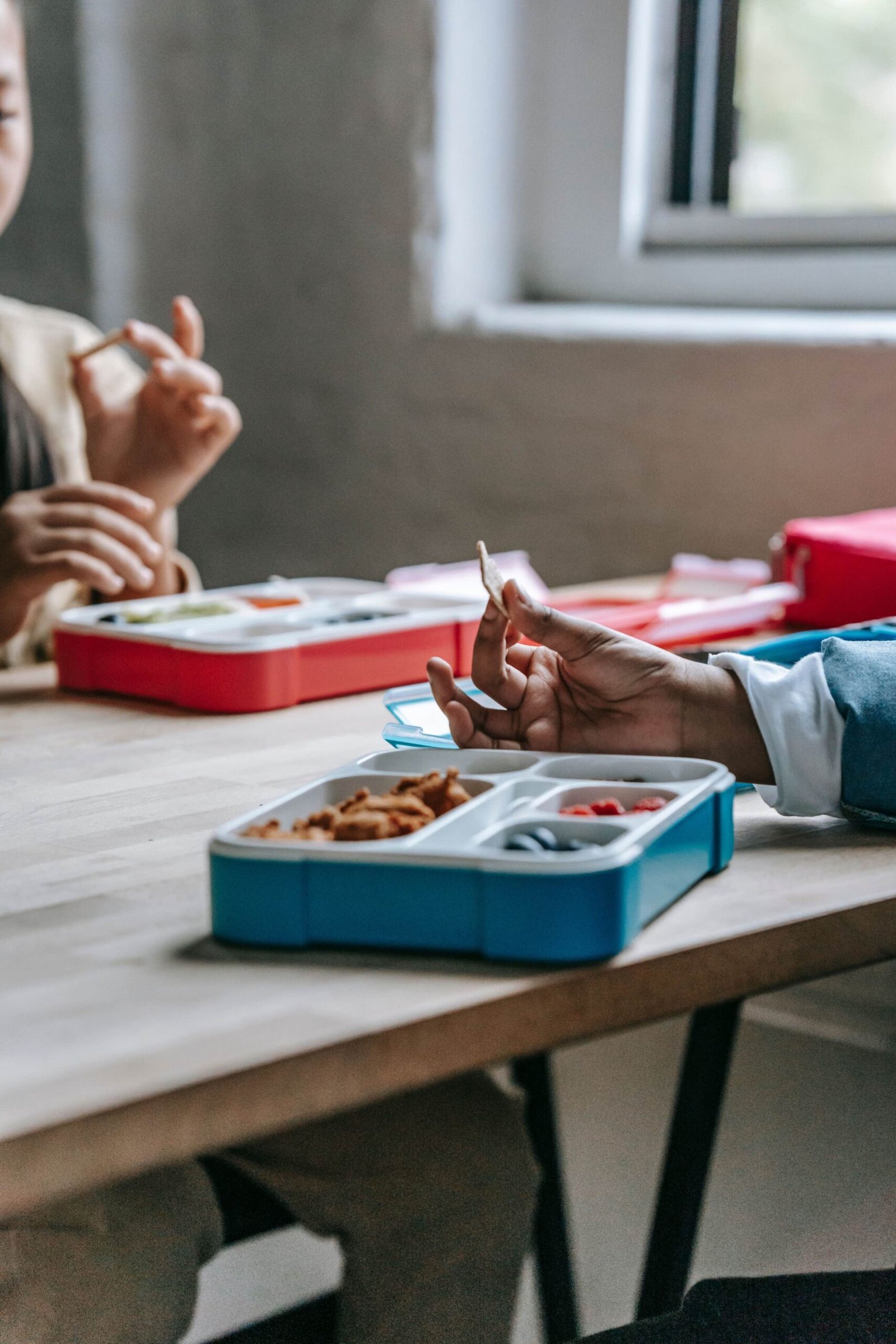
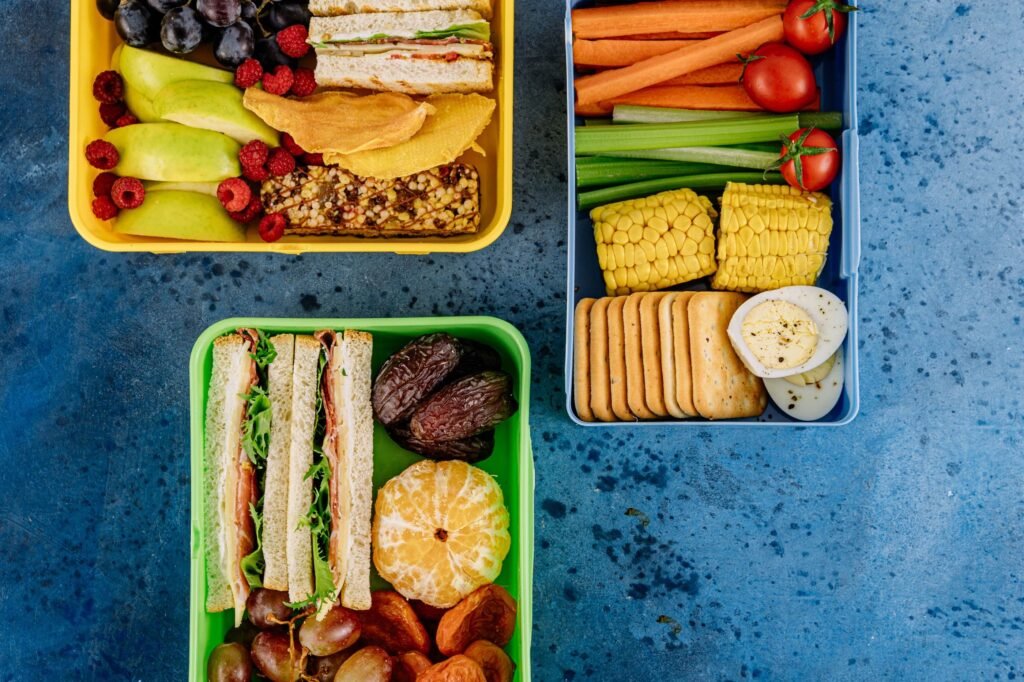
Keep packaging practical. Put a sandwich in one compartment, fruit in another, and dip in a small sealed pot. You don’t need to fill every compartment with a different food. Add a spoon or fork if needed, and make sure your child can use their water bottle.
Before picking a meal, check three things: the ingredients are allowed, the food will stay at a safe temperature, and your child can open and eat it during lunch.
40 easy lunch ideas for kids
Packing key: All the options below have ingredients that need temperature control. For cold foods, pack them well-chilled with enough cold sources and follow the cold food tips below. For hot foods, use an insulated container and follow the hot food tips. The label shows the intended method, not how it will work in your own lunch bag or jar.
The sides are only suggestions. Swap them for produce your child knows. Use fully cooked ingredients when needed and remove any bones. Prepare food in a way your child can eat. Bread, pasta, tortillas, dairy, eggs, soy, and other items listed may have allergens. None of the options are guaranteed to be allergen-free.
Sandwiches, wraps and filled breads
| # | Main food | Suggested sides | Packing approach |
| 1 | Egg salad sandwich: Mix chopped cooked egg with a little yogurt or mayonnaise | Pear and cooked carrot pieces | Cold; keep the filling in its own pot if wet bread is a problem |
| 2 | Chicken and avocado wrap:Layer cooked shredded chicken with mashed avocado | Orange pieces and cucumber | Cold; fold into a size your child can hold |
| 3 | White-bean pita: Fill pita with mashed cooked beans and finely chopped cooked vegetables | Banana and yogurt | Cold; use a modest amount of filling to keep the pita manageable |
| 4 | Cheese and cucumber sandwich: Add thin cucumber slices to a familiar bread and cheese combination | Prepared apple and cooked peas | Cold; pack cucumber separately if preferred |
| 5 | Hummus and carrot wrap:Spread hummus on a tortilla and add soft cooked carrot strips | Melon and a cheese portion | Cold; check hummus ingredients, including sesame |
| 6 | Tofu pocket: Fill a small pita with cooked tofu and a familiar mild sauce | Pear and cooked broccoli | Cold; send extra sauce separately |
| 7 | Lentil spread sandwich: Mash cooked lentils with a little oil and seasonings your child knows | Orange pieces and cucumber | Cold; try the filling at home before sending it |
| 8 | Chicken salad roll: Fill a small roll with chopped cooked chicken and yogurt dressing | Prepared apple and soft cooked carrots | Cold; use a leak-resistant filling container if deconstructed |
| 9 | Egg and spinach flatbread: Fold cooked egg and cooked spinach inside a flatbread | Banana and yogurt | Cold; cool and refrigerate the cooked filling before packing |
| 10 | Bean-and-cheese tortilla triangles: Fill, fold and cook a tortilla, then chill and cut into pieces | Pear and prepared tomato | Cold; choose this only if your child likes the chilled texture |
Lunchboxes with separate components
| # | Main food | Suggested sides | Packing approach |
| 11 | Egg-and-bread box: Pack a prepared cooked egg with bread fingers | Soft cooked carrots and orange pieces | Cold; include a utensil if needed |
| 12 | Chicken pita plate: Put cooked chicken, pita pieces and a yogurt dip in separate compartments | Cucumber and pear | Cold; keep dip sealed |
| 13 | Cheese-and-cracker box: Pair cheese with whole-grain crackers your child can safely eat | Prepared fruit and cooked vegetables | Cold; keep crackers dry in a separate section |
| 14 | Yogurt and oat box: Send plain yogurt with a separate topping of soft cooked oats | Banana and a bread roll | Cold; include a spoon and keep bread separate |
| 15 | Hummus plate: Pair hummus with soft pita and prepared vegetables | Orange pieces and yogurt | Cold; check sesame and other ingredient restrictions |
| 16 | Tofu and noodle box: Pack cooked tofu and chilled noodles in separate sections | Cooked broccoli and melon | Cold; use a familiar dressing in a sealed pot |
| 17 | Bean dip box: Mash cooked beans into a dip and add tortilla pieces | Prepared tomato and pear | Cold; provide a spoon if dipping is awkward |
| 18 | Chicken pancake box: Pair small plain pancakes with cooked chicken pieces | Soft cooked carrots and prepared fruit | Cold; use pancakes your child enjoys chilled |
| 19 | Cottage-cheese lunchbox: Pair cottage cheese with bread or crackers | Prepared peach and cucumber | Cold; use a tightly closing pot |
| 20 | Egg muffin box: Bake a fully cooked egg-and-vegetable muffin, then chill it | Bread, pear and cooked peas | Cold; cut into manageable pieces |
Chilled pasta, rice and grain meals
| # | Main food | Suggested sides | Packing approach |
| 21 | Chicken pasta salad: Combine cooked pasta, chicken and cooked vegetables | Orange pieces | Cold; refrigerate thoroughly before packing |
| 22 | Chickpea couscous: Mix cooked couscous with prepared chickpeas and vegetables | Yogurt and pear | Cold; adjust chickpea texture to eating skills |
| 23 | Tofu rice bowl: Combine cooked tofu, rice and soft cooked carrots | Prepared fruit | Cold; chill cooked ingredients promptly and thoroughly |
| 24 | Lentil pasta bowl: Mix cooked lentils and pasta with a mild tomato dressing | Prepared melon and cucumber | Cold; use a secure container |
| 25 | Egg noodle salad: Pair chopped cooked egg with noodles and cooked peas | Orange pieces | Cold; send a fork |
| 26 | Bean rice salad: Mix cooked rice, prepared beans and finely chopped cooked vegetables | Pear and yogurt | Cold; prepare and refrigerate before the morning rush |
| 27 | Chicken quinoa bowl: Combine cooked chicken, quinoa and cooked broccoli | Prepared peach | Cold; choose a grain the child has tried before |
| 28 | Pasta with cheese and peas:Toss cooked pasta with cheese and cooked peas | Banana and prepared vegetables | Cold; keep dressing light to suit the child’s preference |
| 29 | Tofu couscous salad: Combine cooked tofu, couscous and cooked carrots | Orange pieces and yogurt | Cold; pack any sauce separately |
| 30 | Lentil-and-potato box: Pair cooked lentils with cooked potato pieces and vegetables | Pear | Cold; use a texture your child can eat comfortably |
Hot lunch ideas for an insulated food container
Use these options only if you can keep the food hot safely and your child can handle the container and food. They don’t need to use a school microwave.
| # | Main food | Suggested sides, packed separately | Packing approach |
| 31 | Lentil soup with vegetables | Bread and a whole banana | Hot; include a suitable spoon |
| 32 | Chicken and rice soup | Bread and prepared pear | Hot; chill any perishable side separately |
| 33 | Bean chili | Tortilla and orange pieces | Hot; choose a familiar level of seasoning |
| 34 | Tofu and vegetable stew | Bread and a whole banana | Hot; check the child can open the lid safely |
| 35 | Pasta with chicken and tomato sauce | Prepared fruit and cucumber | Hot; use pasta shapes the child can manage |
| 36 | Lentil bolognese pasta | Prepared pear and cooked vegetables | Hot; keep chilled sides in a separate cold setup |
| 37 | Chicken, potato and carrot stew | Bread and orange pieces | Hot; check for bones before packing |
| 38 | Bean and vegetable pasta soup | Bread and a whole banana | Hot; leave enough room to close the container securely |
| 39 | Mild chickpea curry with rice | Prepared fruit | Hot; adapt texture and seasoning for the child |
| 40 | Macaroni, cheese and peas | Prepared pear and cooked carrots | Hot; reheating and hot holding still matter for a meat-free meal |
A two-week school lunch rotation
The original plan uses ten meals from the list instead of ten new recipes. It’s just an example, not a record of lunches tested with a family. Adjust the amounts, swaps, and how often you use each meal to fit your household.
| School day | Lunch from the list | Produce and extra | Evening preparation |
| Week 1, Monday | #1 Egg salad sandwich | Pear and cooked carrots | Cook the egg, prepare the filling and refrigerate it |
| Week 1, Tuesday | #21 Chicken pasta salad | Orange pieces | Cook and chill the components; prepare a fork |
| Week 1, Wednesday | #15 Hummus plate | Prepared vegetables, orange and yogurt | Portion permitted ingredients into sealed containers and refrigerate |
| Week 1, Thursday | #31 Lentil soup | Bread and a whole banana | Prepare soup and refrigerate promptly; reheat correctly in the morning |
| Week 1, Friday | #10 Bean-and-cheese tortilla triangles | Pear and prepared tomato | Cook and chill the filled tortilla |
| Week 2, Monday | #23 Tofu rice bowl | Prepared fruit | Cook and thoroughly chill rice, tofu and carrots |
| Week 2, Tuesday | #12 Chicken pita plate | Cucumber and pear | Portion cooked chicken and yogurt dip; refrigerate |
| Week 2, Wednesday | #20 Egg muffin box | Bread, pear and cooked peas | Bake until fully cooked, then chill the muffin |
| Week 2, Thursday | #36 Lentil bolognese pasta | Prepared pear and cooked vegetables | Prepare and refrigerate the main; reheat correctly in the morning |
| Week 2, Friday | #4 Cheese and cucumber sandwich | Prepared apple and cooked peas | Prepare the cold components; keep bread separate if preferred |
This isn’t a suggestion to keep two weeks of pre-made meals in the fridge. Plan your cooking, refrigeration, and freezing based on safe storage. In the morning, add your cold packs or prepare your hot container before leaving.
How do you keep a packed school lunch safe?
The USDA’s bag-lunch guidance recommends:
- Cold food: Cooked food must be chilled rapidly to 40°F/4.4°C or below. Perishables should be packed in an insulated bag with at least two cold sources. Refrigerate at school on arrival if possible.
- Hot food: Preheat an insulated container with boiling water for a few minutes, empty it and then add the piping hot food. Keep it closed until lunch and maintain a temperature of 140°F/60°C or above.
- Leftovers being reheated: must reach at least 165°F (about 74°C) and this must be checked with a food thermometer.
- Time without temperature control: Perishables must not be left at room temperature for more than two hours (or one hour if above 90°F/around 32°C). That’s a limit, not a target.
Wash your hands and equipment before packing. Keep raw meat away from ready-to-eat foods and throw out any perishables left over after lunch. Just because a container is called insulated doesn’t mean it works well.
Before relying on your setup, test it during the actual time from packing to lunch using a food thermometer (without your child eating the test food). Don’t assume a bag or jar will keep food safe for a set number of hours without checking. Adults should handle boiling water and check for burn risks before choosing a hot lunch for a child.
What if you’re looking for easy healthy lunch ideas for a picky eater?
Start with a food your child already eats, then offer other foods in small amounts. The AAP suggests beginning with a familiar food, letting your child choose what and how much to eat, and involving them in picking and preparing food.
Keep wet and dry ingredients separate if your child prefers it. You can pack bread, filling, and veggies in different compartments instead of making a sandwich. Try new fillings at home before making them the main part of your child’s school lunch.
Ask your child what would help—maybe a smaller portion, different bread, a spoon instead of a fork, or an easier lid. If lunch comes home, use that information to adjust, rather than just sending an empty box next time. If practical issues are stopping you, ask the school about timing and available help.
For any ongoing concerns regarding intake, growth, allergies or eating skills then of course you should speak to your child’s paediatrician or a registered dietitian. This article is general meal planning information only and is not a substitute for medical advice.
How can the kids help with packing their lunch?
Give your child two good options, like an egg sandwich or a tofu wrap, and let them pick a fruit or vegetable you can prepare. Adults are still responsible for checking restrictions, safe preparation, and temperature control.
A child might put bread in the container, place a spoon by the bag, or choose tomorrow’s main meal. Our Chores for kids by age guide explains how to teach kids household duties with the right support, instead of just assuming they can do it because of their age.
Prepare non-perishable items the night before, and keep refrigerated food in the fridge until you’re ready to pack. Make lunch checks part of your usual routine. Our kids’ daily routine for school day guide has prep tips and sample schedules you can adjust.
What about school exclusions and the needs of younger children?
Check your school’s allergy policy and your child’s care plan before choosing ingredients. Always read labels and follow any cross-contact precautions. Hummus, seed spreads, bread, and substitutes can also have allergens, so a swap isn’t always safe just because it’s peanut-free.
This menu isn’t for toddlers. For younger kids or those who have trouble chewing or swallowing, prepare food carefully. The CDC lists whole nuts, whole grapes, hard raw apple or carrot pieces, whole beans, and large cheese pieces as choking hazards. Adjust food to your child’s development and always supervise meals.
For tomorrow, choose a main item from the list that you know, add suitable sides, and make sure the lunch will stay safe until it’s eaten. Start with a lunch your child can open and manage on their own.
Sources
- USDA Food Safety and Inspection Service: Keeping “Bag” Lunches Safe, live page updated July 25, 2025. Supports chilling, two cold sources, hot holding, reheating, hygiene and handling leftovers.
- American Academy of Pediatrics: How Do I Help My Picky Eater Try More Healthy Foods?. Supports familiar foods, choice without pressure and involving children in preparation.
- CDC: Choking Hazards, updated March 11, 2026. Supports the younger-child preparation cautions and named hazards.
All three pages were opened and reviewed October 24, 2026. Lunch combinations and the rotation are original editorial suggestions. No nutrition totals, preparation-time measurements, container-performance results or family-testing outcomes are claimed.