What to Avoid in Deodorant: Ingredients to Think Twice About
Most people use deodorant every day. It’s applied to sensitive skin, often right after shaving, and stays on for hours. With this regular use, many…
Most people use deodorant every day. It’s applied to sensitive skin, often right after shaving, and stays on for hours. With this regular use, many families want to know which ingredients to avoid and how to choose safer options.
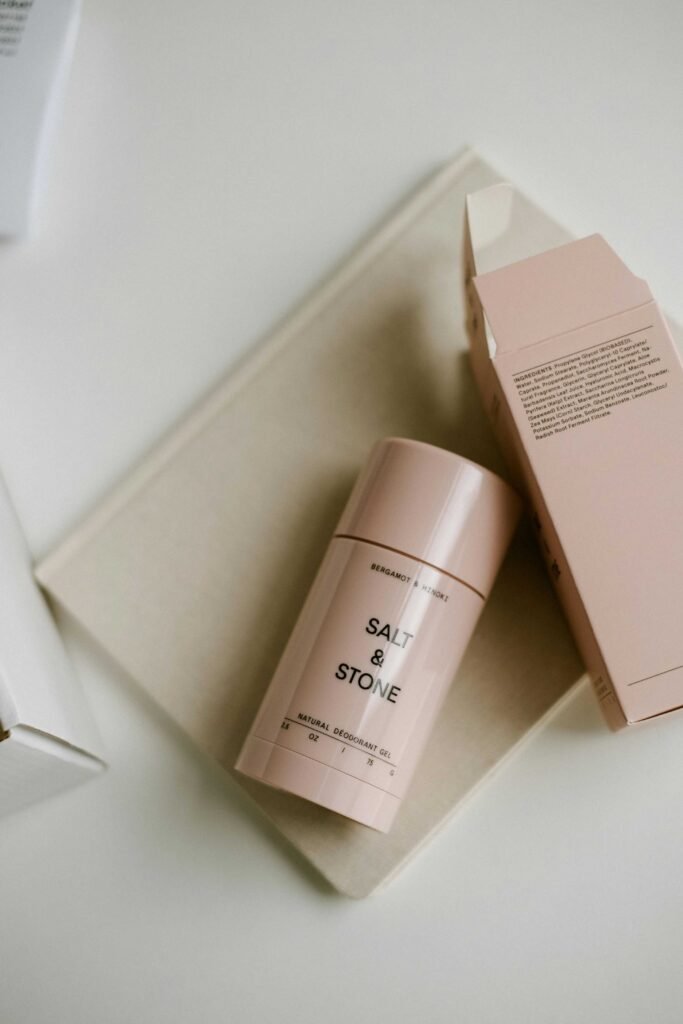
This guide explains common deodorant ingredients, why some are concerning, and what to look for instead. The goal is to help you make choices without feeling worried or overwhelmed.
How Deodorant Works (Quick and Simple)
Before you learn which ingredients to avoid, it’s helpful to know how deodorant works.
Deodorants work by reducing odor-causing bacteria. Antiperspirants block sweat glands to prevent moisture. Many regular products do both, which is why certain ingredients are used.
What to Avoid in Deodorant: Ingredients to Watch For
This section covers the most common ingredients experts suggest limiting or avoiding in daily deodorant use.
1. Aluminum Compounds and Salts
Aluminum compounds are often mentioned when discussing which deodorant ingredients to avoid. They are listed as aluminum chlorohydrate or aluminum zirconium on labels.
These compounds work by temporarily blocking sweat glands. The National Cancer Institute states that current evidence does not clearly link aluminum in deodorant to cancer, but research continues (NCI).
Many people still choose aluminum-free deodorant to allow natural sweating and reduce daily chemical exposure.
2. Talc
Talc is used to absorb moisture and reduce friction. However, some talc products have raised concerns because they may be contaminated with asbestos.
The U.S. Food and Drug Administration (FDA) continues to monitor talc safety and encourages manufacturers to test for contaminants (FDA Talc Information). For families focused on wellness, talc is often included on the list of what to avoid in deodorant.
3. Parabens
Parabens act as preservatives, helping prevent mold and bacterial growth. Common forms include methylparaben and propylparaben.
Studies show parabens can mimic estrogen in the body, raising concerns about hormone disruption. The Centers for Disease Control and Prevention (CDC) has detected parabens in human biomonitoring studies (CDC Biomonitoring).
Since deodorant is used every day, many families see parabens as an important ingredient to avoid.
4. Propylene Glycol
Propylene glycol makes deodorant smoother and helps other ingredients absorb into the skin. It is usually considered safe, but it can irritate sensitive skin.
Some dermatology research links propylene glycol to contact dermatitis in certain people. Those with eczema or sensitive skin often try to avoid it in deodorant.
5. Triclosan
Triclosan is an antibacterial agent once common in personal care products. The FDA banned triclosan from antibacterial soaps due to concerns about hormone disruption and antibiotic resistance (FDA Triclosan Rule).
Triclosan is less common now, but it can still be found in some deodorants, so it is an ingredient to watch out for.
6. Phthalates
Phthalates make fragrances last longer. They are rarely listed clearly on labels and are often hidden under the term “fragrance.”
The CDC links phthalate exposure to hormone interference, especially in children (CDC Phthalates). Because deodorant is applied near lymph nodes, phthalates are often included in lists of what to avoid in deodorant.
7. Artificial Fragrance (Parfum)
The terms “fragrance” or “parfum” can refer to a blend of undisclosed chemicals.
The Environmental Working Group (EWG) says that fragrance mixtures are a top cause of skin irritation and allergic reactions (EWG). For families focused on wellness, artificial fragrance is one of the main things to avoid in deodorant.
Why the Underarm Area Is Especially Sensitive
The skin under your arms is thin, often shaved, and has many lymph nodes. Studies show that chemicals can enter the bloodstream more easily through sensitive areas like this.
That’s why it’s especially important to know what to avoid in deodorant compared to other personal care products.
What to Look for Instead
It’s helpful to know what to avoid in deodorant, but it’s also important to know about safer alternatives.
Safer Ingredients to Consider
- Magnesium hydroxide
- Zinc ricinoleate
- Arrowroot powder
- Tapioca starch
- Gentle essential oils
These ingredients help control odor but do not block your sweat glands.
Is Natural Deodorant Right for Everyone?
Natural deodorant works for many people, but it does not suit everyone.
Some people experience a short adjustment period as sweat glands resume normal function. Sensitive skin types may need fragrance-free options. Understanding what to avoid in deodorant helps you choose a product that fits your body, not trends.

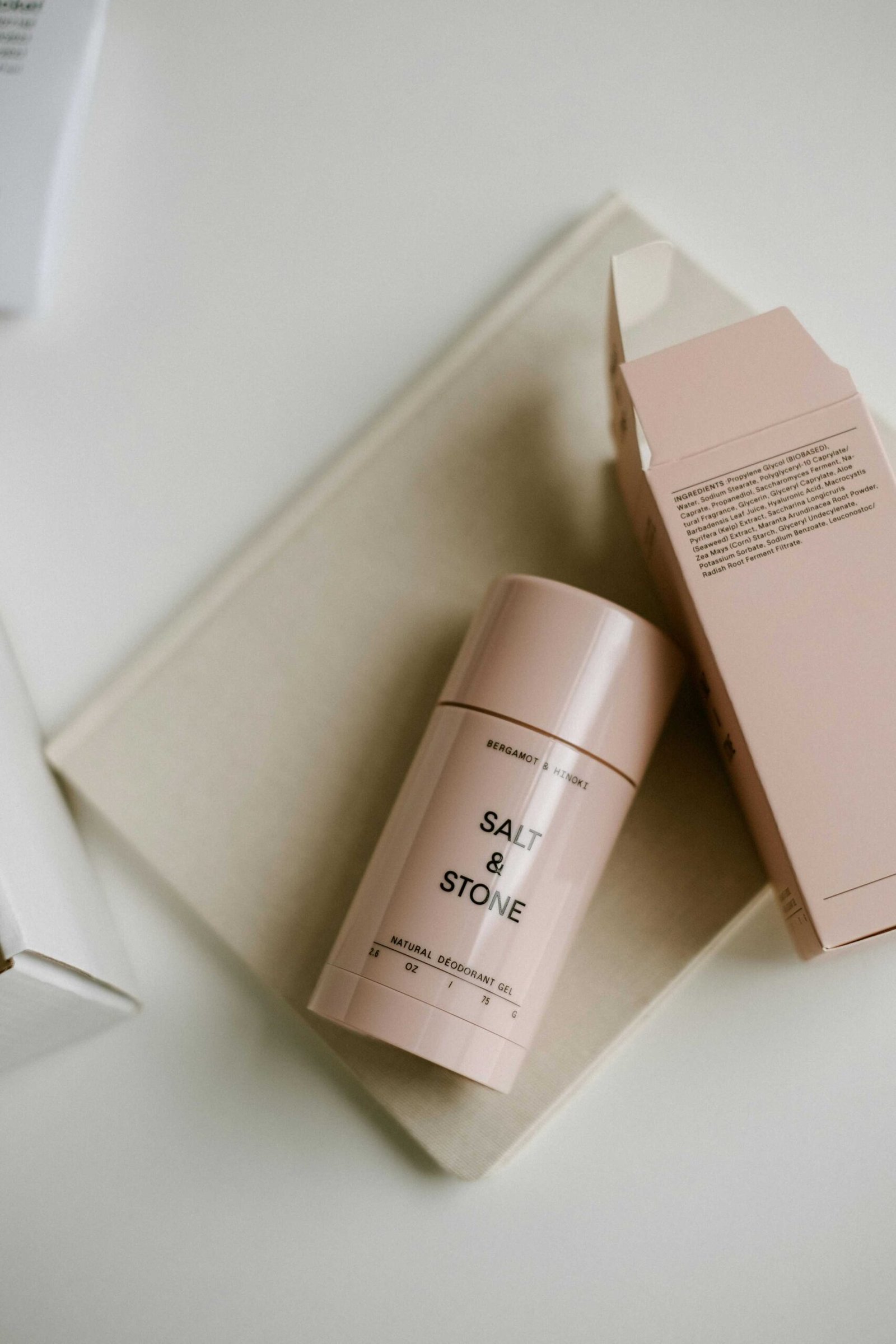
How to Read a Deodorant Label With Confidence
Label reading becomes easier with practice.
- Choose shorter ingredient lists.
- Look for fragrance-free instead of “unscented.”
- Watch for aluminum and parabens.
- Look for third-party certifications.
Learning this skill helps you make better wellness choices over time.
Helpful Video Resource
Here’s a video that explains personal care ingredient safety in a clear and science-based way.
📺 YouTube Video:
Final Thoughts
Learning what to avoid in deodorant is not about being afraid. It’s about being aware and making choices. Small daily decisions add up, especially for families who care about wellness.
You do not need to change everything overnight. Start with one product. Read labels. Choose what feels right for your home. Informed choices create healthier habits without stress.
References
- National Cancer Institute – Antiperspirants and Cancer
https://www.cancer.gov - U.S. Food and Drug Administration – Cosmetic Ingredients
https://www.fda.gov - Centers for Disease Control and Prevention – Phthalates & Parabens
https://www.cdc.gov - Environmental Working Group – Deodorant Safety
https://www.ewg.org