Argan Oil Allergic Reaction: Symptoms, Causes, and Safety Tips
Argan oil is popular for keeping skin healthy and hair shiny. People often call it “liquid gold” because it is packed with nutrients and is…
Argan oil is popular for keeping skin healthy and hair shiny. People often call it “liquid gold” because it is packed with nutrients and is very moisturizing. Still, some people may have an allergic reaction after using products with argan oil.
Although allergic reactions to argan oil are not common, they can happen, especially if you have sensitive skin or allergies. Knowing the symptoms, causes, and how to prevent them can help you use argan oil safely.
This guide covers what you need to know about argan oil allergic reactions, such as warning signs, risk factors, and when to get medical help.
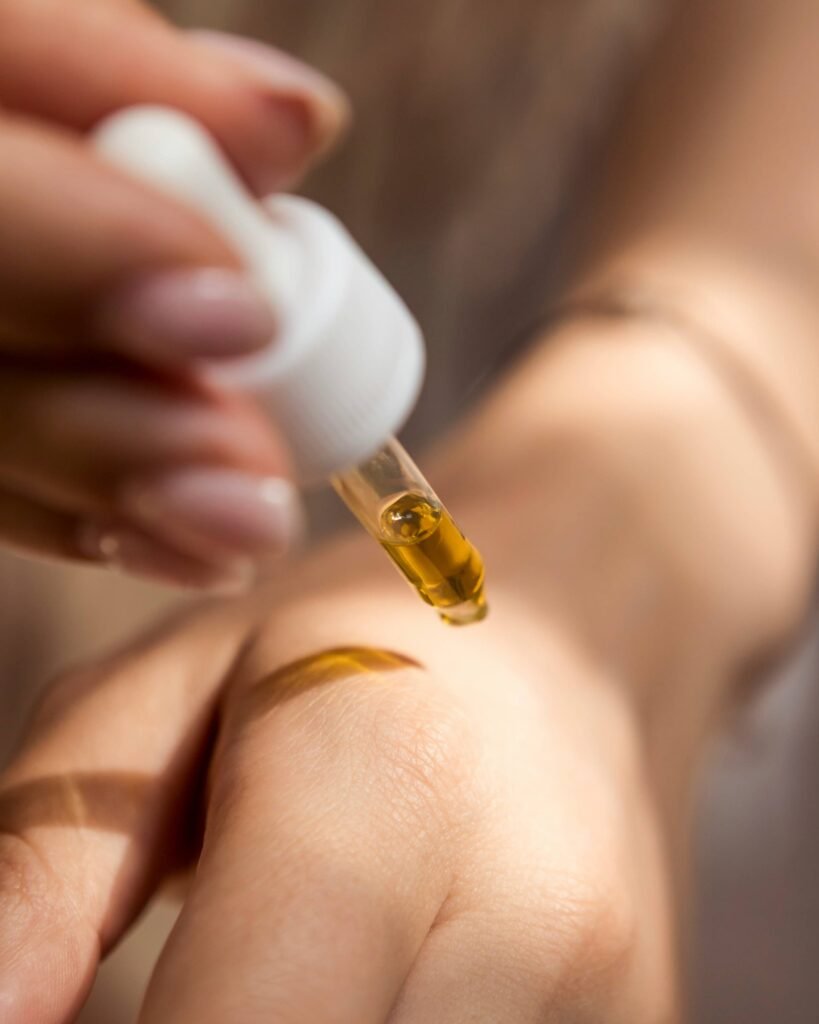
What Is Argan Oil?
Argan oil is made from the kernels of the argan tree (Argania spinosa), which mostly grows in Morocco. People have used this oil for centuries in cooking, skincare, and haircare.
Today, you can find argan oil in shampoos, conditioners, facial serums, body lotions, and other cosmetics. Many people like it because it has nutrients that are good for skin and hair.
Rich Nutrient Profile
Argan oil contains:
- Vitamin E
- Essential fatty acids
- Polyphenols
- Antioxidants
According to the U.S. Department of Agriculture (USDA), vitamin E acts as an antioxidant that helps protect cells from damage.
Benefits of Argan Oil
People commonly use argan oil to:
- Moisturize dry skin
- Reduce frizzy hair
- Improve skin softness
- Support scalp health
- Protect hair from damage.
These benefits are why argan oil is now a common ingredient in many wellness and beauty products.
Can Argan Oil Cause an Allergic Reaction?
Argan oil is usually safe, but some people can still have an allergic reaction to it.
It’s important to know the difference between skin irritation and a real allergy. Skin irritation often causes short-term redness or discomfort, but an allergy means your immune system reacts as if the substance is harmful.
Some research in dermatology journals has found rare cases of allergic contact dermatitis from argan oil. This means that while it is not common, allergic reactions to argan oil can happen.
According to the American Academy of Dermatology, allergic contact dermatitis occurs when the immune system reacts to an ingredient that comes into contact with the skin.
Symptoms of an Argan Oil Allergic Reaction
An allergic reaction to argan oil can be mild or, in some cases, more serious.
Mild Symptoms
Many people experience mild symptoms first, including:
- Redness
- Itching
- Dry patches
- Mild rash
- Skin sensitivity
These symptoms usually show up within a few hours after you use the product.
Moderate Symptoms
In some cases, an argan oil allergic reaction may cause:
- Swelling
- Hives
- Burning sensation
- Raised bumps
- Skin peeling
If your symptoms get worse after using the product more than once, stop using it right away.
Severe Symptoms
Severe allergic reactions do not happen often, but they need quick medical attention.
Symptoms may include:
- Facial swelling
- Difficulty breathing
- Wheezing
- Tightness in the throat
- Dizziness
These symptoms could mean you are having anaphylaxis, which is a medical emergency and needs immediate treatment.
Tree Nut Allergies and Argan Oil
A common question is whether people with tree nut allergies can safely use argan oil.
Is Argan Oil Related to Tree Nuts?
Argan oil is made from the kernel of the argan fruit. It is not one of the most common tree nuts, but people with severe nut allergies should still be careful.
Can People with Tree Nut Allergies Use Argan Oil?
There is not much research yet. Some people with tree nut allergies use argan oil without any issues, but others might be more sensitive.
If you have had severe allergic reactions before, talk to an allergist before trying argan oil products.
Why Patch Testing Matters
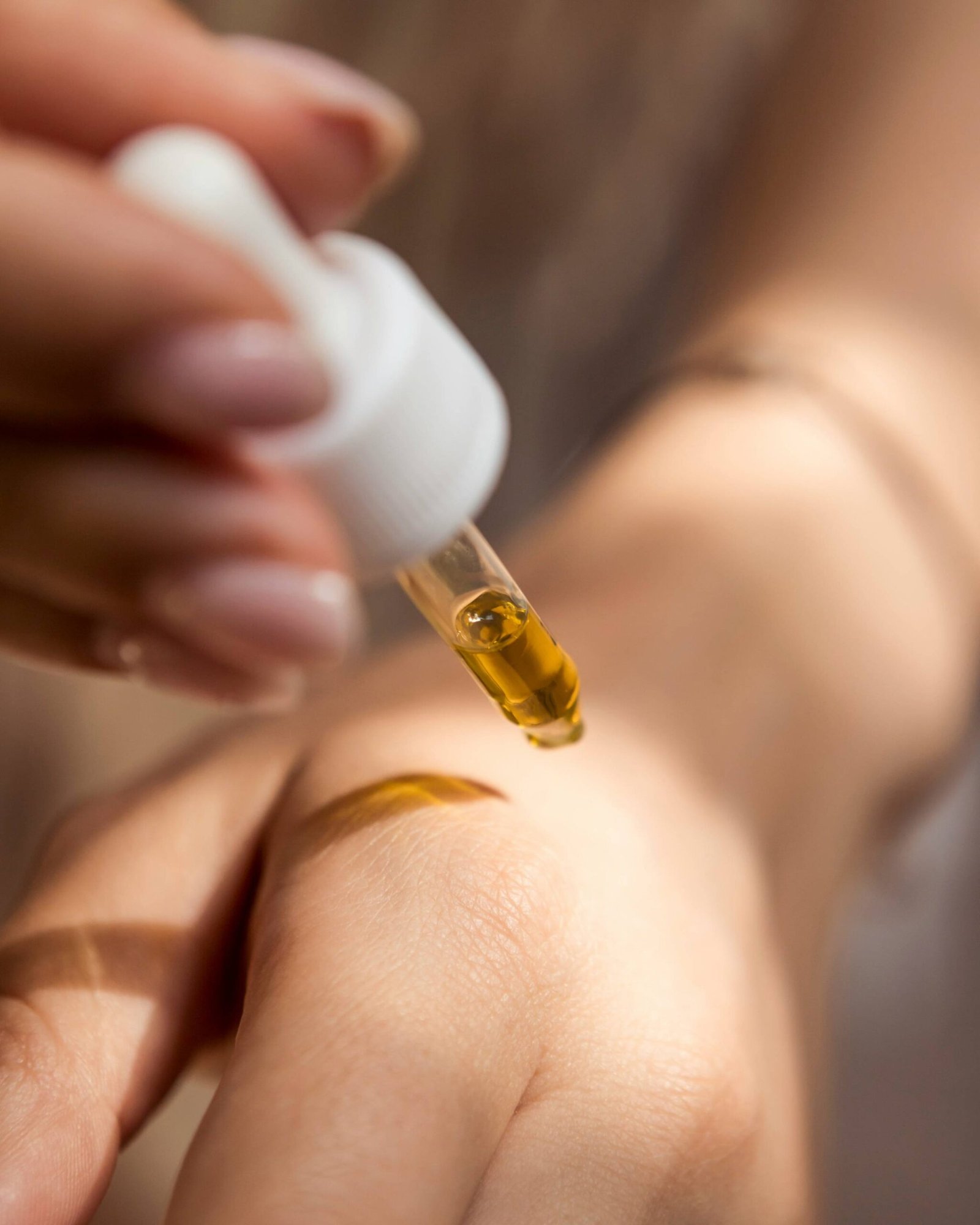
Before you use a new product with argan oil, do a patch test. This easy step can help lower the chance of an unexpected allergic reaction.
Other Side Effects of Argan Oil
Not every bad reaction is an allergy.
Acne and Skin Breakouts
Argan oil usually does not clog pores, but some people can still get breakouts, especially if they use too much.
Scalp Irritation
Some hair products with argan oil also have fragrances and preservatives, which can sometimes cause irritation.
Eye Irritation
If argan oil gets in your eyes by accident, it can cause burning or discomfort for a short time. Rinse your eyes well with clean water.
Who Is More Likely to Experience an Argan Oil Allergic Reaction?
Some people have a higher risk of having an allergic reaction to argan oil.
Individuals with Sensitive Skin
If you have sensitive skin, you may react more easily to new products and ingredients.
People with Multiple Allergies
People who already have allergies to cosmetics, fragrances, or plants are more likely to have an allergic reaction.
Those with Existing Skin Conditions
If you have any of the following conditions, you should be extra careful:
Eczema
If your skin barrier is damaged, you may be more sensitive.
Contact Dermatitis
If you have had contact dermatitis before, you may be more likely to react again.
Rosacea
Some oils can cause redness and irritation for some people.
How to Perform a Patch Test
Doing a patch test is one of the easiest ways to help prevent an allergic reaction to argan oil.
Step 1: Choose a Small Area
Put a small amount of the product behind your ear or on your inner forearm.
Step 2: Leave It Alone
Leave the area unwashed for now.
Step 3: Wait 24–48 Hours
Watch the area for any redness, itching, or swelling.
Step 4: Check for Symptoms
If you do not see any reaction, the product is probably safe for regular use.
Precautions for Using Argan Oil Safely
To lower your risk of an allergic reaction to argan oil, try these simple tips:
Choose Pure Products
Choose high-quality, pure argan oil with as few additives as possible.
Read Ingredient Labels
Sometimes, reactions are caused by fragrances, preservatives, or other ingredients, not the argan oil itself.
Introduce Products Slowly
Start using new products slowly and pay attention to how your skin reacts.
Store Products Properly
Store argan oil away from heat and sunlight to keep it fresh.
What to Do If You Experience an Argan Oil Allergic Reaction
If you notice any symptoms of an allergic reaction to argan oil, stop using the product right away.
Wash the area with mild soap and water. For mild symptoms, you can try over-the-counter antihistamines or hydrocortisone cream, but see a healthcare provider if symptoms do not go away.
Get emergency help right away if you have trouble breathing or your face swells.
Final Thoughts
Allergic reactions to argan oil are rare, but they can happen. Most people use argan oil without problems, but if you have sensitive skin, several allergies, or skin conditions, you should be extra careful.
Doing a patch test, reading labels, and picking high-quality products can help lower your risk. If you have symptoms, stop using the product and talk to a doctor if needed.
When used safely, argan oil is still a great ingredient with many benefits for your skin and hair.
YouTube Resource
Here’s helpful video by Dr. Anil:
References
American Academy of Dermatology – Contact Dermatitis:
https://www.aad.org/public/diseases/eczema/types/contact-dermatitis
American Academy of Allergy, Asthma & Immunology:
https://www.aaaai.org
National Institutes of Health – Allergic Contact Dermatitis:
https://www.ncbi.nlm.nih.gov/books/NBK532866/
USDA FoodData Central:
https://fdc.nal.usda.gov
Cleveland Clinic – Skin Allergy Overview:
https://my.clevelandclinic.org/health/diseases/8612-skin-allergies