Sibling Rivalry: Why It Happens and 12 Ways to Handle It
One kid grabs the blue marker. The other screams “You always take my stuff!” and the argument over who gets to colour rapidly escalates into…
One kid grabs the blue marker. The other screams “You always take my stuff!” and the argument over who gets to colour rapidly escalates into an argument over everything.
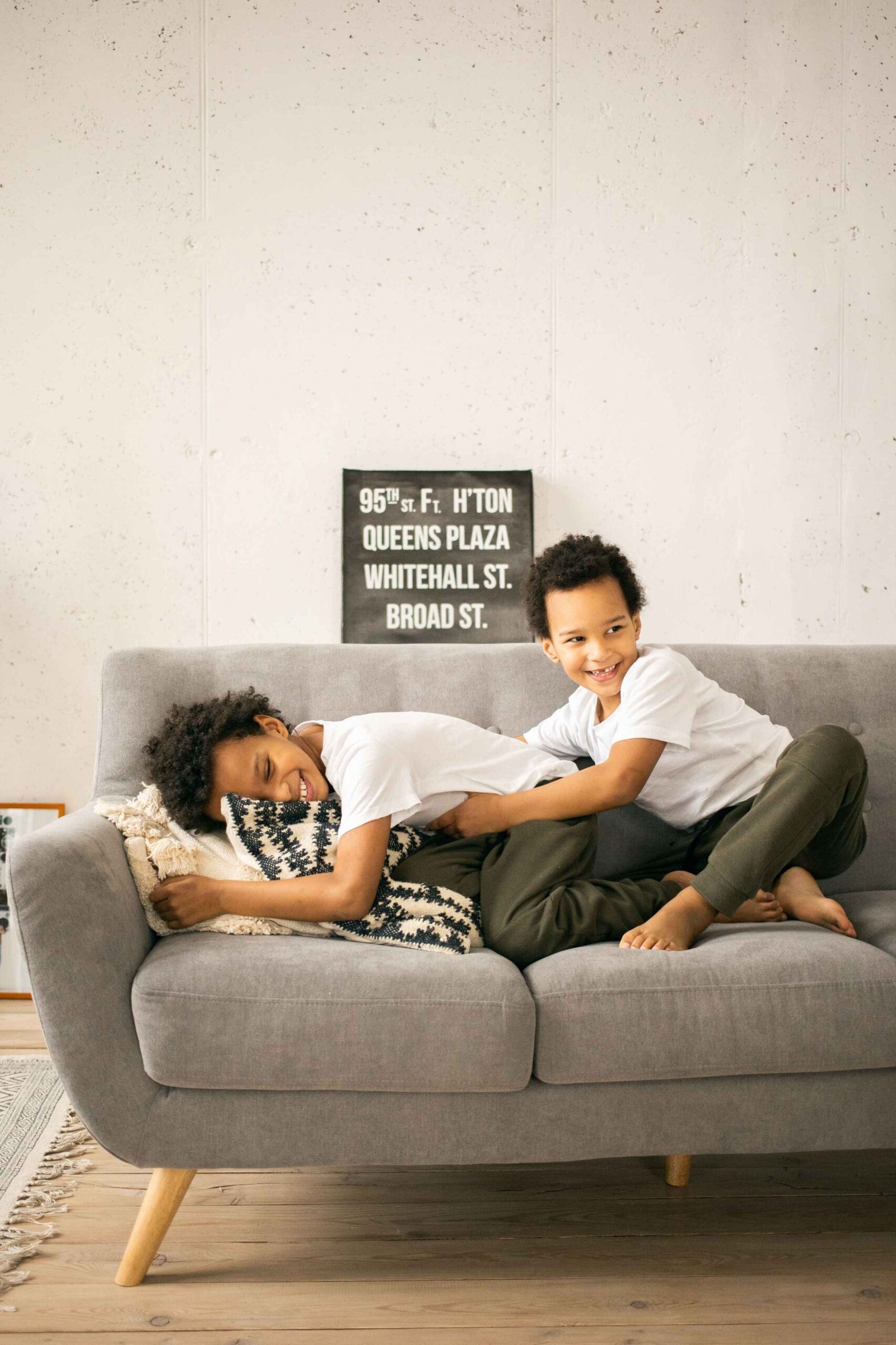
Sibling rivalry means brothers and sisters compete, often for attention, possessions, or privileges. You can help by setting clear boundaries, protecting each child’s space, and teaching them how to disagree. First, make sure the situation isn’t dangerous. If there’s hitting, threats, or intimidation, step in right away, even if the argument started over something small.

Why do siblings get on each other’s nerves?
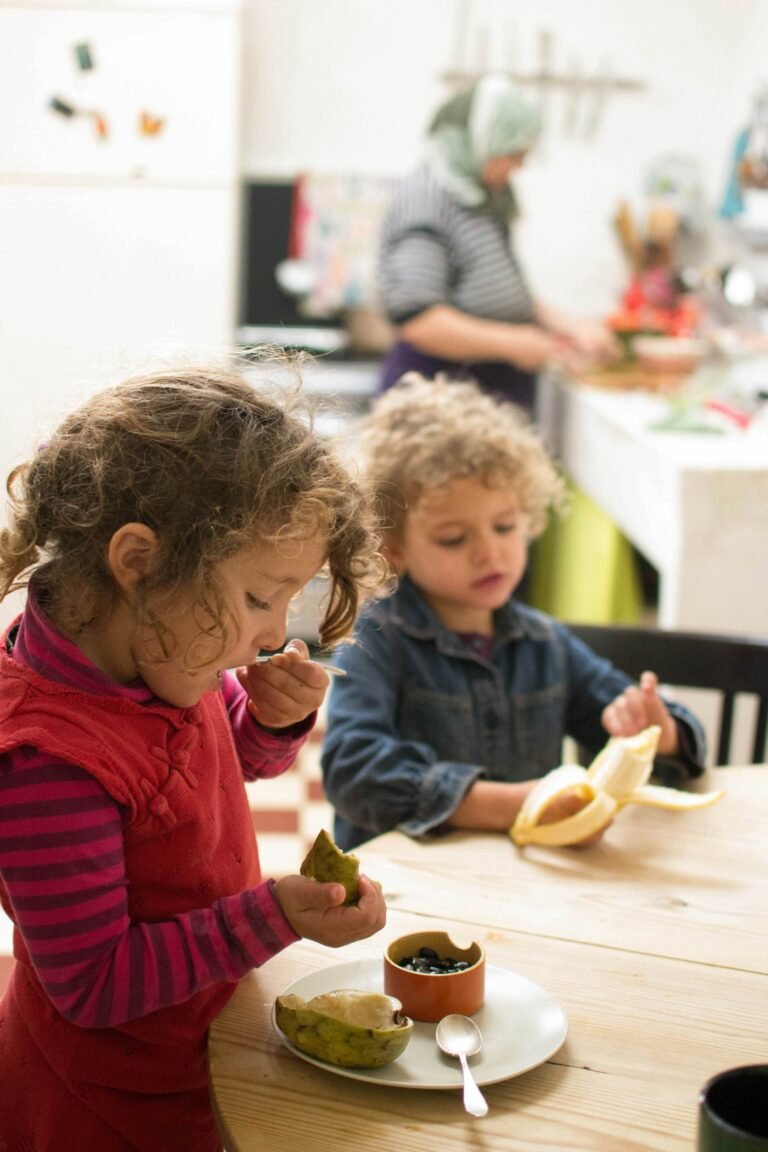
Kids share people and places they care about, but they don’t always want the same things or have the same abilities. A toddler might want to be with you, while an older sibling wants some space. One child might think a later bedtime means you have a favorite.
New babies, changes in the family, and different care needs can all cause tension. Listen to what each child is upset about instead of assuming every argument is just about jealousy.
Family therapist Dennis Neill writes, “Try not to make everything the same for all children.” His guidance on sibling rivalry encourages explaining different expectations instead of treating identical rules as the only kind of fairness.
12 ways to handle sibling rivalry
1. Stop unsafe behavior immediately
If one child is hitting or threatening, separate them right away. Check on the child who was hurt first. Be clear and direct: “I won’t let you hit.” Talk about the toy only after everyone is safe.
2. Give each child a chance to speak
For a typical disagreement, ask what happened and what each child needs. Keep it simple—one sentence at a time is enough. Give the toddler simple words to use, and encourage the older child to suggest a solution.
3. Describe actions without assigning roles
Instead of saying ‘You’re the troublemaker,’ say ‘You knocked down the tower.’ Avoid labeling one child as the victim, peacemaker, or responsible older sibling. Focus on what happened today and any harm you noticed.
4. Make the boundary specific
Pick a few family rules that kids can follow, like asking before borrowing, stopping when someone says stop, and getting an adult if they feel unsafe. Practice these rules together during a calm moment.
5. Separate personal belongings from shared supplies
Use labeled baskets for each child’s toys and one box for shared items. Decide ahead of time which things need permission to use. A child doesn’t have to give up a special possession just because a sibling asks.
6. Make a turn plan before the argument
If kids share something like a scooter, decide who goes first, how turns will end, and what the waiting child can do. You can use a timer. Stick to the plan instead of renegotiating every time someone protests.
7. Protect a little individual time
Spend time with each child in a way they can count on, like reading together after dinner or chatting while folding towels. Choose something you can do regularly and let them know when you’ll be available.
8. Explain different needs plainly
“Your sister needs help with her shoes. You can ask for help too.” Give reasons without comparing their worth or maturity. Also, notice if one child gets more patience while the other is expected to manage alone.
9. Celebrate without comparing
Say “You’ve been working on that puzzle” instead of “Why can’t your brother concentrate like you can?” Let kids have different strengths and avoid turning grades, sports, or chores into a family competition.
10. Practice a way to pause
Offer the words “I need space” and show where a child can go to take a break. For the children who are willing to do so, the short meditation for kids scripts can be used as a quiet activity later on. Listening to their complaint is still very much important.
11. Make room for cooperation
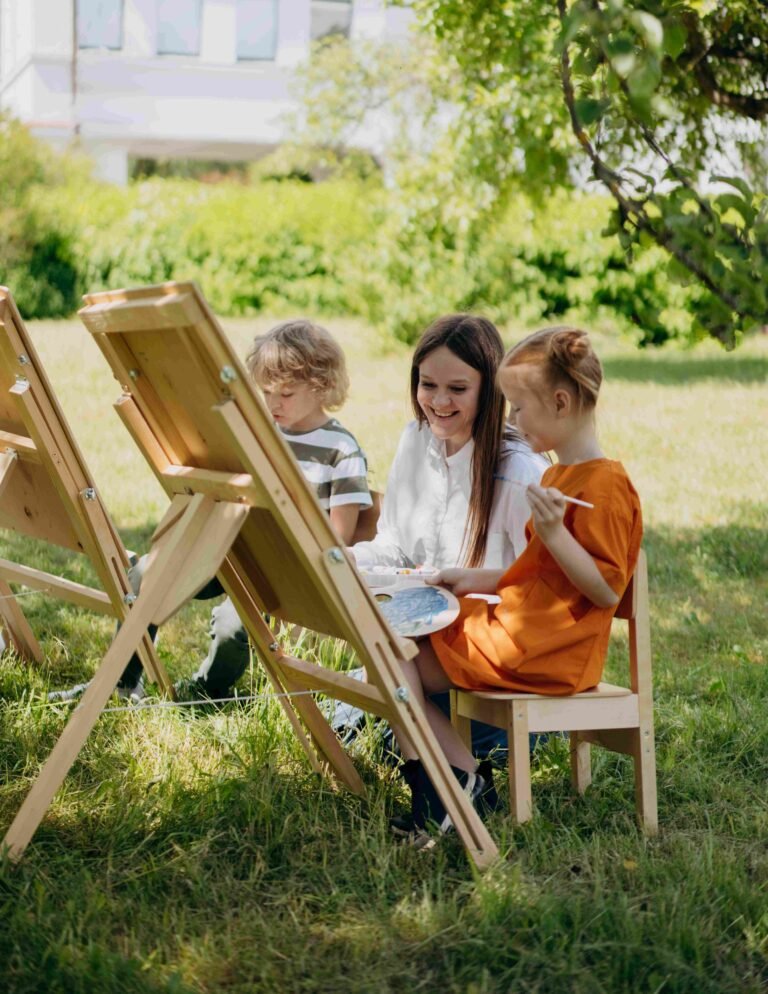
Try activities like shared drawing or building where everyone takes part. The American Academy of Pediatrics recommends teamwork games when rivalry makes competition hard. Use family game night ideas that help kids work toward a common goal.
12. Review the recurring problem
If arguments often happen in the same place or at the same time, change something practical. For example, set up a separate homework area or put unfinished projects on a safe shelf. Check back after a few days instead of expecting one talk to fix everything.
What to say in six common sibling fights
These are example scripts, not real quotes from a therapist. Make them shorter for younger kids, and then follow up with the action you just described.
| The conflict | Words to try |
| Grabbing a toy | “Give the truck back. Ask whether you can use it when she’s finished.” |
| Different bedtimes | “Your bedtimes are different because your sleep needs are different. We can talk about your routine tomorrow.” |
| Feeling overlooked | “You wanted time with me too. I’m listening. Let’s choose when we can have our time today.” |
| Name-calling | “Calling him stupid isn’t okay. Tell me what you wanted him to stop doing.” |
| Entering a bedroom without permission | “Come out and knock. If she says no, we’ll find somewhere else for you to play.” |
| Pushing or hitting | “Stop. Move apart. I’m checking that everyone is safe, then I’ll help with what happened.” |
When sibling conflict needs more help
Take fear, injury, threats, and repeated intimidation seriously. Don’t tell a child to stop being sensitive or say they’re responsible for stopping another child’s aggression.
The University of New Hampshire’s sibling conflict guidance makes it very clear that mediation can actually exacerbate the harm in a situation where there is a power imbalance. Take a child’s report of being hurt seriously. Arrange for supervision and safe separation. If you have any reason to suspect abuse, get a pediatrician or a qualified mental health professional involved. If there is an immediate danger then of course you need to get local emergency help.
For everyday disagreements, start with the one that happens most often. Decide what the kids should do, show them how, and make the next time easier—like setting up two drawing spaces, a borrowing rule, or a clear turn plan.
Sources
- American Academy of Pediatrics: Sibling Relationships: How to Help Your Kids Build Healthy Bonds, updated April 6, 2026.
- Dennis Neill, family therapist: Sibling Rivalry, dated October 2012. Short quotation reproduced from his published handout; not an interview. Professional background checked on his practice website.
- University of New Hampshire, SAARA: Recommendations for Parents on Managing Sibling Conflict and Aggression, April 22, 2023.