Morning Routine for Kids: Checklist and Printable Chart
One shoe is missing, breakfast is half-eaten, and the bag is still upstairs. When everything needs to be done at once, telling a child to…
One shoe is missing, breakfast is half-eaten, and the bag is still upstairs. When everything needs to be done at once, telling a child to ‘Get ready’ doesn’t give them much direction.
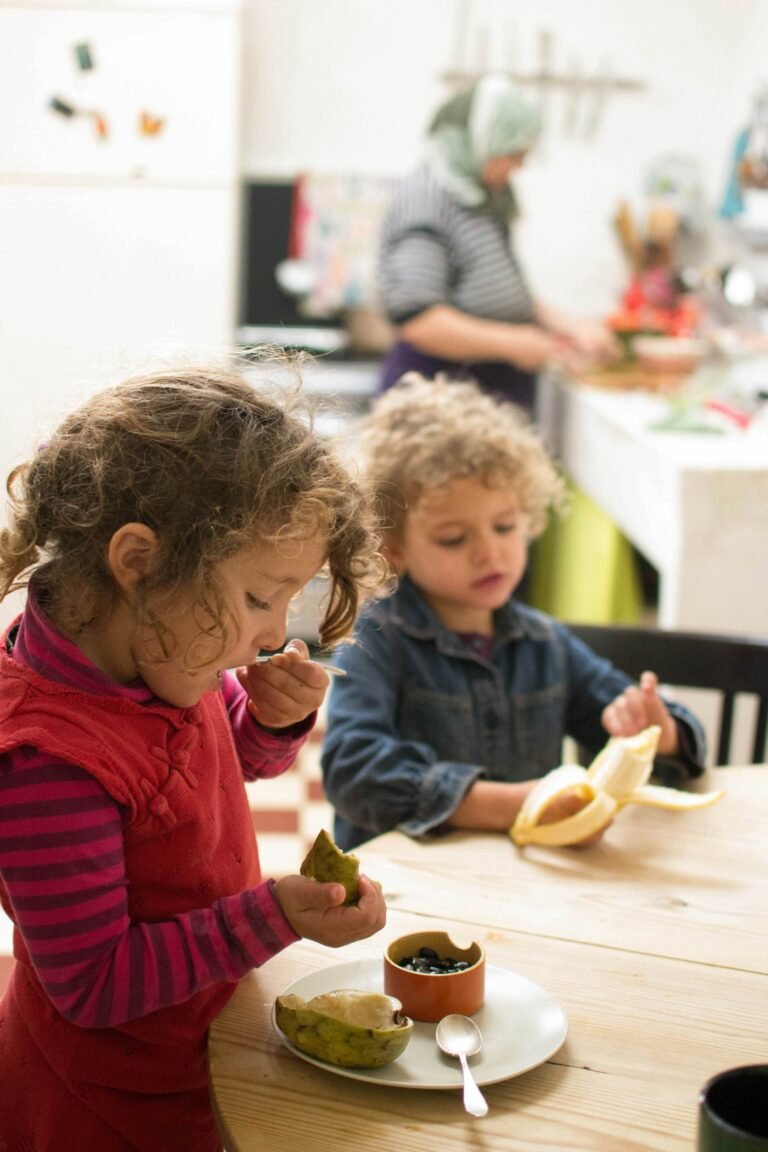
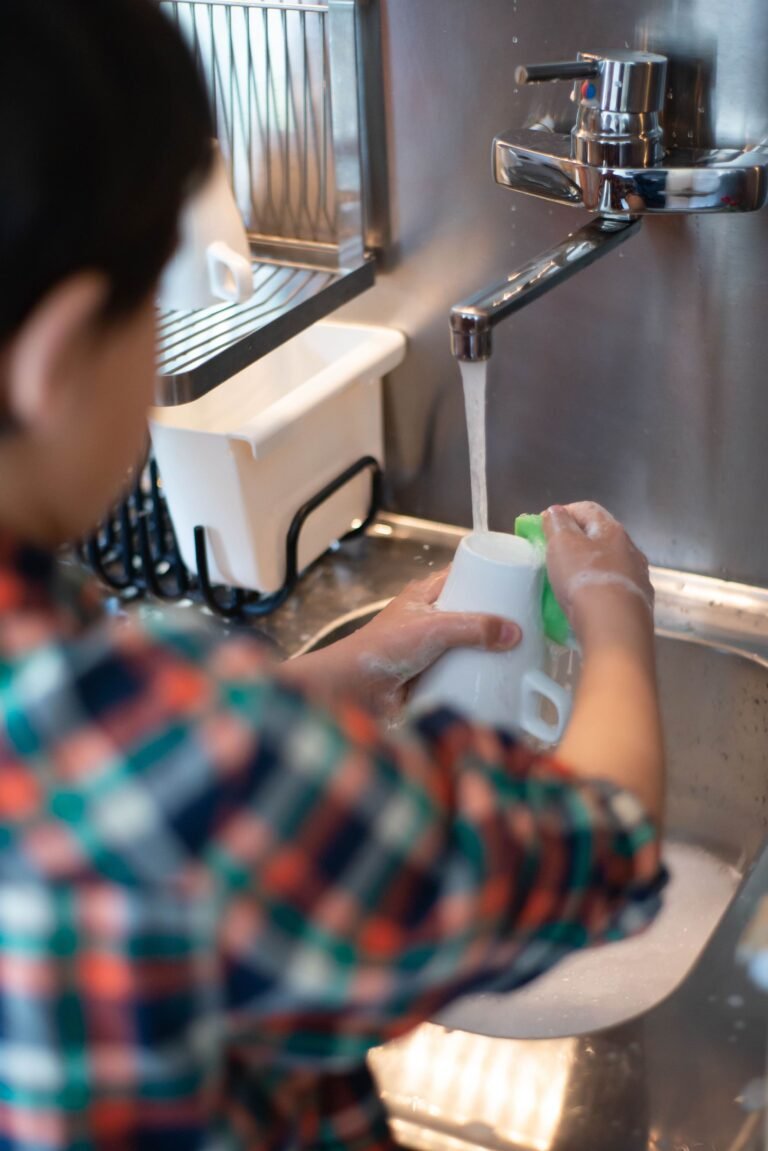
A morning routine for kids works best as a simple sequence: get up and use the bathroom, get dressed, eat, brush teeth, check the bag, put on shoes, and go. Choose a realistic time to leave and plan backward from there. Show your child each step one at a time.
Start with the time you need to leave
Write down the time you need to leave, including the walk to the bus stop or school gate. Then, observe a typical morning. How long does breakfast really take? Who uses the bathroom at the same time?
Plan your routine based on those answers. If your child needs help with buttons, make sure to include that time in the schedule. If mornings are always running late, adjust the plan instead of just asking everyone to hurry.
CDC guidance on routines focuses on sensible, age-appropriate steps. The example below is just a planning tool and can’t guarantee your child will get dressed on time or by themselves. For the rest of the day, connect it with your child’s usual routine.
A seven-step morning routine checklist
Stick with the order that works best for your family. Some kids like to eat breakfast before getting dressed, especially if they tend to get messy, while others prefer to get dressed right away.
| Step | What your child does | Where an adult may help |
| 1. Wake up and bathroom | Get up, use the toilet and wash hands. | Offer a gentle wake-up and toileting help. |
| 2. Get dressed | Put on the clothes set out earlier. | Help with fastenings or uncomfortable clothing. |
| 3. Eat breakfast | Sit down, eat and have a drink. | Prepare food and provide age-appropriate supervision. |
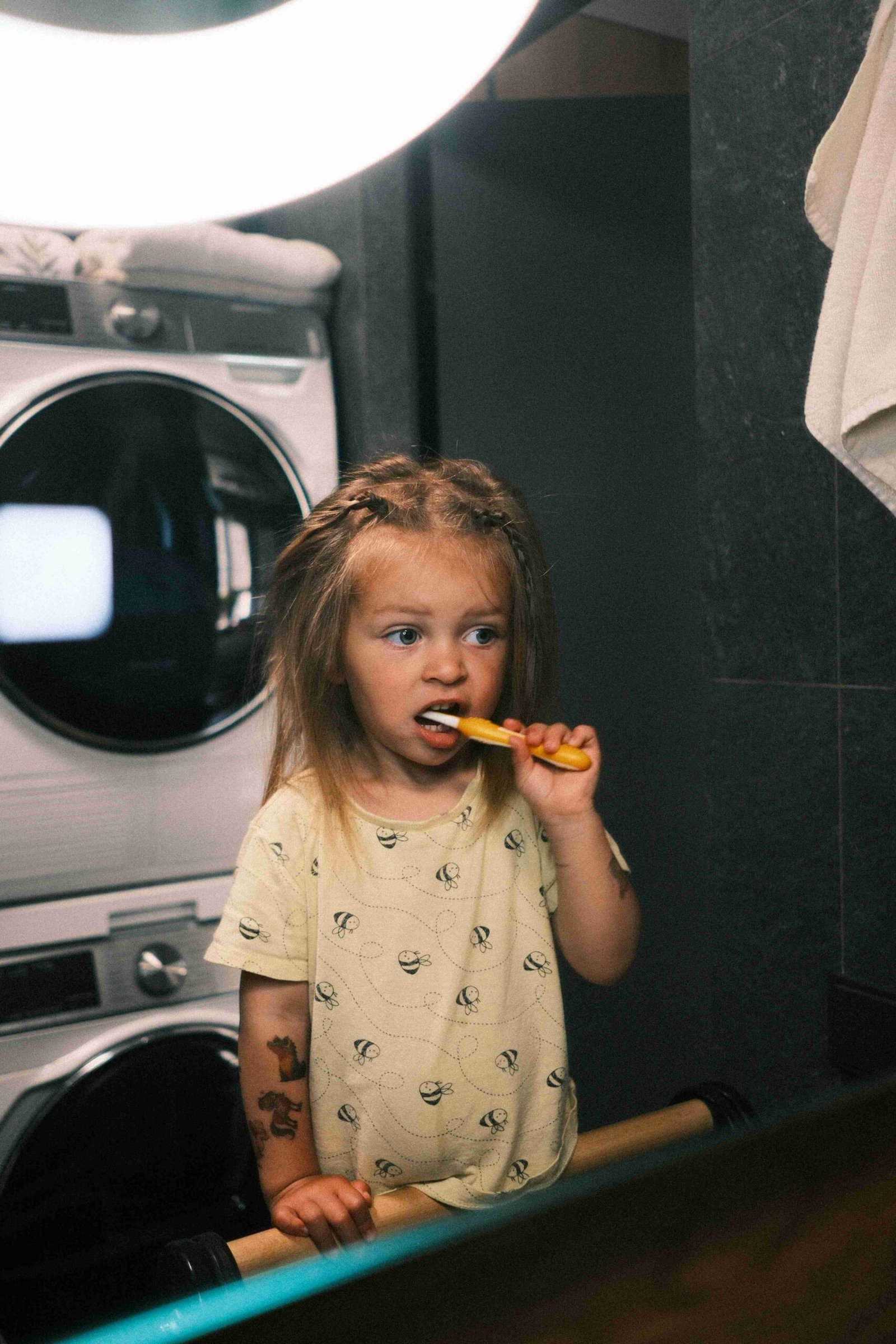
| 4. Brush teeth | Brush with fluoride toothpaste. | Help until brushing skills are reliable. |
| 5. Check the bag | Check lunch, water and today’s essentials. | Add refrigerated food and review school messages. |
| 6. Shoes and outerwear | Put on suitable shoes and weather clothing. | Help with laces, zippers or mobility needs. |
| 7. Leave together | Meet the responsible adult at the door. | Check the route and supervise departure. |
For brushing teeth, follow your dentist’s advice. The CDC suggests brushing twice a day with fluoride toothpaste for both kids and adults until good brushing habits are established. Checking off a chart box doesn’t replace this.
Sample timings by age
These are just example time allowances, not strict standards. Kids of the same age may need very different levels of support. Adjust the routine as needed for disabilities, sensory needs, toileting, medical care, and your family’s actual schedule.
| Activity | Ages 3–5 | Ages 6–9 | Ages 10–12 |
| Wake up and bathroom | 10 minutes | 5 minutes | 5 minutes |
| Get dressed | 10 minutes | 10 minutes | 5 minutes |
| Breakfast | 20 minutes | 15 minutes | 15 minutes |
| Brush teeth and wash | 5 minutes | 5 minutes | 5 minutes |
| Bag, shoes and outerwear | 5 minutes | 5 minutes | 5 minutes |
| Extra time for interruptions | 10 minutes | 10 minutes | 10 minutes |
| Total planning allowance | 60 minutes | 50 minutes | 45 minutes |
If you need to leave at 8:00, the examples would start at 7:00, 7:10, and 7:15. Shared bathrooms or extra care tasks will take more time. Don’t cut into your child’s sleep to fit these times; instead, adjust your evening and morning routines.
Use the printable picture chart
Download the morning routine picture checklist. It includes seven illustrated steps, big checkboxes, and space for your child’s name and departure time. Print it at actual size, or choose ‘fit’ if your printer needs bigger margins.
Go through the pictures together when you have time. Place the chart somewhere your child can see it and point to the current step. If the whole page feels overwhelming, cover the later rows. Your child can check off a box after finishing each task, with as much help as they need.
If a picture is unclear, label it together or attach a familiar photo. A reusable sleeve lets you wipe the checkmarks away for tomorrow. Keep household jobs on a separate kids chore chart if adding them makes this sequence crowded.
Move a few decisions to the evening
Lay out clothes, match shoes, and check papers before bed. The AAP recommends setting out clothes the night before so young children can focus on getting dressed in the morning.
Pick breakfast from two simple options. You can make these meals quickly or prepare them ahead of time. Keep perishable lunch items in the fridge until you’re ready to pack them, and leave a note by the bag instead of putting food in it overnight. Put library books, sports kits, and permission slips by the bag on the evenings they’re needed.
When the routine stalls
Sometimes your child may just sit and wait for reminders. Give the next instruction, like “Put your socks on.” CDC guidance for toddlers and preschoolers recommends giving clear instructions and only a few choices. For example, “Blue shirt or green shirt?” works better than “What’s in the wardrobe?”
One step is going to be a source of distress. You need to ask about that step. A sock seam, a sore tooth or a worry about school are going to need a different response to a missing pencil. You offer practical help. An optional phrase from one of these morning affirmations for kids can be added to the support, without the child necessarily having to sound cheerful.
Mornings are still difficult. If you are experiencing persistent fatigue, pain, significant distress or are frequently avoiding school then you need to talk to your pediatrician and school team. A checklist won’t tell you why.
Use the chart for several mornings, then adjust one of the slow steps. If putting on shoes takes ten minutes, allow that time and see why. The plan for tomorrow should be made with your child’s input.
Sources
- CDC: Tips for Relying on Routines and Rules, April 30, 2026. Guidance is specifically for toddlers and preschoolers; the older-child examples here are editorial planning suggestions.
- CDC: Tips for Giving Directions, April 30, 2026.
- CDC: Oral Health Tips for Children, May 15, 2024.
- American Academy of Pediatrics: Growing Independence: Tips for Parents of Young Children, updated November 2, 2009. Used narrowly for preparing clothes in advance; no older screen-time advice is adopted.