Marshmallow Plant: Benefits, Uses, and How to Grow It
The marshmallow plant has been part of family wellness and herbal care for a long time. For centuries, people have used this gentle herb to…
The marshmallow plant has been part of family wellness and herbal care for a long time. For centuries, people have used this gentle herb to soothe sore throats, help with digestion, and calm irritated skin. Unlike the sweet marshmallow candy, the plant itself is a real herb with helpful natural compounds. Today, more families are turning to the marshmallow plant as they look for simple, natural ways to support their health.
This article explains what the marshmallow plant is, how it works, its benefits, and how you can use and grow it safely at home.
What Is the Marshmallow Plant?
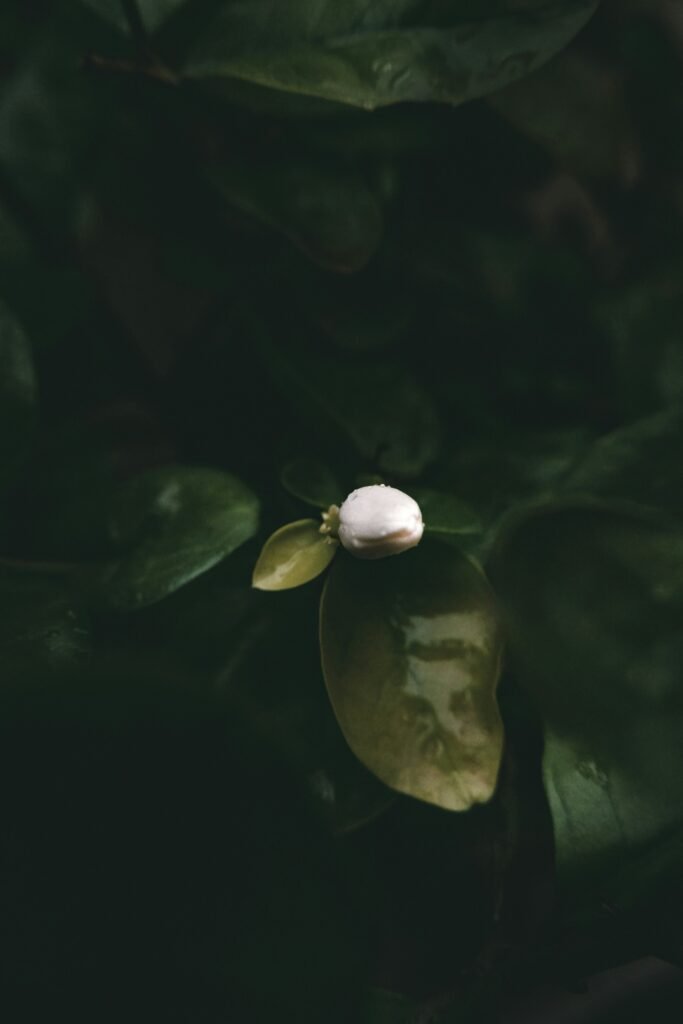
The marshmallow plant, or Althaea officinalis, is a flowering herb that grows in Europe, Western Asia, and North Africa. It does well in damp soil and has been used in traditional medicine for more than 2,000 years. Ancient Greek and Roman doctors appreciated its soothing effects.
People mostly use the root of the marshmallow plant, but the leaves and flowers are also helpful for health. The plant contains mucilage, a thick, gel-like substance that coats and protects tissues.
Identifying the Marshmallow Plant
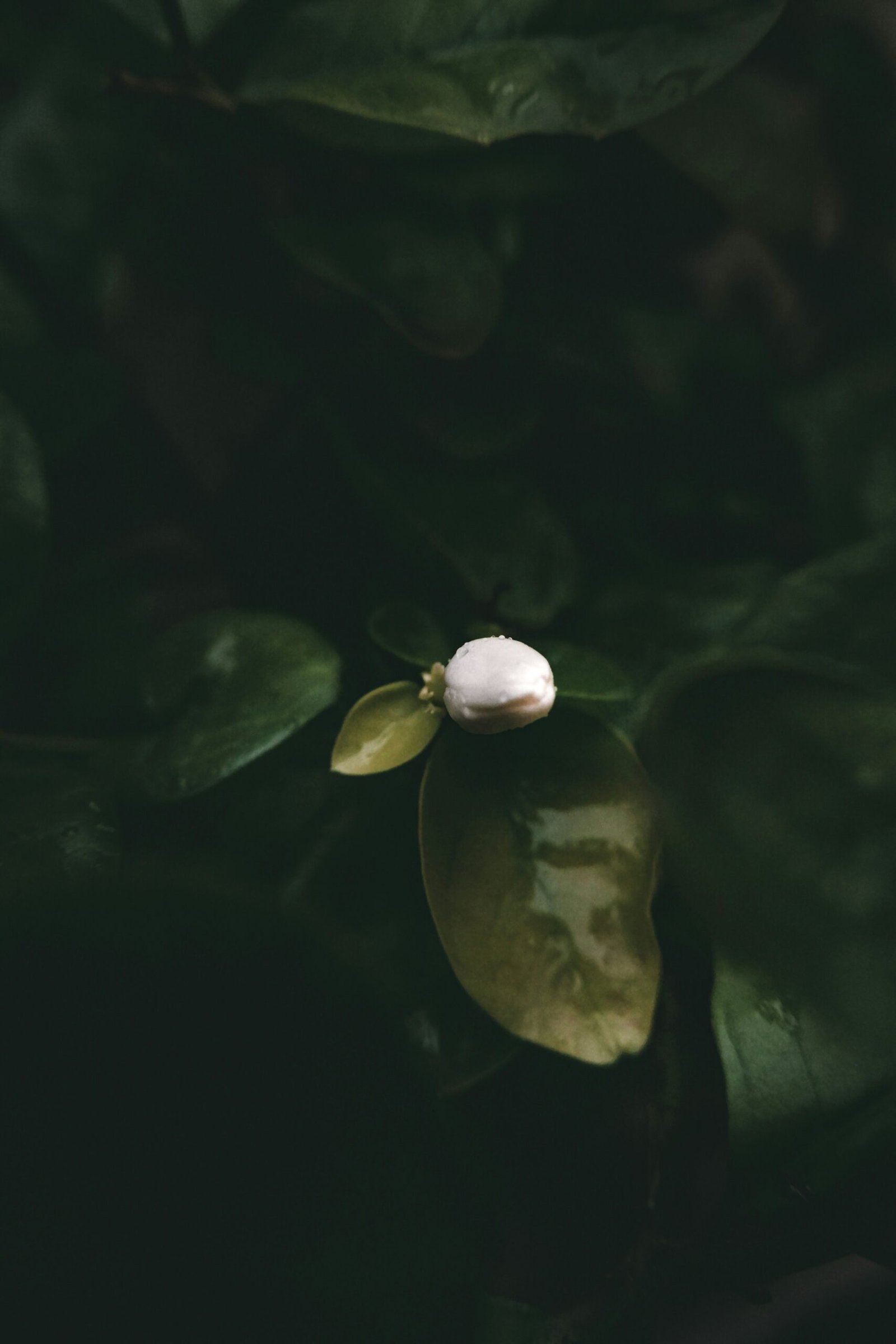
The marshmallow plant can grow up to four feet tall. It has soft, gray-green leaves with fine hairs and prominent veins, giving them a velvety texture. In summer, it produces pale pink or white, five-petaled flowers with darker centers that attract pollinators. Its roots are thick, white, and a bit spongy.
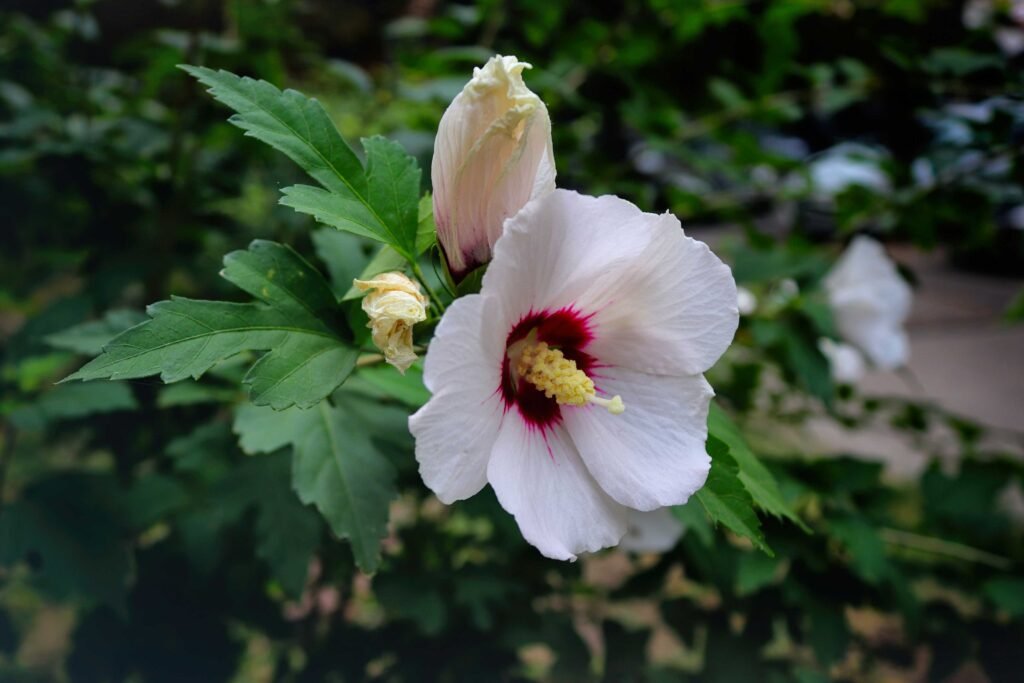
Many people confuse the marshmallow plant with ornamental hibiscus, but the marshmallow plant’s velvety, gray-green leaves and preference for wetter soil distinguish it. Hibiscus leaves are usually smoother and darker green. Careful identification is important if you plan to grow or harvest the marshmallow plant for wellness use.
Health Benefits of the Marshmallow Plant
The marshmallow plant is most famous for its soothing and protective effects. Modern research supports many of the ways it has been used in the past.
Relieves Coughs and Throat Irritation
The mucilage in the marshmallow plant coats the throat and reduces irritation. This action helps calm dry coughs and sore throats. A review published in the journal Complementary Medicine Research found that mucilage-rich herbs help reduce throat inflammation and coughing by forming a protective layer on mucous membranes (https://pubmed.ncbi.nlm.nih.gov/28724197/).
Because of this, marshmallow plant tea is a gentle choice for both adults and children when used properly.
Supports Dry Mouth and Digestive Comfort
The mThe marshmallow plant can also help with dry mouth and digestive discomfort. Its mucilage protects the lining of the stomach and intestines. According to research in Phytotherapy Research, marshmallow root extract has protective effects on the stomach lining (https://pubmed.ncbi.nlm.nih.gov/25988887/). People often use the marshmallow plant to ease heartburn, mild gastritis, and digestive irritation.
Helps Protect Against Stomach Ulcers
Animal studies suggest that the marshmallow plant may help protect against stomach ulcers. One study in the Journal of Ethnopharmacology found that Althaea officinalis reduced ulcer formation by supporting the stomach’s protective barrier (https://pubmed.ncbi.nlm.nih.gov/20398774/). Findings support its traditional use.
Soothes Skin Irritation
The marshmallow plant is helpful for skin care. Its anti-inflammatory and moisturizing effects can calm eczema, rashes, and minor burns. The European Medicines Agency recognizes marshmallow root for easing skin and mucous membrane irritation (https://www.ema.europa.eu). Families often use marshmallow plant salves for sensitive or dry skin.
Supports Wound Healing
When used on the skin, the marshmallow plant may help wounds heal. Its polysaccharides keep wounds moist and protected, helping the body repair tissue and making healing more comfortable. To use the Marshmallow Plant.
The marshmallow plant is easy to use at home if you prepare it properly. People use it both internally and externally.
Marshmallow Root Tea
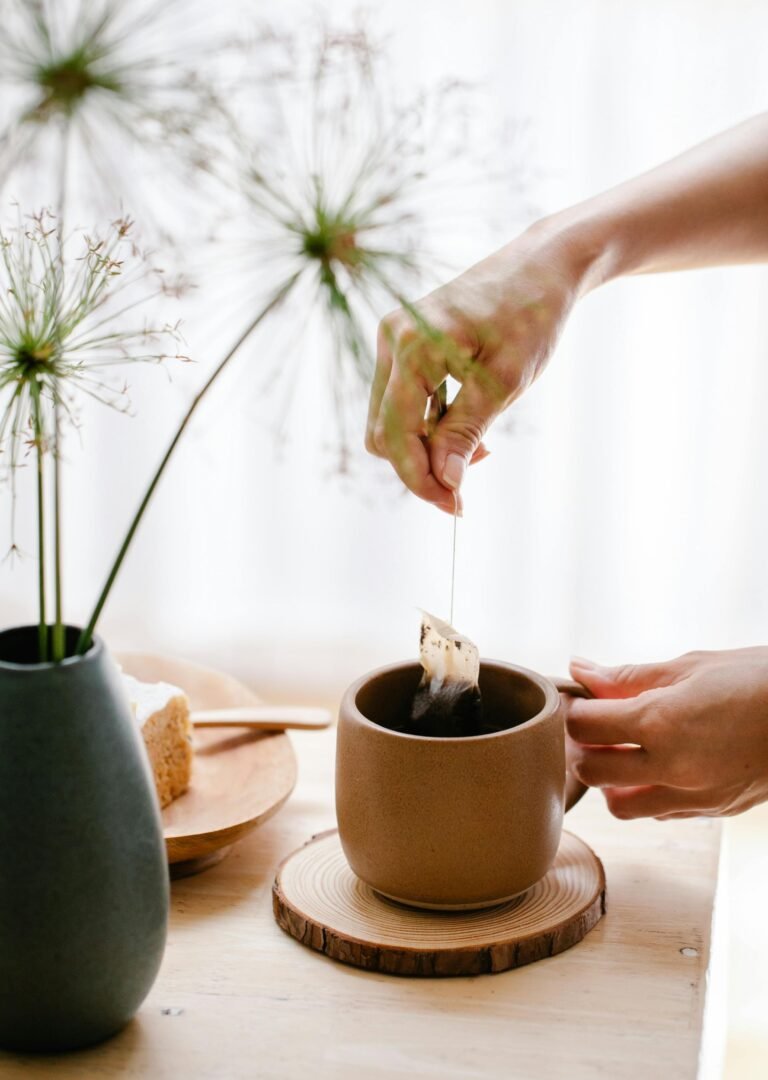
One of the most popular ways to use the marshmallow plant is to make tea.
Hot Infusion Method
Hot infusion is best for general wellness. Add one tablespoon of dried marshmallow root to hot water, let it steep for 10 minutes, then strain before drinking.
Cold Infusion Method
Cold infusion keeps more mucilage in the tea. Soak marshmallow root in cold water for 4 to 8 hours. This method is especially good for throat and digestive problems.
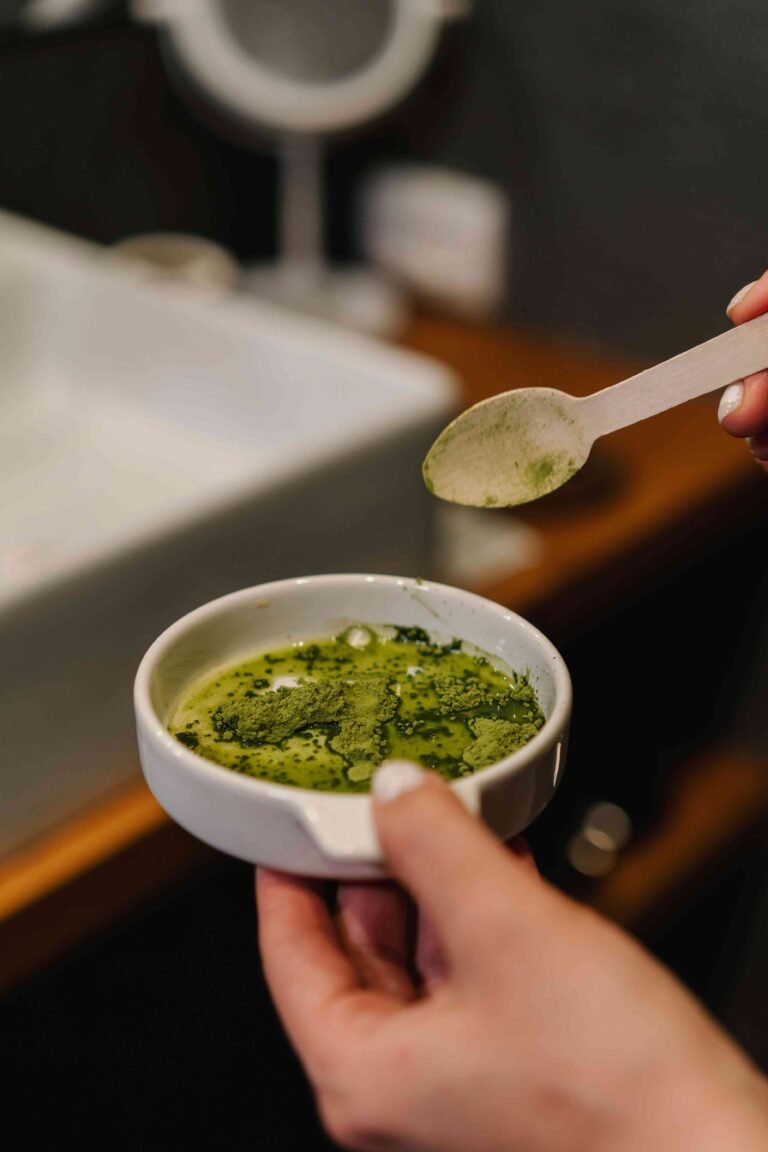
Using Marshmallow Root Powder
You can mix it into smoothies or take it in capsules. It can also be made into a paste for the skin. Always follow dosage advice from a qualified herbalist.
Marshmallow Skin Salve
To make a simple salve, soak the marshmallow plant root in oil and then mix it with beeswax. This salve can help soothe dry or irritated skin.
How to Grow Marshmallow Plant at Home
Growing a marshmallow plant at home lets families enjoy fresh, organic herbs.
Growing from Seed
Marshmallow plant seeds grow better if you chill them first. Put the seeds in the refrigerator for 2 to 4 weeks before planting.
Soil and Sun Needs
The marshmallow plant likes moist, rich soil and grows best in full sun or partial shade. Water it regularly to help it thrive.
Growing from Root Division
Root division is a quicker way to grow marshmallow plants than starting from seed. In early spring, divide mature roots and plant them directly in the soil. the soil.
Harvesting the Marshmallow Plant
Harvest marshmallow plant roots in the fall when the plant is dormant. Clean and dry the roots carefully to keep their active compounds. You can pick the leaves and flowers in summer.in summer.
Safety and Side Effects
The marshmallow plant is generally safe. However, its mucilage may slow the absorption of medications. Experts recommend taking medications at least 1 hour before or after using the marshmallow plant (https://www.ncbi.nlm.nih.gov/books/NBK548418/).
If you are pregnant or breastfeeding, talk to a healthcare professional before using the marshmallow plant. Educational Video Resource
For a helpful visual guide, watch this video from Herbal Academy. It explains how to use and prepare marshmallow root:
Conclusion
The marshmallow plant is a gentle, effective herb with a long history in traditional wellness. It can soothe coughs, calm digestion, and help with skin care, offering family-friendly support that research is starting to confirm. Whether you drink it as tea, use it on your skin, or grow it at home, the marshmallow plant is a valuable part of natural wellness.
References
- PubMed – Marshmallow root and mucilage research
https://pubmed.ncbi.nlm.nih.gov/28724197/ - Journal of Ethnopharmacology – Althaea officinalis and ulcers
https://pubmed.ncbi.nlm.nih.gov/20398774/ - Phytotherapy Research – Digestive protection studies
https://pubmed.ncbi.nlm.nih.gov/25988887/ - European Medicines Agency – Herbal monograph
https://www.ema.europa.eu - National Center for Biotechnology Information – Safety overview
https://www.ncbi.nlm.nih.gov/books/NBK548418/