Ways to Use Stinging Nettles for Health and Home Benefits
Stinging nettles may seem like an unassuming weed, but they are packed with benefits that make them worthy of your attention. You can use stinging…
Stinging nettles may seem like an unassuming weed, but they are packed with benefits that make them worthy of your attention. You can use stinging nettles in various ways, including making nourishing teas, adding them to soups, or even incorporating them into skincare routines.
This versatile plant not only adds flavor to your dishes but also offers a range of health benefits.
If you’re curious about how to incorporate these nutritious greens into your life, you’ll find that the options are endless. From wild edibles to herbal remedies, stinging nettles can be a delightful addition to your kitchen and wellness routine.
Embrace the opportunity to discover new recipes and uses that will enhance both your cooking and your health.
Dive deeper into the world of stinging nettles and learn how you can transform this often-overlooked plant into a vibrant part of your lifestyle. With a little creativity, you’ll soon appreciate the richness and wellness benefits this remarkable herb can bring.
Historical Use of Stinging Nettles
Stinging nettles have a rich history of use that spans culinary, textile, and medicinal applications. These uses highlight the plant’s versatility and significance in various cultures throughout time.
Culinary Traditions
In many cultures, stinging nettles have been a staple in the diet. They are often consumed as a nutritious vegetable, featuring prominently in soups, stews, and teas.
Historical records reveal that nettles were used in medieval Europe as a source of sustenance. They were cooked similarly to spinach, providing essential vitamins and minerals.
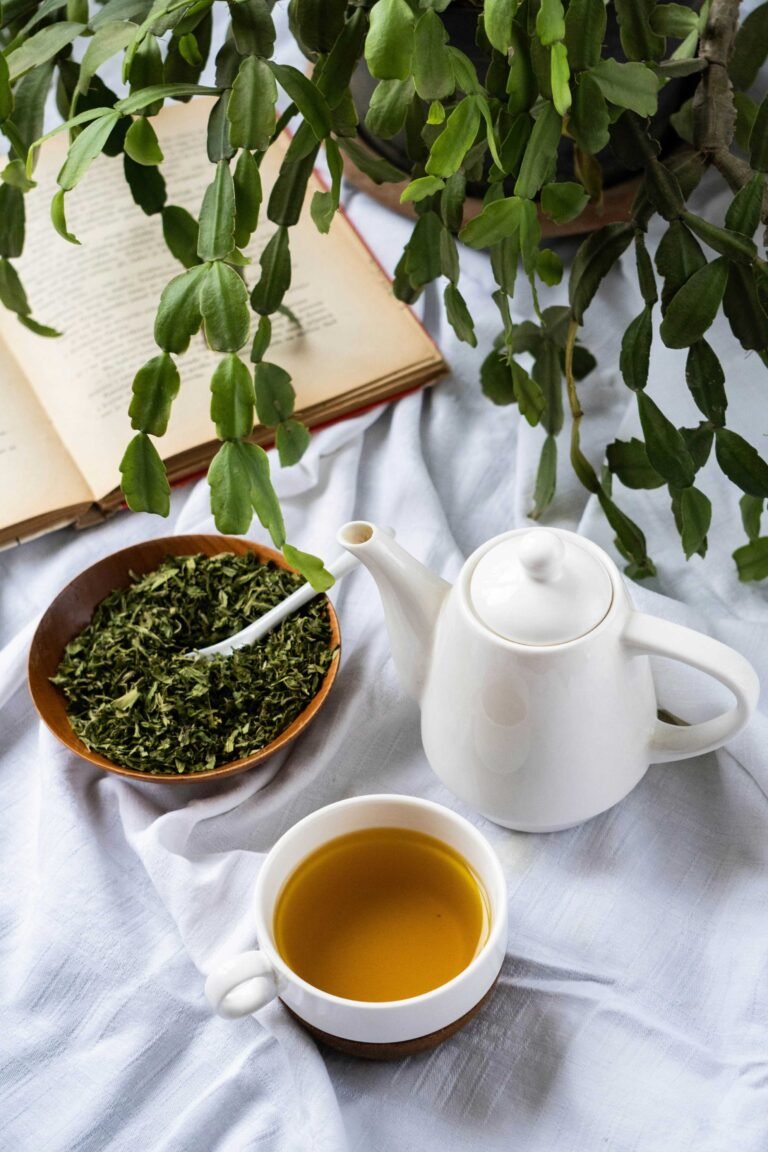
Nettles can also be dried and brewed into a nourishing tea known for its health benefits. In some regions, they are used in traditional recipes to enhance flavor and nutrition.
Indigenous peoples have also utilized nettles for centuries, often incorporating them into their diets to maximize food resources.
Textile Production
Nettles have played a crucial role in textile production throughout history. In ancient times, fibers extracted from the plant were used to create durable fabrics.
The process of harvesting and processing nettle fibers was labor-intensive but resulted in strong materials suitable for clothing and other textiles.
Nettle fiber has been noted for its eco-friendliness and biodegradability compared to synthetic fibers. Today, there is a resurgence of interest in sustainable practices, making nettle fibers attractive for modern textile applications.
Contemporary brands are reviving these ancient techniques, promoting both sustainability and heritage.
Medicinal Applications
The medicinal use of stinging nettles dates back thousands of years. They have been recognized for their diuretic properties, helping to rid the body of excess water, while offering relief from conditions such as arthritis and joint pain.
Ancient texts from Europe detail these uses, showcasing nettle’s importance in herbal medicine.
Nettles are packed with vitamins A, C, and K, as well as minerals like iron and calcium, making them beneficial for overall health. Historically, they have also been applied topically to treat various skin conditions. Today, nettle supplements are popular for their potential health benefits, reflecting a long-standing tradition of using this plant for wellness.
Health and Nutritional Benefits
Stinging nettles are not just a wild plant; they offer incredible health and nutritional benefits you’ll want to know about. From essential vitamins and minerals to their anti-inflammatory properties, these leaves can be a valuable addition to your diet.
Vitamins and Minerals
Stinging nettles are packed with essential nutrients. They are an excellent source of vitamins A, C, K, and several B vitamins.
- Vitamin A: Important for your vision and immune function.
- Vitamin C: Boosts your immune system and helps your body absorb iron.
- Vitamin K: Supports bone health and aids in blood clotting.
Additionally, nettles contain key minerals like calcium, iron, magnesium, and potassium. These nutrients work together to support your overall health and reduce the risk of chronic diseases.
For instance, calcium and magnesium contribute to healthy bones, while iron is crucial for preventing anemia.
Anti-Inflammatory Properties
The anti-inflammatory properties of stinging nettles can be beneficial for those experiencing conditions like arthritis or muscle pain.
Research suggests that compounds found in nettles, such as flavonoids and phenolic acids, can help reduce inflammation in the body. This can provide relief from swelling and discomfort associated with various ailments.
Incorporating stinging nettles into your diet may ease symptoms of allergies and help manage chronic inflammatory conditions. You can use them in soups, teas, or salads for a nutritional boost.
Natural Diuretic Effects
Stinging nettles also act as a natural diuretic, which means they promote urine production. This can be helpful for flushing out toxins and reducing water retention.
The diuretic properties can aid in managing urinary tract infections and support kidney health.
Using stinging nettles in tea or cooked dishes can facilitate these benefits while providing essential nutrients. Just remember to stay hydrated when consuming diuretics, as this helps your body function optimally.
Culinary Delights
Stinging nettles are not just a wild green; they can be a delightful addition to your culinary repertoire. From comforting teas to unique recipes, you can explore various ways to enjoy this nutritious plant.
Nettle Tea Preparation
Making nettle tea is a simple process that brings out the herb’s beneficial properties. Start by gathering fresh nettle leaves. Ensure you’re wearing gloves during this step to avoid the stinging sensation.
Ingredients:
- 1 cup fresh nettle leaves
- 4 cups water
Instructions:
- Boil the water in a pot.
- Add the nettle leaves once boiling and let them steep for 10-15 minutes.
- Strain the leaves and enjoy your tea hot or iced.
You may also add honey or lemon for flavor, enhancing its soothing qualities.
Cooking with Nettle Leaves
Nettle leaves can be a versatile ingredient in your kitchen. They can be used in various dishes after being properly prepared.
Preparation:
- Blanch the nettle leaves in boiling water for 2-3 minutes.
- Shock them in cold water to preserve their color and nutrients.
Usage:
- Sautéing: Add to sautéed vegetables or alongside garlic and olive oil for a tasty side.
- Soups: Blend into creamy soups for added nutrition and flavor.
You can also incorporate them into pasta or rice dishes for an earthy touch.
Innovative Nettle Recipes
Think beyond traditional dishes. Nettles can be used creatively in many recipes.
Nettle Pesto: Blend blanched nettles, garlic, nuts, Parmesan cheese, and olive oil for a vibrant pesto.
Nettle Soup: Sauté onions and garlic, then add potatoes and blanched nettles. Add vegetable broth and simmer until tender. Blend until smooth for a delicious soup.
Nettle Cake: Incorporate nettles into a cake batter for a unique twist on traditional flavors.
These recipes highlight the versatility of nettles and can impress your guests while introducing them to a new ingredient.
Gardening with Nettles
Using stinging nettles in your garden can have significant benefits. They play a crucial role in supporting local wildlife and can enhance your composting efforts.
Supporting Wildlife
Nettles provide habitat and food for a variety of wildlife, particularly beneficial insects. Butterflies and moths, such as the Red Admiral and Peacock, thrive on nettles. By planting nettles in your garden, you create a lovely haven for these creatures.
You can attract pollinators by ensuring a patch of nettles is included in your garden layout. These plants also serve as a natural pest deterrent, as they can help sustain the predator insects that keep pest populations in check.
Furthermore, nettles can be part of a biodiversity strategy, improving soil health and creating a more resilient garden environment.
Composting Benefits
Nettles are an excellent addition to your compost pile. Their high nitrogen content helps to speed up the composting process.
When added to a compost heap, they act as a natural activator, ensuring your organic material breaks down more efficiently.
To use nettles in composting, simply chop them up and mix them into your compost mixture. Aim for a balance between green materials (like nettles) and brown materials (such as dry leaves).
Incorporating nettles into your compost not only enriches the pile but also enhances the nutrients available for your plants once the compost is ready to use. It’s an easy way to recycle garden waste while benefiting your soil.
Natural Skincare Uses
Stinging nettles offer a variety of benefits for your skincare routine. Their natural properties can enhance your skin’s health and appearance in specific ways.
Soothing Balm Formulations
Nettle is known for its anti-inflammatory properties, making it an excellent ingredient in soothing balms. When used in balms, nettle can help alleviate skin irritations, redness, and inflammation.
To make a simple nettle balm:
- Gather Ingredients: Use dried nettle leaves, beeswax, and a carrier oil like coconut or olive oil.
- Infuse the Oil: Heat your oil gently with nettle leaves for approximately 30 minutes.
- Combine: Strain the mixture, melt the beeswax, and mix it with the infused oil.
- Cool: Pour into a container and let it solidify.
This balm can be applied directly to affected areas for relief.
Nettle Infused Oils
Creating nettle-infused oils is an effective skincare method. These oils capture the beneficial properties of nettles to nourish and revitalize your skin.
To make nettle-infused oil:
- Choose Your Oil: Olive oil is a popular choice due to its moisturizing properties.
- Prepare Nettle: Use fresh or dried nettle leaves, ensuring they are clean and dry.
- Infusion Process: Combine nettles and oil in a jar. Then, seal and leave in a sunny spot for about 2-4 weeks. Don’t forget to shake it occasionally.
- Strain: After the infusion period, strain out the nettles, and your oil is ready to use.
You can apply it as a moisturizer or add it to homemade lotions for added benefits.