Healing Spices: Cayenne Pepper and Its Benefits for Your Health
Cayenne pepper is not just a popular spice for adding heat to your meals. It also boasts impressive health benefits that can enhance your well-being….
Cayenne pepper is not just a popular spice for adding heat to your meals. It also boasts impressive health benefits that can enhance your well-being.
This vibrant spice is packed with antioxidants. It has been shown to support digestion, boost metabolism, and reduce inflammation.
Incorporating cayenne pepper into your diet can be an easy way to contribute to a healthier lifestyle. From causing a mild burn that can speed up your metabolism to its potential role in pain relief through capsaicin, this spice offers more than just flavor.
As you explore the fascinating world of cayenne, you’ll discover how ancient cultures have long recognized its medicinal properties. Get ready to learn how this healing spice can transform both your cooking and your health!
The Fiery History of Cayenne Pepper
Cayenne pepper has a rich history that stretches back centuries, rooted in ancient cultures and evolving through global trade. Understanding its origins and the journey it took to become a beloved spice can enhance your appreciation of its fiery flavor.
Origins and Cultivation
Cayenne pepper, derived from the Capsicum annuum species, originated in Central and South America. Indigenous peoples cultivated it long before the arrival of European explorers.
They used it not only as a spice but also for medicinal purposes.
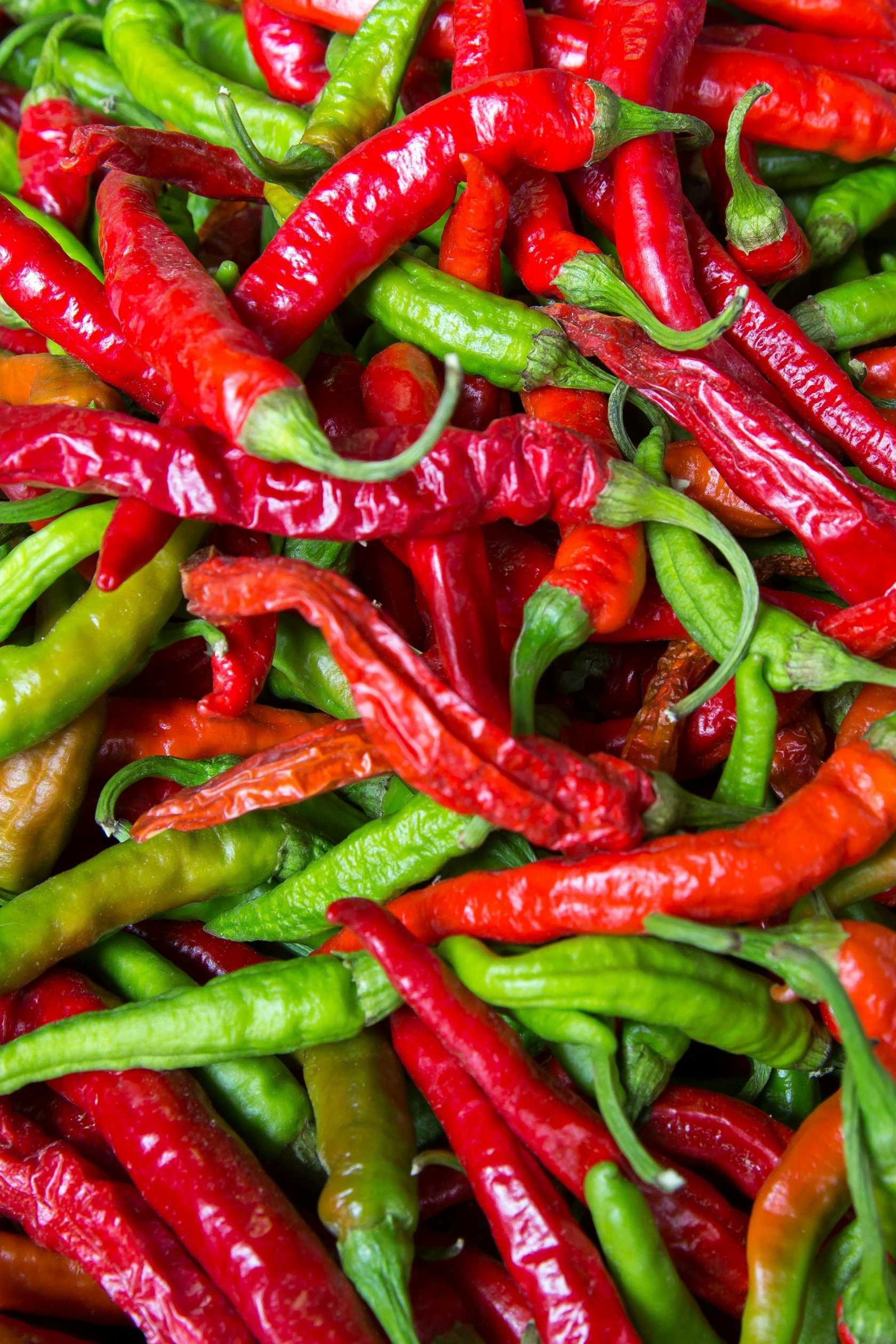
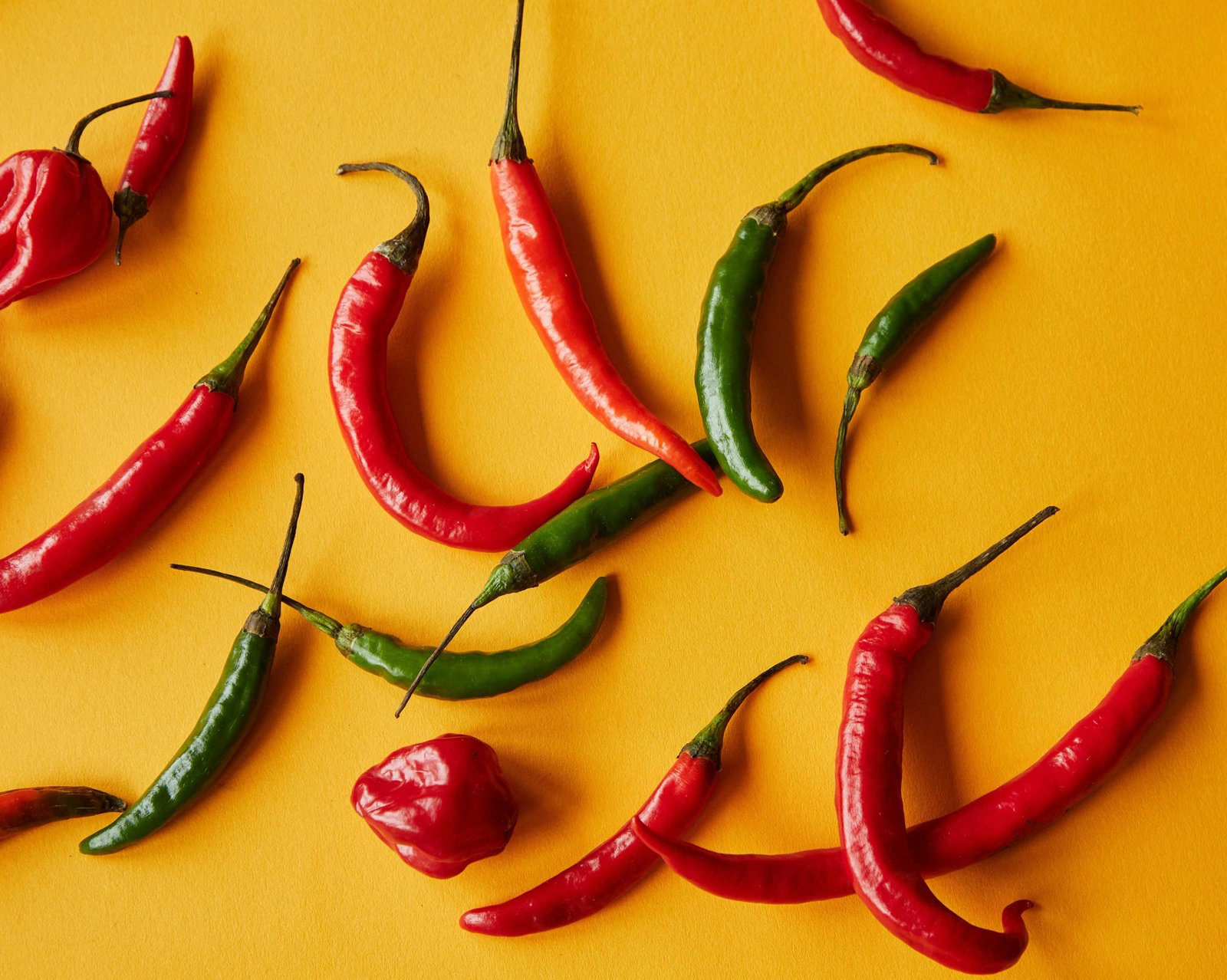
The pepper thrives in warm climates, requiring full sunlight and well-drained soil for optimal growth. Today, major producers include the United States, Mexico, and India, where vibrant red chilies are harvested at peak ripeness.
Global Spread and Culinary Uses
After Christopher Columbus encountered cayenne in the Americas, it quickly spread to Europe and beyond. By the 16th century, it became popular in various cuisines, providing heat and flavor.
Cayenne pepper enhances dishes across cultures, from spicy Mexican salsas to Indian curries. Its versatility allows it to shine in both savory and sweet recipes.
Whether sprinkled on roasted vegetables or blended into a spicy chocolate dessert, cayenne pepper adds a delightful kick to your meals.
In addition to culinary applications, it has also found a place in traditional medicine, praised for its potential health benefits. This multi-faceted spice surely deserves a spot in your kitchen pantry.
Health Benefits of Cayenne Pepper
Cayenne pepper is not just a flavorful addition to your meals; it offers a variety of health benefits that can enhance your well-being. From boosting metabolism to aiding digestion and providing pain relief, this spice plays an interesting role in your health journey.
Metabolism and Weight Loss
Cayenne pepper contains capsaicin, a compound known for boosting metabolism. This spicy ingredient can increase the rate at which your body burns calories, which may support weight loss efforts.
Research suggests that consuming cayenne can promote thermogenesis, a process where your body generates heat and burns more energy.
Incorporating cayenne into your meals can not only spice things up but can also potentially help you manage your weight more effectively.
- Capsaicin Benefits:
- Increases calorie expenditure
- May reduce appetite
- Supports fat oxidation
Pain Relief Properties
Cayenne pepper is often used in topical treatments for its analgesic properties. Capsaicin acts on pain receptors, helping to reduce the sensation of pain.
This can be especially beneficial for conditions like arthritis or muscle soreness.
When applied as a cream or patch, capsaicin can provide relief from chronic pain by blocking the neurotransmitter responsible for sending pain signals to the brain. Utilizing cayenne in this way can offer a natural alternative for pain management.
- Potential Uses:
- Arthritis relief
- Muscle soreness
- Migraines
Digestive Health
Cayenne pepper doesn’t just heat up your dishes; it can also stimulate digestion. The capsaicin in cayenne enhances the production of digestive fluids, including saliva and stomach acids, which can improve your overall digestive process.
Moreover, the antioxidant properties of cayenne may help in reducing inflammation within the gastrointestinal tract. This makes it easier for your body to absorb nutrients and maintain gut health.
- Benefits for Digestion:
- Boosts digestive fluid production
- Supports nutrient absorption
- May reduce inflammation in the gut
Adding cayenne to your meals not only enhances flavor but also contributes positively to your health.
Nutritional Profile
Cayenne pepper is not just a flavorful spice; it is packed with essential vitamins and minerals as well as powerful antioxidant compounds. Understanding its nutritional profile can help you appreciate its health benefits.
Vitamins and Minerals
Cayenne pepper is an excellent source of several vitamins and minerals that support your health. It’s particularly rich in provitamin A, which promotes good vision and immune function.
You will also find vitamin C, known for its role in enhancing your immune system and skin health. Other important minerals in cayenne include potassium, which supports heart health, and small amounts of magnesium, calcium, and iron.
In a typical serving of cayenne, there are approximately 5.7 calories, providing a way to add flavor with minimal calories while boosting your nutrient intake.
Antioxidant Compounds
The antioxidant content in cayenne pepper contributes significantly to its health benefits. These compounds help protect your cells from oxidative stress and free radical damage.
Capsaicin, the active ingredient in cayenne, is a potent antioxidant that can also provide anti-inflammatory effects. This can help reduce some chronic disease risks.
Additionally, cayenne is packed with flavonoids, which have been shown to support heart health and improve circulation. Including cayenne in your meals can enhance both taste and nutrition.
Culinary Applications
Cayenne pepper adds a vibrant kick to various dishes, enhancing flavor and providing health benefits. Its culinary versatility makes it an essential spice in many kitchens.
Cooking with Cayenne Pepper
When cooking with cayenne pepper, start with small amounts to gauge the heat level suitable for your taste. This spice works especially well in marinades for meats, adding depth and spice.
You can also blend it into soups or stews for a warming effect. Its bright red color not only enhances flavor but also visually elevates your dish.
Additionally, sprinkling cayenne on roasted vegetables can transform ordinary sides into flavorful accompaniments.
Recipe Ideas and Pairings
Here are some ideas to incorporate cayenne pepper into your meals:
- Spicy Meat Marinades: Combine cayenne with garlic, olive oil, and lemon juice.
- Chili Con Carne: Add it to your favorite chili recipe for an extra layer of warmth.
- Mexican Chile Sauces: Use it in sauces to complement tacos and enchiladas.
Cayenne pairs well with ingredients like lime, chocolate, and seafood. You can even dust it over popcorn for a zesty snack. Keep experimenting to discover new flavor combinations that excite your palate!
Precautions and Best Practices
When using cayenne pepper, it’s essential to understand its potency and the best ways to handle and store it. Proper awareness can enhance your experience while ensuring safety and effectiveness.
Understanding Spiciness Levels
Cayenne pepper can vary significantly in spiciness, measured in Scoville Heat Units (SHU). Generally, cayenne ranges from 30,000 to 50,000 SHU, which means it’s quite hot!
You should always start with a small amount to gauge your tolerance. This approach is particularly important if you’re not accustomed to spicy foods.
Tips for Adjusting Spice Levels:
- Mix with Other Ingredients: Combine with yogurt or sour cream to tone down heat.
- Add Gradually: Introduce cayenne step by step while tasting.
- Know Your Limits: If it’s too hot, balance with sugar or acid like lemon juice.
Proper Handling and Storage
Handling cayenne pepper requires care, especially if using it in powdered form. The dust can irritate your eyes and respiratory system.
Best Practices for Handling:
- Always wear gloves when using cayenne. This is especially important if chopping fresh peppers or handling powder.
- Wash your hands immediately after contact.
When it comes to storage, keep cayenne pepper in a cool, dark place. This helps maintain its flavor and heat.
Storage Tips:
- Use airtight containers: This prevents moisture absorption and preserves potency.
- Check expiration dates: Ground spices lose flavor over time. Consider replacing every 6-12 months.