The Facts About Bee Balm: A Guide to Its Benefits and Uses
Bee balm is often celebrated for its vibrant blooms and aromatic leaves, making it a favorite among gardeners and herbal enthusiasts alike. This versatile plant…
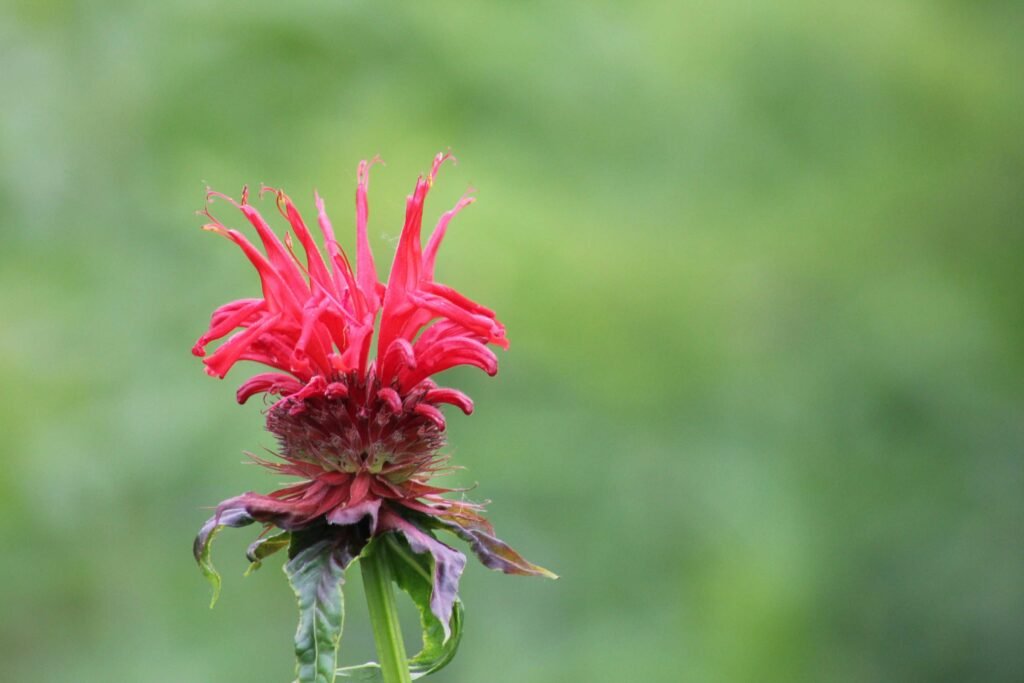
Bee balm is often celebrated for its vibrant blooms and aromatic leaves, making it a favorite among gardeners and herbal enthusiasts alike. This versatile plant is not only a beautiful addition to your garden, but it also offers various medicinal benefits and attracts beneficial pollinators like bees and butterflies.
Whether you are looking to grow it in your backyard or simply want to learn more about its uses, bee balm is a fascinating subject worth exploring.
Growing bee balm is relatively easy. It thrives in full sun and can tolerate a range of soil conditions. If you’re concerned about garden pests, you’ll find that this plant is quite resilient, though it does require some care to prevent common issues like powdery mildew.
As you learn about bee balm, you’ll discover how its unique properties can enhance your gardening practices and even your health.
From herbal remedies to its role in an eco-friendly garden, bee balm has much to offer. Whether you’re interested in its culinary uses or its aesthetic appeal, this article will delve into the many facts about bee balm that can enrich your gardening experience.
What Is Bee Balm?
Bee balm is a vibrant, aromatic perennial that belongs to the mint family. It’s known for its colorful flowers and ability to attract pollinators, making it a popular choice for gardens. Understanding its botanical profile and the various varieties available can enhance your gardening experience.
Botanical Profile
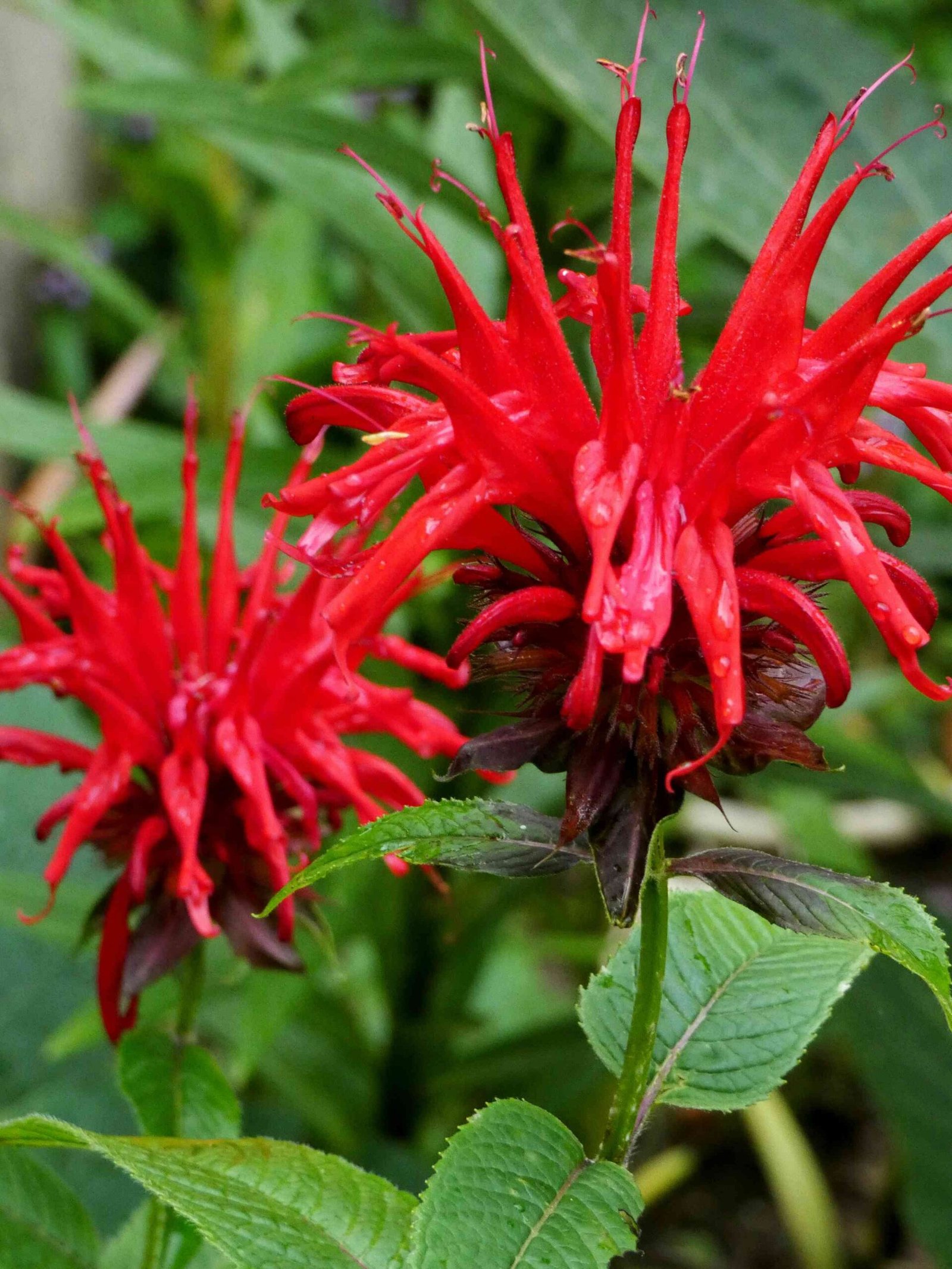
Bee balm, scientifically categorized as Monarda, features square stems and serrated leaves. The leaves are not only fragrant but also exhibit a range of colors from green to deep purple.
A notable attribute of bee balm is its ability to thrive in full sun to partial shade, flourishing best in well-drained soil.
Bee balm typically reaches a height of 1 to 4 feet, depending on the variety. The flowers can be red, pink, purple, or white, with a tubular shape that attracts birds, bees, and butterflies. Additionally, bee balm is valued for its medicinal properties, historically used by Native Americans for various ailments.
Varieties and Cultivars
There are several popular varieties of bee balm to consider. Some favorites include:
- Monarda didyma: Known for its striking red flowers, this variety is a favorite among hummingbirds.
- Monarda fistulosa: This native variety features lavender to pale pink blooms and is appreciated for its resistance to powdery mildew.
- Monarda punctata: Commonly referred to as spotted bee balm, it has unique spotted blooms and is shorter in stature.
When selecting cultivars, consider factors like flower color, height, and fragrance. Each type adds its unique charm to your garden while providing benefits to local ecosystems.
Cultivation Tips
To successfully grow bee balm, it’s important to understand its soil preferences, sunlight and watering needs, as well as its spacing and growth habits. These factors contribute to a healthy and thriving plant that will beautify your garden while attracting pollinators.
Soil Preferences
Bee balm thrives in well-draining soil that is rich in organic matter. A pH level between 6.0 and 7.0 is ideal for optimal growth. You can improve your soil by adding compost or well-rotted manure before planting.
Avoid overly wet or heavy soils, which can lead to root rot. If you notice poor drainage, consider planting in raised beds to enhance soil conditions. Always ensure the soil remains moist but not waterlogged for best results.
Sunlight and Watering Needs
For vibrant blooms and healthy growth, bee balm requires full sun exposure—ideally, at least six hours of direct sunlight each day. While it can tolerate partial shade, too little sunlight may result in leggy growth and fewer flowers.
When it comes to watering, aim for consistent moisture, particularly during dry spells. Water the plants deeply but infrequently, allowing the top inch of soil to dry out between waterings. This encourages strong root development and helps prevent diseases like powdery mildew.
Spacing and Growth Habits
When planting bee balm, space your plants about 18 to 24 inches apart. This allows adequate air circulation to prevent fungal diseases and also prevents overcrowding.
Bee balm can grow to a height of 2 to 4 feet, depending on the variety. Watch for the plant’s tendency to spread. If left unchecked, it can become invasive. Regularly monitor your plants and divide clumps every few years to maintain control and vigor.
Health and Wellness Benefits
Bee balm offers a range of health and wellness benefits, making it a valuable addition to your natural remedies. Its medicinal properties and aromatic qualities contribute positively to well-being.
Medicinal Uses
Bee balm has been traditionally used for various medicinal purposes. You might find relief from sore throats, toothaches, and mouth sores by using it as a mouthwash. A strong infusion can ease these symptoms effectively.
The herb also boasts antibacterial, antifungal, and anti-nausea properties. You can utilize bee balm to support digestion and alleviate issues like acid reflux and gas. Its aromatic leaves have a calming effect and can soothe headaches.
Additionally, Native Americans historically used bee balm to treat colds and digestive problems. Incorporating this herb into teas or tinctures can provide natural support when dealing with common ailments.
Aromatherapy and Essential Oils
The essential oils extracted from bee balm are known for their potent aromatic properties. In aromatherapy, these oils can create a soothing atmosphere, helping you relax and rejuvenate.
You might discover that the fragrance can enhance your mood and reduce stress. A few drops in a diffuser can fill your space with a refreshing scent that uplifts your spirits.
These oils also possess antiviral and antibacterial qualities, making them excellent for purifying the air in your home. Bee balm’s pleasant aroma can transform your environment into a calming sanctuary while promoting overall wellness.
Landscaping With Bee Balm
Incorporating bee balm into your garden can enhance its beauty while providing essential benefits to local ecosystems. This vibrant plant not only attracts pollinators but also pairs well with various companion plants.
Attracting Pollinators
Bee balm is a favorite among bees, butterflies, and hummingbirds. By planting it in your garden, you create a welcoming environment for these essential pollinators.
Grow bee balm in clusters to make it more visible. Choose a sunny spot with well-drained soil to encourage the best growth. Its vibrant flowers are particularly attractive to bees and butterflies, making it an excellent addition to pollinator gardens.
Consider planting bee balm alongside other flowering plants to boost diversity. This helps support a wide range of pollinators.
Companion Planting Ideas
Bee balm works well with a variety of plants, enhancing both beauty and biodiversity. Consider pairing it with other native perennials like coneflowers and black-eyed Susans for a stunning effect.
You might also try planting it near herbs such as basil and chives. These combinations not only look great together but can also help deter pests while attracting beneficial insects.
When selecting companion plants, look for those that thrive in similar conditions. Ensure they share sunlight and water requirements to create a harmonious garden ecosystem.
Managing Pests and Diseases
Taking proactive steps to manage pests and diseases is crucial for the health of your bee balm plants. This section highlights common pests you may encounter and essential disease prevention techniques to keep your garden thriving.
Common Pests
Bee balm can attract a variety of pests that may harm your plants. Some common ones include:
- Aphids: These small insects suck sap from the leaves, causing distortion and yellowing.
- Spider Mites: Often found on the undersides of leaves, they create webbing and can lead to leaf drop.
- Thrips: These tiny pests cause streaks and spots on flowers, affecting their appearance.
To manage these pests, maintain good garden hygiene. Regularly check your plants for signs of infestations. If you spot pests, consider using insecticidal soap or neem oil for treatment. Monitoring your plants throughout the growing season helps catch issues early.
Disease Prevention
Bee balm can be prone to diseases, particularly fungal infections. The most prevalent is powdery mildew, which manifests as a white powdery substance on leaves. This can hinder photosynthesis, resulting in yellowing and browning leaves.
To prevent fungal diseases, consider the following tips:
- Spacing: Ensure adequate space between plants for good air circulation.
- Watering: Water at the base of the plant in the morning to allow leaves to dry throughout the day.
- Sunlight: Position your bee balm in full sun. This reduces humidity around the plants and limits disease development.