Family Game Night Ideas: Games, Themes and Snacks
The best family game nights start with choosing one main game, having a quick backup, and agreeing on when to finish. Try a moving maze…
The best family game nights start with choosing one main game, having a quick backup, and agreeing on when to finish. Try a moving maze board game, homemade animal charades, or a shared drawing game as your main activity. Once you’ve picked the game, plan the snacks and theme to match.
You clear the table, open the box, and notice one child is eager while the other isn’t sure about the rules. Instead of explaining everything, show how to take a turn. A quick practice round helps you decide if tonight is the right time to play or if it’s better to wait.
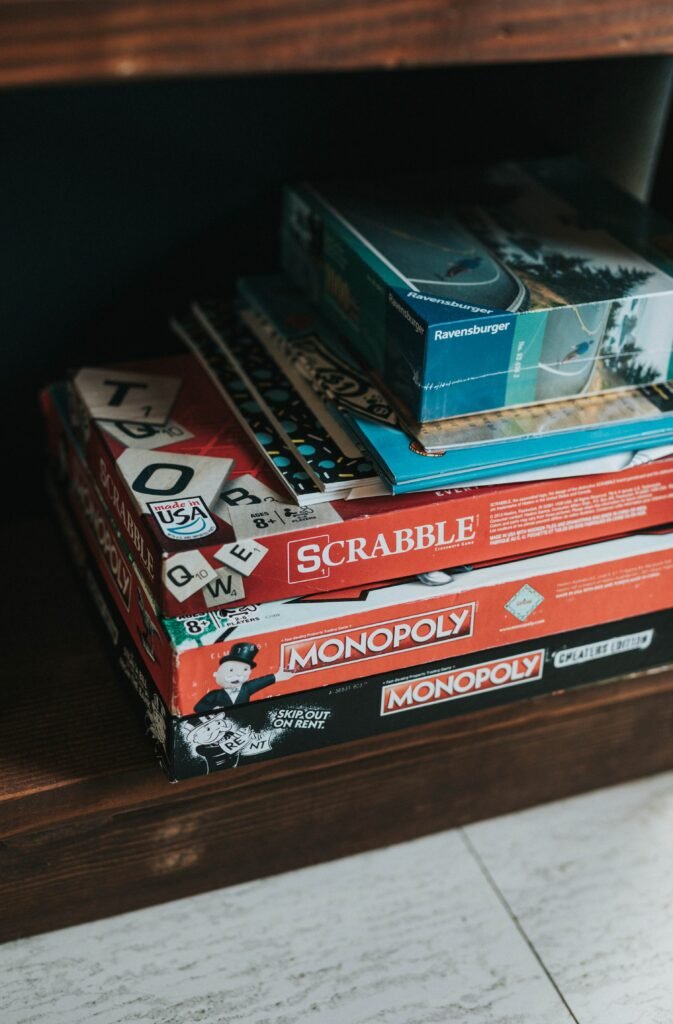
How do you pick a game that everyone can get in on?
Start by counting how many people want to play. If the game is for four, it won’t work for six unless you make some changes. If two people share a spot, have them talk through each move and take turns moving the pieces.
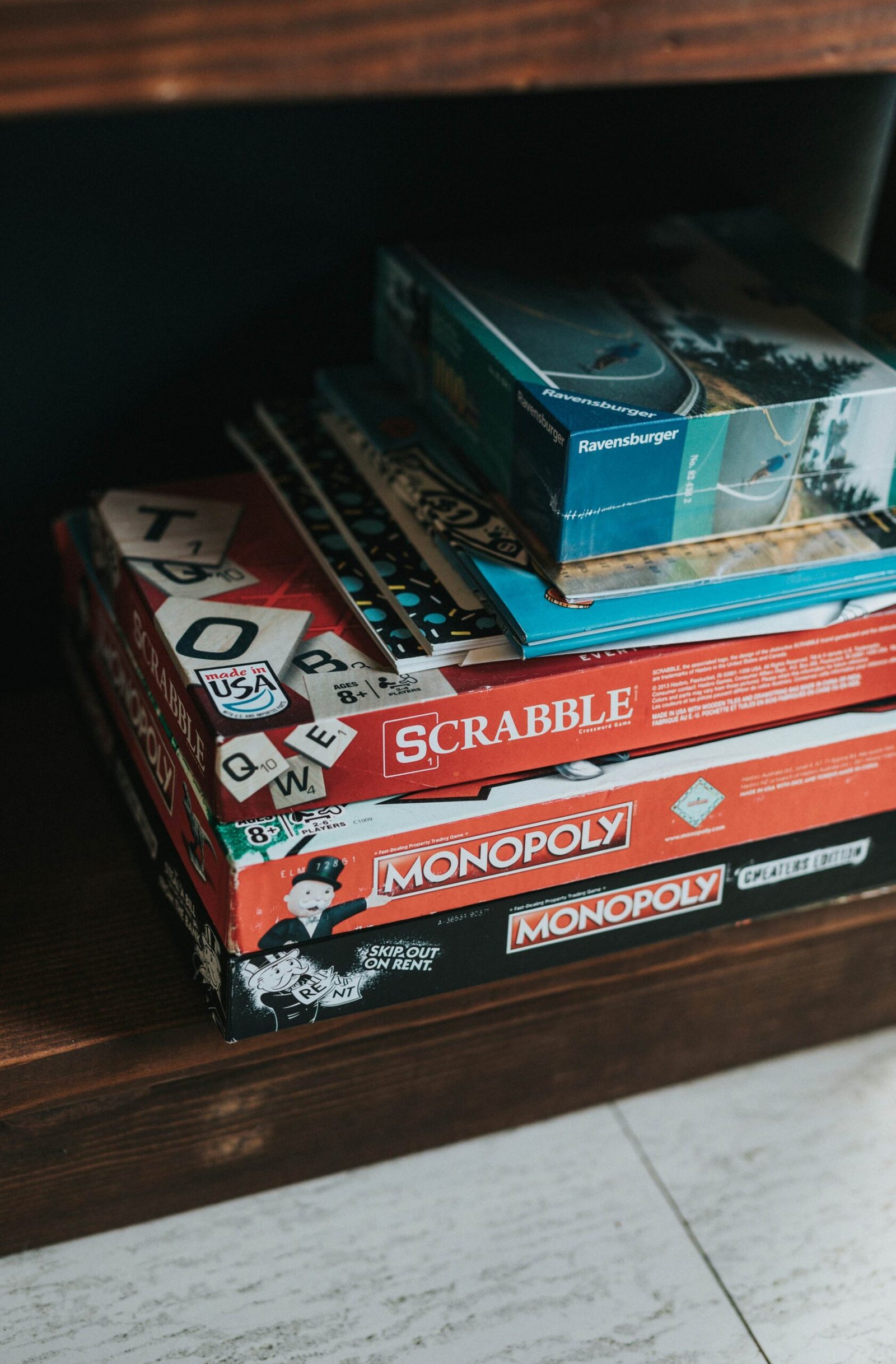
Don’t just go by age. A confident reader might enjoy word clues but dislike timed rounds. Another player might be great at visual puzzles but not want to read cards aloud. Offer a choice between two suitable games instead of trying to agree on one from the whole cupboard.
If you want something different, our Family Activities Guide has other ideas sorted by time, age, and cost.
Which games suit your time and your budget?
The ages, player numbers, and play times for boxed games below come from Ravensburger. Prices are the US publisher’s prices from the Ravensburger website (checked October 30th, 2026) before tax and shipping, and may change. Homemade game ages and times are our suggestions for kids playing with an adult.
| Game | Ages | Players | Playing time | Price or supplies |
| Labyrinth Junior | 4+ | 2–4 | 15–20 minutes | $19.99 |
| Labyrinth | 7+ | 2–4 | 20–30 minutes | $29.99 |
| Animal charades | Suggested 5+ | 4–8 | 10–15 minutes | Paper prompts; no extra purchase if owned |
| Shared drawing challenge | Suggested 5+ | 2–6 | 10 minutes | Paper and pencils; no extra purchase if owned |
| Story circle | Suggested 5+ | 3–8 | 5–10 minutes | No supplies needed |
Both versions of Labyrinth have you shift the maze to reach your targets. The Junior version has a smaller maze and bigger tiles. Choose the one that fits your group—you don’t need to buy both.
Allow plenty of time for set up and learning. The advertised play time doesn’t in any way indicate how long your family are going to spend looking for a missing piece or arguing about a rule. These are the ones that have been researched, not the games we’ve tried in our own home.
What can you play without having to buy a game?
Animal charades: Write eight common animals on slips of paper. Divide into two teams and take turns acting without speaking. Each person gets one minute (or one pass) and earns a point for a correct guess. Younger kids can act with an adult. Skip the timer if it makes the game less fun.
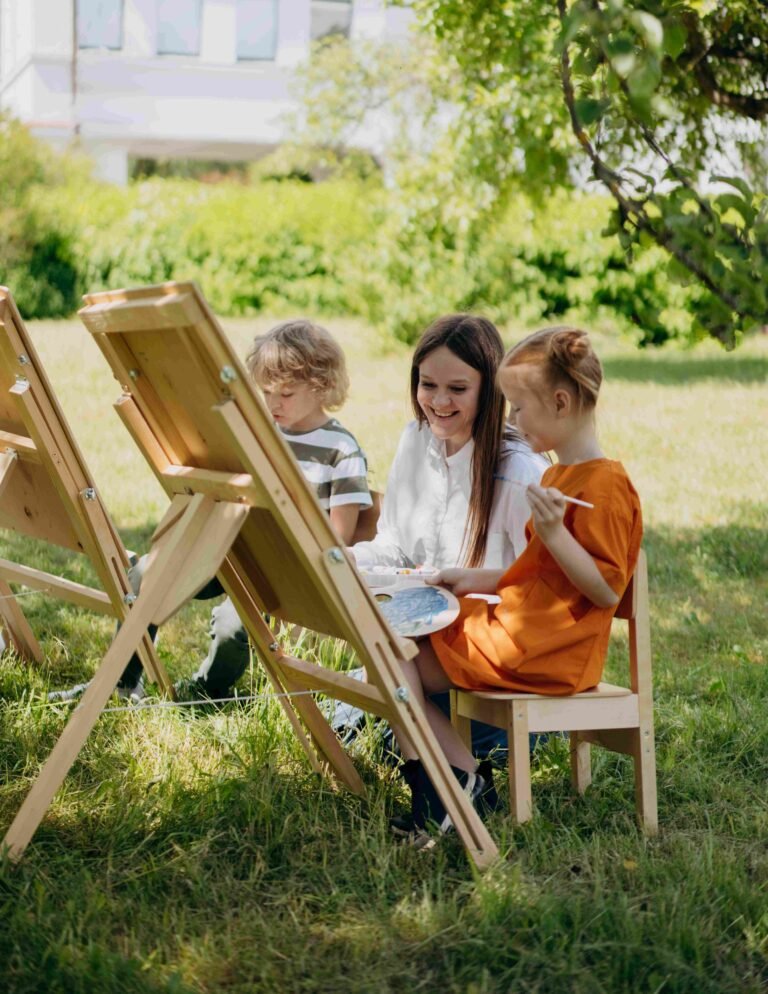
Shared drawing challenge: Each person draws a creature’s head, folds the paper to hide most of it and leaves just two neck lines visible. Pass the sheets around to add on the bodies and then the legs. Unfold them all together. Use three drawing stages no matter how many people are in the group and allow the players to describe their creatures (no winner is awarded).
Story circle: Start with “A tiny dragon turned up at our door with a suitcase.” Each person then adds one sentence. Go round twice and then invite someone to finish it off. People can pass or ask a partner for a sentence if they wish. Decide in advance whether or not it’s OK to have a bit of a scare in the story.
For a seasonal version our family Christmas games are holiday charades and drawing ideas.
What theme should you go for for a family fun night?
A theme only really needs to tie the activities together. You could completely omit the decorations.
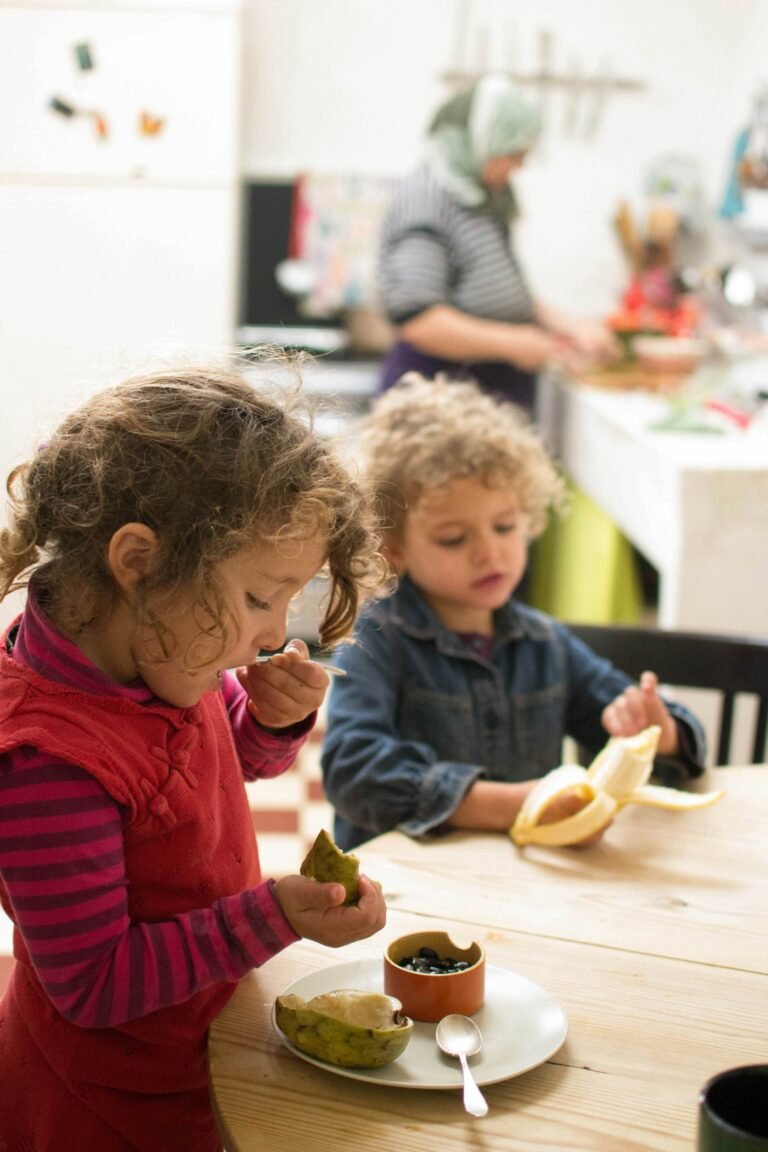
Creature night: start with animal charades, do the shared drawing challenge and finish off with naming the creatures. There’s a break during which we serve banana toast or some other familiar snack. The kids can decide whether their creatures are funny, friendly or mysterious.
Treasure night: pick one maze game and then get everyone to draw a treasure map on scrap paper. Mark three landmarks and an endpoint. Keep the maps on the table so it doesn’t just become a search through the bedrooms.
Storybook night: each person chooses a fictional character for the story circle and we tell the story around that. This is followed up by drawing the final scene of the story. Works well for a family night where you just want some conversation and don’t want to be managing loads of pieces.
A themed-night planner you can copy
This example allocates one hour (including cleanup). The main game block is a standard short game, you can of course add in some teaching time or reduce the duration of the other activities as appropriate.
| Time | Example plan | Our choice |
| 6:30–6:35 | Set up; demonstrate one turn | __________ |
| 6:35–7:05 | Main game | __________ |
| 7:05–7:15 | Snack break away from pieces | __________ |
| 7:15–7:25 | Short backup or drawing | __________ |
| 7:25–7:30 | Pack away; choose next time’s host | __________ |
Write a spending limit next to your plan: __________. List what you already have before you go and add anything to the shopping list. Rotate the host role: deciding between two games is quite enough on for a younger child.
What snacks keep the table manageable?
Choose food that can wait. Yogurt, toast or a small sandwich will do (no sticky fingers when handling the cards). Our easy snacks for kids guide has preparation ideas as well as age appropriate safety advice. Always check for allergies and adapt the food to the child’s eating skills.
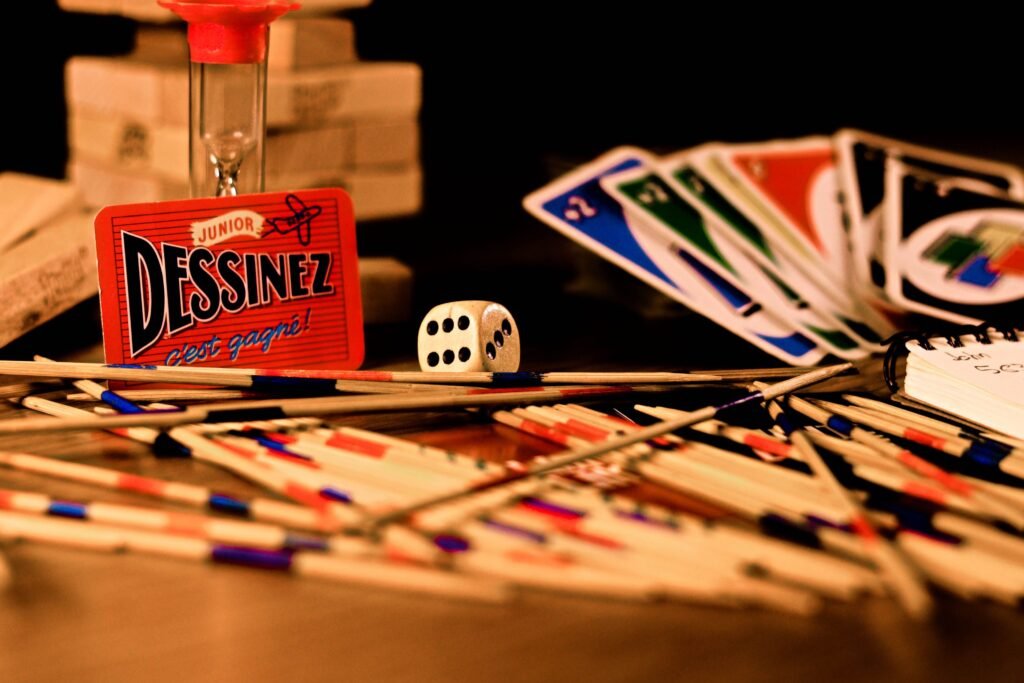
What if family time games end in an argument?
Pause before you restart. Name the immediate issue: “We’re in disagreement as to whose turn it is.” Check the rule together and then agree how you’re going to proceed. If you’re changing the rule, do so before the next round.
For instance an older child might be answering for their younger partner. Give the younger child the first choice, then ask them for one suggestion from their partner. If someone wants to stop, let them watch or just leave the table. Finish off with plenty of time to pack the game away together even if no-one has asked for another round.
Sources
- Ravensburger: Labyrinth Junior, article 20847. Verified ages 4+, 2–4 players, approximately 15–20 minutes, smaller maze/larger tiles and listed US price of $19.99.
- Ravensburger: Labyrinth, article 26448. Verified ages 7+, 2–4 players, approximately 20–30 minutes, moving-maze format and listed US price of $29.99.