Benefits of Yarrow: A Family Wellness Guide
Yarrow is a healing herb with a long history in family and folk medicine. People have used it for everything from treating wounds to easing…
Yarrow is a healing herb with a long history in family and folk medicine. People have used it for everything from treating wounds to easing stomach troubles. Today, more people are turning to yarrow as they look for natural ways to support their health.

This article explains the benefits of yarrow, how it works in the body, what science says so far, and how to use it safely. While yarrow is not a cure-all, it can be a supportive herb when used with care and awareness.
What Is Yarrow?
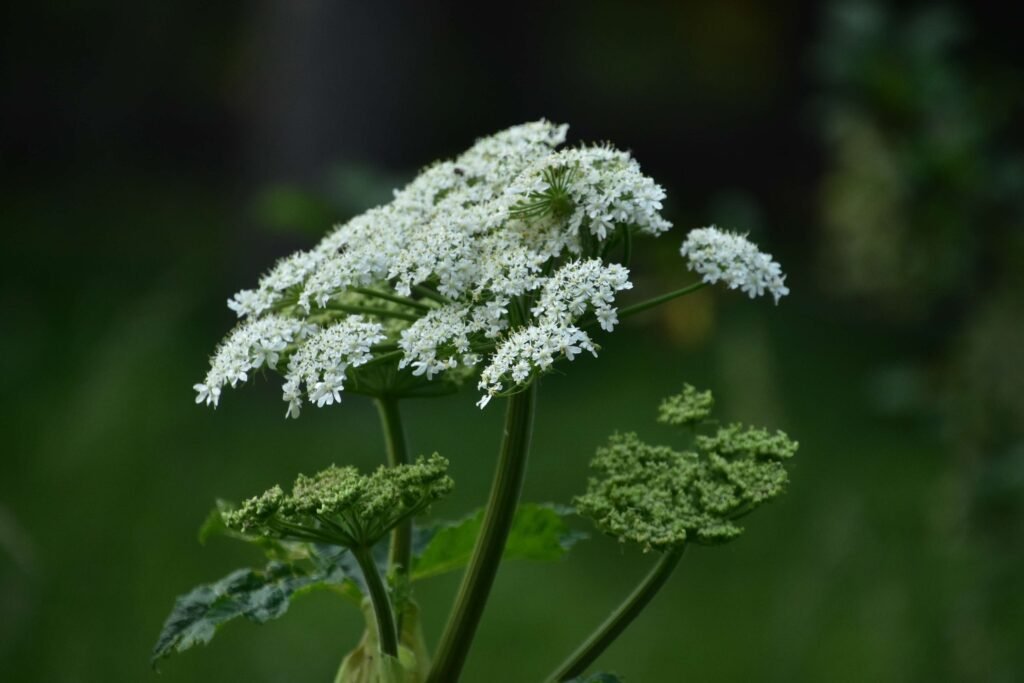
Yarrow (Achillea millefolium) is a flowering plant that grows in Europe, Asia, and North America. It has feathery leaves and small white or pink flowers. Healers have long used yarrow for wounds, digestion, and women’s health.
The plant contains several active compounds that account for many of the benefits of yarrow observed in traditional and modern use.
Active Compounds in Yarrow
Yarrow has flavonoids, alkaloids, tannins, and essential oils. These give it anti-inflammatory, antimicrobial, and antispasmodic effects.
Flavonoids help fight oxidative stress, while tannins support tissue tightening and wound healing. These natural chemicals form the foundation of yarrow’s benefits in wellness care.
Benefits of Yarrow for Health and Wellness
Yarrow offers many benefits, especially when used in teas, skin products, or traditional remedies.
Wound Healing and Skin Repair
Yarrow is best known for helping wounds heal. In the past, people called it “soldier’s woundwort” because it helped stop bleeding and fight infection.
Studies show that yarrow has antimicrobial and anti-inflammatory properties that support faster healing of minor cuts and wounds (https://pubmed.ncbi.nlm.nih.gov). When applied topically, yarrow may help reduce redness and swelling while supporting tissue repair.
Skin Inflammation and Irritation
Yarrow can calm irritated skin. People have used it for minor burns, rashes, and insect bites.
Yarrow’s anti-inflammatory compounds help reduce the skin’s reaction to irritation. This makes it useful for family wellness, especially in salves or compresses.
Digestive Support
Yarrow also supports digestion. As a bitter herb, it helps stimulate digestive juices and bile flow.
This can help ease bloating, gas, and mild stomach cramps. Herbalists often recommend yarrow tea for digestive discomfort or irritable bowel–type symptoms, though it should be used with caution.
Support for Menstrual Pain (Dysmenorrhea)
Yarrow has a long history of use for women’s health. One of the key benefits of yarrow is its antispasmodic effect, which may help relax uterine muscles.
Research in the Journal of Alternative and Complementary Medicine suggests yarrow may help reduce menstrual pain and cramps when used properly (https://pubmed.ncbi.nlm.nih.gov). This supports its traditional use for painful periods.
Circulatory and Cardiovascular Support
Yarrow has also been used to support healthy circulation. Herbal texts say it helps promote blood flow and support blood vessel health.
Although research is still limited, some early studies suggest yarrow may help heart health by reducing inflammation in blood vessels (https://www.ncbi.nlm.nih.gov). This adds to yarrow’s traditional wellness uses.
Inflammation Reduction
Chronic inflammation affects many health issues. Yarrow’s anti-inflammatory action is one of its main benefits.
Lab studies show that yarrow extracts can lower inflammation markers in the body (https://www.mdpi.com). This may be why yarrow is used for joint pain, sore muscles, and inflamed skin.
Brain Health and Nervous System Support
Yarrow has mild calming effects on the nervous system. Traditionally, people used it to ease restlessness and mental tension.
Some animal studies suggest yarrow’s antioxidants may help protect the brain (https://www.ncbi.nlm.nih.gov). While research in people is limited, this is a promising area for future study.
Symptoms of Depression and Anxiety
Yarrow is sometimes used as a gentle support for emotional balance. It is not a treatment for depression or anxiety, but it may help with mild stress-related symptoms.
Herbalists often use yarrow as part of a bigger wellness plan that includes good nutrition, exercise, and professional care when needed.
Insulin Resistance and Metabolic Health
Emerging research has explored the benefits of yarrow for metabolic health. Some studies suggest yarrow may help improve insulin sensitivity and blood sugar regulation in animal models (https://pubmed.ncbi.nlm.nih.gov).
This research is still in the early stages, but it shows that scientists are interested in yarrow’s benefits beyond its traditional uses.
Cold, Flu, and Immune Support
People have long used yarrow during colds and flu. It acts as a diaphoretic, which means it may help bring on gentle sweating during a fever.
This traditional use is one of yarrow’s seasonal benefits in herbal medicine, especially when enjoyed as a warm tea.
Other Common Uses of Yarrow
Besides its medicinal uses, yarrow has been used as a food flavoring in small amounts, especially in traditional European cooking. It’s also found in herbal teas, tinctures, salves, and compresses.
These many uses show how important yarrow is in different cultural wellness traditions.
Forms of Yarrow and How It’s Used
Yarrow comes in several forms. Yarrow tea is one of the most common. Tinctures offer a concentrated option, while topical preparations work well for skin and muscle concerns.
The form you choose influences how you experience yarrow’s benefits.
Possible Side Effects of Yarrow
Yarrow is usually safe in small amounts, but some people may have side effects. Skin irritation or allergies can happen, especially for those sensitive to plants in the daisy family.
Taking large amounts of yarrow may cause digestive upset.
Precautions and Who Should Avoid Yarrow
Pregnant or breastfeeding people should avoid yarrow because it may affect the uterus. Children should only use yarrow with professional advice.
Anyone taking blood thinners should talk to a healthcare provider before using yarrow because of possible interactions.
Drug and Herb Interactions
Yarrow can interact with blood thinners, sedatives, and medicines that make you more sensitive to sunlight. This shows why it’s important to use yarrow with good information.
How to Use Yarrow Safely
Begin with small amounts and use yarrow for a short time at first. Test skin products on a small area before using more. Stop using yarrow if you notice irritation or discomfort.
Always view the benefits of yarrow as supportive, not as a replacement for medical care.
When to Talk to a Healthcare Provider
Talk to a healthcare professional if your symptoms last, get worse, or are part of a chronic illness. This is especially important if you use yarrow with other medicines.
Getting professional advice helps you use yarrow safely.
Trusted Video Resource
Here’s a helpful video that explains herbal medicine safety and evidence-based use:
Conclusion
Yarrow can help with wound healing, digestion, inflammation, menstrual comfort, and general wellness. Tradition and new research both support its value when used with care.
With the right precautions and realistic expectations, yarrow can be a gentle, helpful part of your family’s wellness routine.
References
- National Centre for Complementary and Integrative Health – Herbal safety
https://www.nccih.nih.gov - PubMed – Yarrow and wound healing research
https://pubmed.ncbi.nlm.nih.gov - MDPI – Anti-inflammatory properties of yarrow
https://www.mdpi.com - National Centre for Biotechnology Information – Yarrow and metabolic health
https://www.ncbi.nlm.nih.gov - Journal of Alternative and Complementary Medicine – Yarrow and menstrual pain
https://pubmed.ncbi.nlm.nih.gov