Low-Impact Exercises to Help with Mental Health: Boost Your Well-Being Gently
Finding ways to boost your mental health can sometimes feel overwhelming, but incorporating low-impact exercises into your routine can make a significant difference. Engaging in…
Finding ways to boost your mental health can sometimes feel overwhelming, but incorporating low-impact exercises into your routine can make a significant difference.
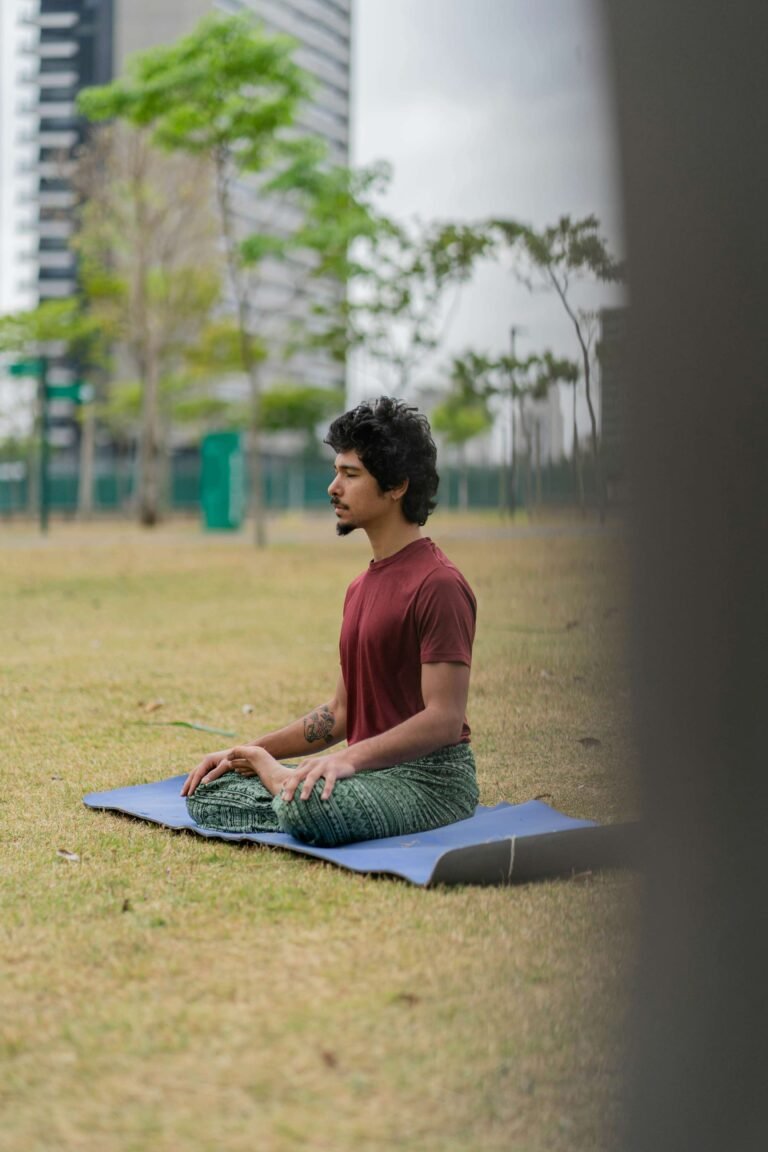
Engaging in activities like walking, yoga, and Tai Chi can help reduce stress, improve mood, and enhance overall well-being. These gentle exercises are not only easy on your joints but also encourage mindfulness and relaxation.
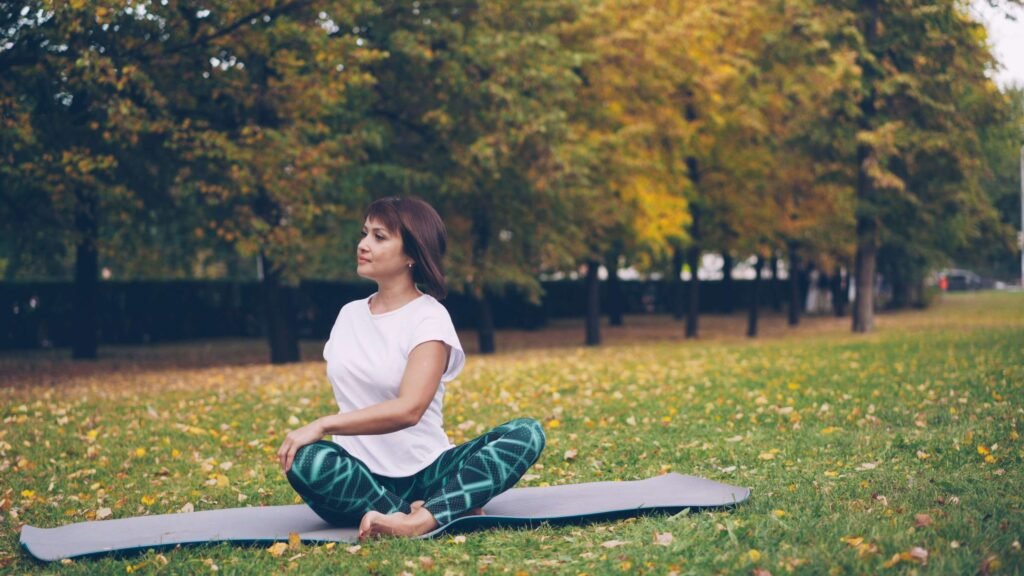
You don’t need to be a fitness expert to benefit from these movements.
Whether you prefer a leisurely stroll outside or a calming yoga session at home, low-impact exercises can seamlessly fit into your daily life.
Each moment spent moving can provide relief from anxiety and depressive symptoms, allowing you to cultivate a healthier mindset.
Join countless others who have discovered the positive impact of low-impact workouts on their mental health.
By prioritizing gentle physical activity, you can create a supportive environment for your mind and body to thrive. Embrace these exercises as a simple yet effective way to nurture your mental well-being.
Benefits of Low-Impact Exercises for Mental Health
Low-impact exercises offer unique advantages for mental health. They can help you manage stress, reduce anxiety, and enhance your emotional well-being without putting excessive strain on your body.
Stress Reduction and Anxiety Control
Engaging in low-impact exercises, such as walking, swimming, or yoga, can significantly reduce stress levels. These activities promote the release of endorphins, which are natural mood lifters.
Taking time for gentle movements helps calm your mind. A routine of low-impact exercise allows you to focus on your breathing and body, which can ground you during stressful moments.
Studies show that regular participation can lower anxiety ratings and help you develop better coping mechanisms. The predictability of these exercises also builds a comforting routine that further alleviates anxiety.
Enhancing Mood and Emotional Well-being
Low-impact exercises can substantially boost your mood and emotional health. They encourage the release of neurotransmitters like serotonin and dopamine, which are essential for maintaining positive feelings.
Many people experience an increase in relaxation and a decrease in feelings of depression after incorporating activities like tai chi or gentle cycling into their routine.
Additionally, low-impact exercises often allow for social engagement, whether through group classes or walking with friends. This connection fosters a sense of belonging, which is vital for emotional well-being. Regular practice creates a foundation for lasting improvements in mood and resilience against life’s challenges.
Types of Low-Impact Exercises
Low-impact exercises can significantly enhance your mental health while being gentle on your joints. These activities promote physical fitness and create a positive mood. Here are some great options to consider.
Walking and Hiking
Walking is one of the simplest yet effective forms of low-impact exercise. Just a 30-minute walk can boost your mood and reduce stress. You don’t need special equipment—just a comfortable pair of shoes.
Hiking offers a similar benefit but in a more nature-filled setting. Being outdoors can improve your mental well-being. Consider exploring local trails. The fresh air and scenery help foster a connection with nature.
Both activities are great for socializing too. You can walk with a friend or join a local hiking group, making it enjoyable and beneficial for your mental health.
Swimming and Water Aerobics
Swimming is another fantastic low-impact option. It provides a full-body workout and is gentle on your joints. The buoyancy of water reduces stress on your body, allowing for greater movement freedom.
Water aerobics combines exercise with fun. Classes often include music and group interaction, enhancing your exercise experience. You’ll engage different muscle groups, improving strength and flexibility.
Whether you swim laps or participate in water aerobics, these options keep you active while providing mental clarity and stress relief.
Yoga and Pilates
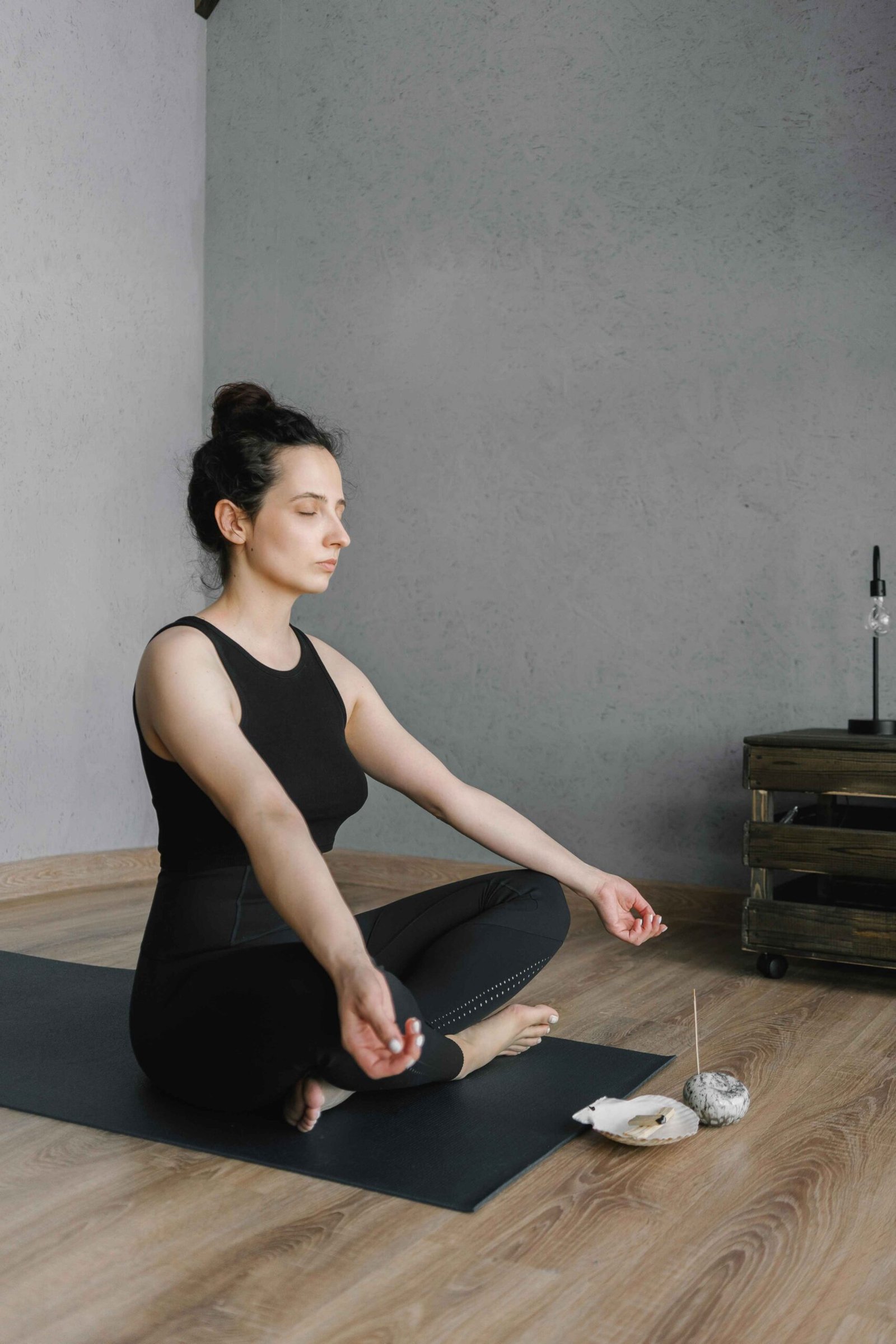
Yoga is well-known for its mental health benefits. It emphasizes mindfulness and deep breathing, promoting relaxation and reducing anxiety. Even a short session can help you feel more centered.
Pilates focuses on core strength and stability, enhancing body awareness. Many find it helps alleviate stress and tension accumulated throughout the day. Both practices also offer adaptability. You can choose from gentle or more challenging classes based on your comfort level.
Combining these practices can create a holistic approach to well-being, benefiting both your mind and body.
Developing a Low-Impact Exercise Routine
Creating a low-impact exercise routine can significantly enhance your mental health. By focusing on achievable goals and integrating mindfulness, you can find balance and joy in your activities.
Setting Realistic Goals
Start by setting achievable goals that motivate you. Identify how many days a week you can commit to exercising.
For example, aim for 3 to 5 days of low-impact activities like walking, yoga, or swimming.
Make your goals specific. Instead of saying, “I want to exercise more,” specify, “I will walk for 30 minutes every day after work.” This clarity helps you stay accountable.
Track your progress. Use a journal or an app to log your activities. Celebrate small victories to keep your motivation high. Remember, consistency is key, not intensity. Focus on how these activities make you feel rather than on performance.
Incorporating Mindfulness and Breathing Techniques
Adding mindfulness and breathing exercises to your routine can enhance its effectiveness.
Start each session with a few moments of deep breathing. Inhale through your nose for a count of four, hold for four, and exhale through your mouth for four.
During your exercise, pay attention to your body. Notice how it feels with every movement. This awareness can reduce stress and increase enjoyment.
You can also include stretching or yoga poses that focus on your breath. Each time you stretch, inhale deeply and visualize positivity entering your body. As you exhale, imagine any negativity or stress leaving. This approach nurtures both your body and mind, creating a fuller mind-body connection during your workouts.
Overcoming Barriers to Exercise
Many people face challenges when it comes to starting or maintaining an exercise routine. Understanding how to tackle these barriers can make a significant difference in your mental health journey. Two critical aspects are finding motivation and support, as well as adapting exercises to fit different abilities and conditions.
Finding Motivation and Support
Finding the motivation to exercise can be tough. Start by setting realistic goals that are specific and achievable. Instead of aiming to run a marathon, focus on walking for 15 minutes a day.
Tips to Boost Motivation:
- Track Your Progress: Keep a simple journal or an app to monitor your workouts.
- Buddy Up: Engage a friend or family member to join you. Exercising with someone else can lighten the effort and increase accountability.
Joining a community or a class, whether in-person or online, can provide encouragement and accountability. Female-only classes might help women feel more comfortable starting out, addressing any anxiety around exercising in mixed settings.
Adapting Exercises for Different Abilities and Conditions
Everyone has different abilities and health conditions that might affect their capacity for exercise. You should adapt your routine to fit your unique needs.
Low-Impact Options:
- Walking: A simple, effective way to stay active without joint strain.
- Chair Exercises: Perfect for those with mobility issues, these allow you to engage in a variety of movements while seated.
- Swimming: Offers a full-body workout that’s gentle on your joints.
By making modifications, such as lowering the intensity or duration, you can create a sustainable routine that fits your lifestyle. Listen to your body and prioritize what feels good for you. Engaging in professional support, like a trainer or therapist, can further help in tailoring an exercise plan that accommodates any barriers you may face.
Nutrition and Hydration for Optimal Performance
Eating well and staying hydrated are crucial for getting the most out of your low-impact workouts. Proper nutrition fuels your body, while hydration supports your mental clarity and energy levels during exercise.
Importance of a Balanced Diet
A balanced diet plays a significant role in your exercise performance and mental well-being. Focus on incorporating a variety of foods to meet your nutritional needs.
- Carbohydrates: These are your primary energy source. Include whole grains, fruits, and vegetables.
- Proteins: Essential for muscle repair and recovery. Sources include lean meats, beans, and yogurt.
- Fats: Healthy fats support brain function. Avocados, nuts, and olive oil are great options.
Aim for meals that combine these macronutrients. A good example is a quinoa salad with chickpeas, avocado, and mixed greens. Remember, a well-balanced diet helps keep your energy levels stable and enhances your mood.
Staying Hydrated During Low-Impact Workouts
Hydration is important, especially during low-impact activities. Water helps regulate your body temperature and keeps your joints lubricated.
- Before Exercise: Drink water to ensure you start hydrated. A good rule is to have at least 16-20 ounces of water about an hour before your workout.
- During Exercise: Sip on water every 15-20 minutes to maintain hydration. For workouts lasting over an hour, consider a drink with electrolytes.
- After Exercise: Replenish lost fluids by drinking 16-24 ounces for every pound lost during exercise.
Staying hydrated will help sharpen your focus and can improve your performance. Aim for clear urine as a sign of adequate hydration.