Kava for Natural Health: Discover Its Benefits and Uses
Kava has gained attention as a natural health remedy, especially for those seeking alternatives to traditional treatments for anxiety and stress. Many people find that…
Kava has gained attention as a natural health remedy, especially for those seeking alternatives to traditional treatments for anxiety and stress. Many people find that kava can promote relaxation and enhance feelings of well-being without the harsh side effects associated with pharmaceuticals. This ancient plant has been used for centuries in Pacific Island cultures, and its calming effects are drawing interest worldwide.
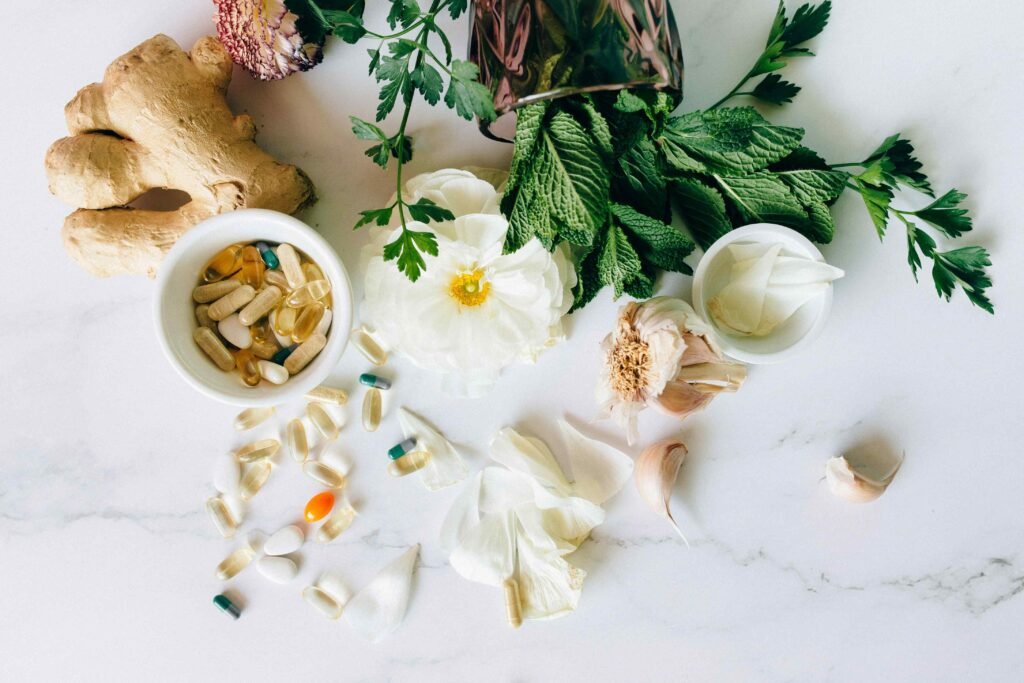
If you’re curious about the benefits of incorporating kava into your wellness routine, you’re not alone. Its unique ability to interact with the brain’s GABA receptors makes it a fascinating option for those looking to manage anxiety and improve sleep quality.
As you explore the potential of kava, you’ll want to learn more about how it works and what precautions you should take.
Understanding Kava
Kava is gaining attention as a natural remedy, particularly for its calming effects. This section will explore its origins, key components, and the various forms in which it can be consumed.
Origins and History
Kava, derived from the root of the Piper methysticum plant, has a rich history rooted in the South Pacific. Traditionally, it has been used in ceremonial and social gatherings among Pacific Islanders for centuries. The drink made from kava root is known for its relaxing and sedative qualities.
In places like Fiji, Vanuatu, and Tonga, kava is more than just a beverage; it’s a significant part of cultural identity. Historically, kava was consumed by chiefs and elders during important meetings, reinforcing its status as a symbol of respect and hospitality.
Key Components of Kava
The active compounds found in kava are called kavalactones. There are at least 18 different kavalactones, but six primary ones account for most of its effects. These include kavain, dihydrokavain, and yangonin.
Kavalactones influence neurotransmitters, particularly GABA receptors in the brain. This interaction is what gives kava its relaxing properties. Research has shown that consuming kava may help reduce anxiety and improve sleep quality.
It’s important to note that kava can interact with certain medications, so always consult your healthcare provider before use. Additionally, care should be taken when sourcing kava, as the quality can vary significantly.
Different Forms of Kava
Kava is available in several forms to suit different preferences. The most common forms include:
- Powdered Root: This form is made from the dried kava root, often mixed with water to create a traditional drink.
- Capsules: For those who prefer convenience, kava capsules provide a measured dose without the preparation hassle.
- Extracts: Liquid extracts offer a concentrated version of kava’s active compounds, allowing for quicker absorption and effects.
When choosing kava, consider what form fits best into your lifestyle and how you plan to use it. Each form has its unique benefits, making kava a versatile option for natural health.
Health Benefits of Kava
Kava is known for its unique properties, making it a popular choice for those seeking natural wellness solutions. This herbal remedy offers several potential benefits, particularly in reducing anxiety, improving sleep quality, and promoting muscle relaxation.
Anxiety and Stress Relief
Kava has gained recognition for its ability to help manage anxiety. Research indicates that it interacts with GABA receptors in the brain, similar to how certain medications work.
This interaction can lead to a calming effect, making it easier to handle daily stressors. Some studies show that regular consumption may significantly reduce anxiety levels in individuals.
When using kava for anxiety relief, it’s important to choose products made from the root for optimal benefits. Always consult with a healthcare professional to determine the most suitable dosage for your needs.
Sleep Improvement
If you struggle with sleep issues, kava may support your journey to better rest. The relaxing properties of kava can help you unwind, paving the way for improved sleep quality.
Many users report falling asleep more easily and experiencing deeper sleep cycles. Some studies suggest that kava can also reduce the time it takes to fall asleep, making it a helpful addition to your nighttime routine.
As with any supplement, you should monitor how your body reacts and adjust consumption as needed. Taking kava in moderation can aid in achieving better sleep without grogginess the next day.
Muscle Relaxation
Kava’s muscle-relaxing effects make it appealing for those dealing with muscle tension or discomfort. The compounds in kava can promote a sense of relaxation throughout your body, allowing tight muscles to loosen.
This property is particularly beneficial after a long day or following physical activity. You may find that kava enhances your post-workout recovery and reduces soreness.
When incorporating kava for muscle relaxation, it’s essential to pay attention to the amount you take. Overuse can lead to adverse effects, so start with a small dose and observe how it impacts your body.
How to Use Kava Safely
Using kava requires attention to dosage, awareness of potential side effects, and understanding its interactions with other substances. By following careful guidelines, you can enjoy kava’s benefits while minimizing risks.
Recommended Dosages
When using kava, it’s crucial to stick to recommended dosages. Most reputable sources suggest starting with a low dose of 100-250 mg of kavalactones, the active compounds in kava.
In powdered form, this translates to about 2-4 grams of kava root.
You can take it in various forms, including capsules, extracts, or as a tea. Always pay attention to your body’s response and adjust accordingly.
For longer usage, some experts recommend capping daily intake at around 300 mg of kavalactones. Remember, maintaining consistent timing for your doses can help in assessing how it affects you.
Potential Side Effects
Kava is generally well-tolerated, but it can have side effects. Common ones include drowsiness, headaches, and digestive disturbances.
If you find that you feel overly sedated, it may be wise to reduce your dosage.
Some individuals may experience liver-related issues, particularly with excessive use or when combined with alcohol. Signs to watch for include jaundice, dark urine, or abdominal pain. If you notice these symptoms, discontinue use and consult your healthcare provider.
Interactions with Other Substances
Kava can interact with several substances, so caution is essential. It may enhance the effects of alcohol, leading to increased sedation and impaired judgment.
Avoid combining kava with other sedatives, such as benzodiazepines or opioids, as this can heighten risks.
Certain medications, particularly those metabolized by the liver, may also interact poorly with kava. Always inform your healthcare professional about any supplements you take, especially if you are on prescribed medications. This step helps ensure your safety while using kava.
Incorporating Kava into Your Lifestyle
Integrating kava into your daily life can enhance your relaxation and well-being. By establishing a routine and exploring its place in modern wellness practices, you can enjoy its benefits effectively.
Creating a Kava Routine
To get started, choose a consistent time each day to enjoy kava. This could be in the evening to unwind after a long day. Consider preparing it as a warm drink for comfort or in a cold smoothie for a refreshing twist.
Steps to Create Your Routine:
- Select Your Form: Kava is available as powder, capsules, or tinctures.
- Measure Your Dose: Follow recommended guidelines, typically 250-500 mg.
- Mix with Water: For powder, mix with water or juice to improve flavor.
As you build your routine, be attentive to how kava affects your mood and relaxation levels. Adjust timing and dosage based on your experiences to find what works best for you.
Kava in Modern Wellness Practices
Kava has gained popularity in today’s wellness communities. You can incorporate it into practices aimed at stress reduction and mindfulness.
Many use kava alongside yoga or meditation to deepen relaxation. Drinking kava before these practices can create a calming atmosphere.
Ways to Use Kava in Wellness:
- Social Gatherings: Share kava in a communal setting for connection and relaxation.
- Self-Care Days: Pair it with a warm bath or a relaxing book for a soothing ritual.
By integrating kava into these practices, you create a calming environment that supports your overall well-being.
Legal and Ethical Considerations
When exploring kava for natural health, it’s essential to understand the legal frameworks and ethical practices surrounding its use. This section highlights regulations and emphasizes the importance of sustainable sourcing to ensure both safety and responsibility.
Regulation and Quality Standards
Kava is subject to various regulations around the world, with differing legal statuses. In the United States, kava is not classified as a controlled substance. However, the FDA has issued warnings regarding its potential liver toxicity, advising caution in consumption.
Some countries, like Australia and most European nations, have imposed bans or strict regulations on kava products due to safety concerns. When purchasing kava, look for products that comply with established quality standards, such as GMP (Good Manufacturing Practices). This helps ensure you are consuming a safer, high-quality product.
Additionally, verifying third-party testing can offer peace of mind about kava’s purity and potency. Always read labels carefully to make informed choices.
Sustainable Sourcing
Sustainable sourcing of kava is crucial for preserving ecosystems and ensuring fair treatment of local farmers.
As a consumer, you can support ethical practices by choosing kava brands that prioritize environmental sustainability and social responsibility.
Look for products that are sourced from farms adhering to sustainable agricultural practices.
This includes organic farming without harmful pesticides, which protects local wildlife and promotes soil health.
Also, consider brands that pay fair wages to farmers and engage in community development.
Supporting these practices not only benefits you but also helps the communities that cultivate kava, ensuring its availability for future generations.