Benefits of Yellow Beets: Nutrition, Health & Uses
Eating more natural foods is an easy way to boost your health. Yellow beets are a great example. They help your heart, digestion, and energy,…
Eating more natural foods is an easy way to boost your health. Yellow beets are a great example. They help your heart, digestion, and energy, and they are simple to prepare.

Yellow beets, or golden beets, have a mild, slightly sweet taste. Many people prefer them over red beets. Knowing their benefits makes it simple to add them to your meals and family diet.
What Are Yellow Beets?
Yellow beets are a golden type of beetroot. They are related to red beets but taste milder and less earthy. This makes them a good choice for anyone who does not like the strong flavor of regular beets.
Yellow beets also do not stain your hands or kitchen surfaces, which makes cooking less messy and easier, especially if you have a busy household.
Nutritional Value of Yellow Beets
To fully understand the benefits of yellow beets, it helps to examine their nutritional profile. These root vegetables are packed with essential vitamins and minerals.
Key Nutrients in Yellow Beets
Yellow beets give you fiber, folate, vitamin C, potassium, and antioxidants. These nutrients help your immune system, heart, and digestion.
The USDA says one cup of beets has about 58 calories and important nutrients like folate and manganese (USDA FoodData Central: https://fdc.nal.usda.gov). This makes yellow beets a great choice for daily nutrition.
Calories and Macronutrients
Yellow beets are low in fat and have healthy carbs. Their fiber helps you feel full longer, which can help you keep a healthy weight.
Top Benefits of Yellow Beets for Health
Yellow beets can help with many parts of your health. Adding them to your meals supports both your body and mind.
1. Supports Heart Health
A key benefit of yellow beets is how they help your heart. They have natural nitrates that improve blood flow and circulation.
Research from the National Institutes of Health shows that dietary nitrates can help lower blood pressure, reducing the risk of heart disease (NIH: https://www.nih.gov).
2. Boosts Energy and Stamina
Yellow beets help your body use oxygen better. This can boost your stamina and help you feel less tired.
Many athletes eat beets before working out for this reason. That is why yellow beets are known for supporting energy.
3. Helps Reduce Inflammation
Inflammation can cause long-term health issues. Yellow beets have antioxidants that help reduce inflammation.
Including yellow beets in your meals is an easy way to get their anti-inflammatory benefits.
4. Supports Digestive Health
Fiber is important for digestion, and yellow beets have plenty of it. They help keep your gut healthy and support regular digestion.
Many people notice better digestion soon after adding yellow beets to their diet.
5. May Improve Brain Function
Good blood flow is important for your brain. Yellow beets help with circulation, which can improve focus and mental clarity.
This is why yellow beets can help your brain health over time.
6. Supports Natural Detox
Yellow beets help your liver work better, which helps your body get rid of toxins.
This natural detox effect is another reason yellow beets are good for a balanced lifestyle.
7. Helps with Weight Management
If you are trying to manage your weight, yellow beets are a smart pick. They are low in calories and high in fiber.
This helps you feel full and supports your weight goals, making yellow beets a practical choice.
8. Easy to Include in Family Meals
Yellow beets are mild and simple to cook. They fit well in many dishes, so they are great for families.
Their convenience is one of the best reasons to use yellow beets in everyday cooking.
Yellow Beets vs Red Beets: What’s the Difference?
Yellow and red beets have similar nutrients, but they taste and look different. Yellow beets are sweeter and less earthy.
Red beets have stronger pigments, but yellow beets are just as good for your daily health.
How to Add Yellow Beets to Your Diet
Cooking Ideas
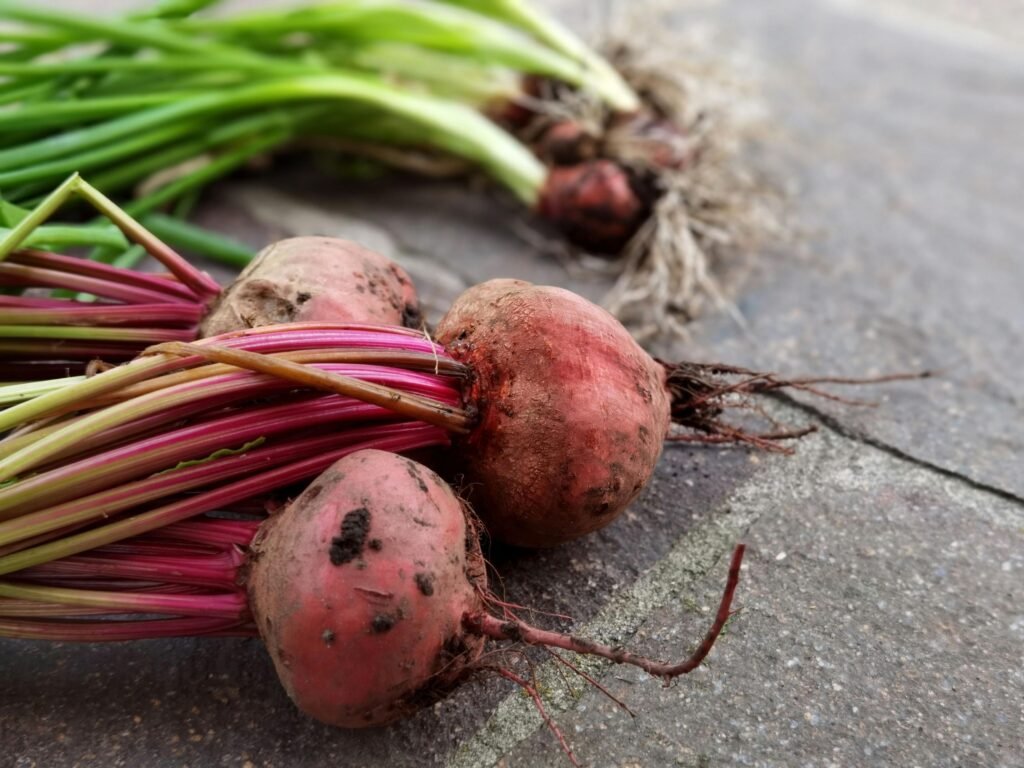
You can roast, steam, or boil yellow beets. They work well in salads, soups, and as side dishes.
Eating yellow beets often lets you enjoy all their benefits.
Simple Recipe Idea
Roast yellow beets with olive oil, garlic, and herbs for a simple dish that brings out their natural sweetness and is easy to enjoy.
Are There Any Side Effects?
Yellow beets are safe for most people, but they do have oxalates, which can be a concern for people with kidney problems.
Eating yellow beets in moderation lets you enjoy their benefits safely.
Tips to Get Maximum Benefits of Yellow Beets
To get the most from yellow beets, do not overcook them. Cooking them lightly keeps more nutrients.
Eat yellow beets with foods rich in vitamin C to help your body absorb their nutrients better.
Watch: Health Benefits of Beets Explained
Check out this helpful video from Dr. Eric Berg DC :
Frequently Asked Questions
Are yellow beets healthier than red beets?
Both are healthy, but yellow beets taste milder and are easier to add to meals.
Can you eat yellow beets every day?
Yes, you can eat them regularly as part of a balanced diet.
Do yellow beets help with weight loss?
Yes, their fiber and low-calorie content support weight management.
Are yellow beets anti-inflammatory?
Yes, they contain antioxidants that help reduce inflammation.
Final Thoughts
The benefits of yellow beets make them a valuable addition to your daily diet. They support heart health, digestion, and overall wellness in a natural way.
With their mild taste and easy preparation, yellow beets are perfect for families looking to eat healthier. Including them in your meals is a simple step toward a balanced and healthy lifestyle.
References
- USDA FoodData Central: https://fdc.nal.usda.gov
- National Institutes of Health: https://www.nih.gov
- Cleveland Clinic: https://my.clevelandclinic.org