Meditation for Kids: Simple Scripts for Calm and Better Sleep
Meditation for kids means taking a short moment to notice what’s happening right now, like a sound, a breath, or how your feet feel on…
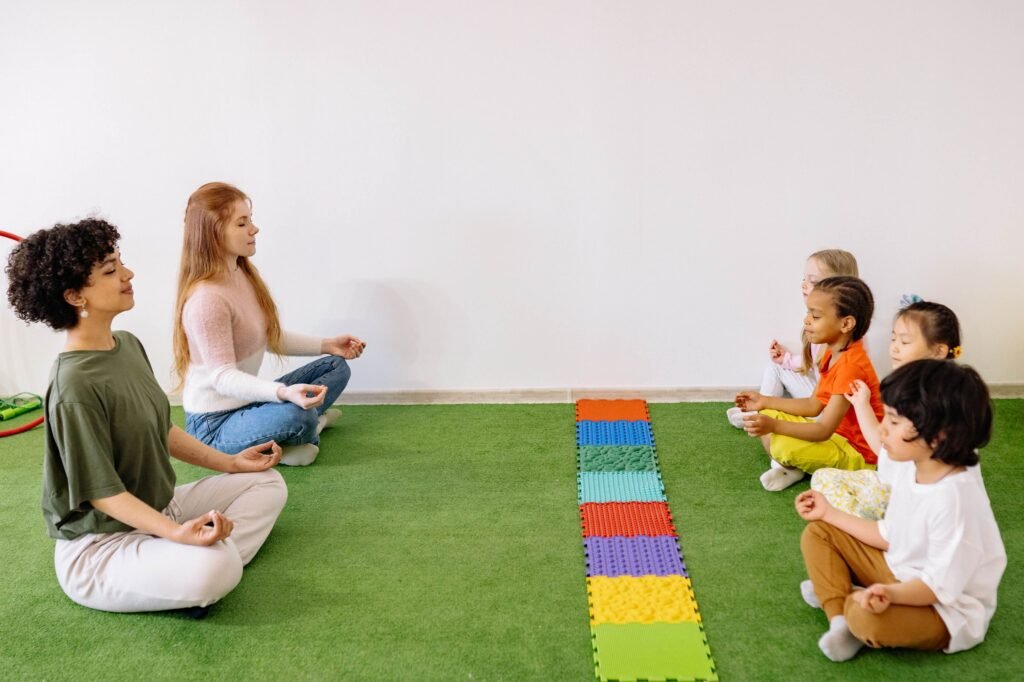
Meditation for kids means taking a short moment to notice what’s happening right now, like a sound, a breath, or how your feet feel on the floor. Try starting with two minutes together. Let your child move around or keep their eyes open, and be ready to stop if needed.
Maybe your child is in pajamas but still thinking about an argument from earlier. Listen to them first, then suggest a quiet activity. Saying, “Would you like to try listening with me?” gives them a choice without asking them to ignore their feelings.
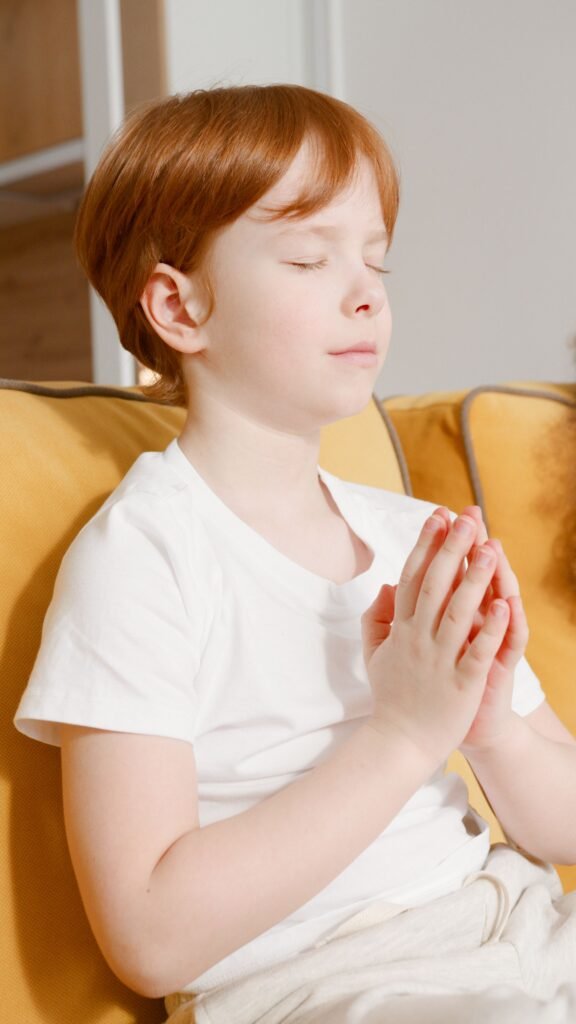
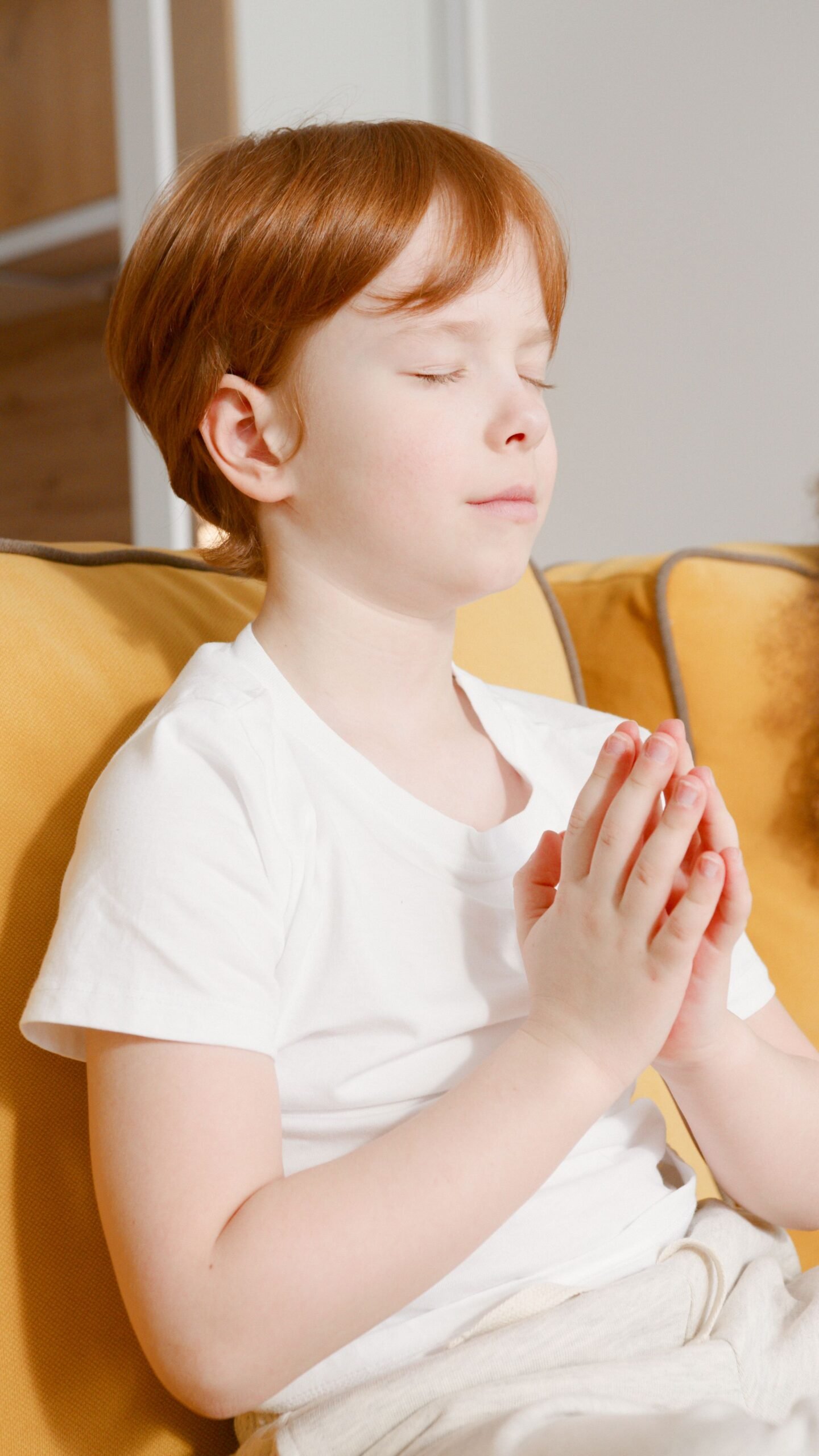
Can meditation help children to calm down and sleep?
The AAP encourages families to look into meditation and cites research which suggests it can be beneficial for attention, behaviour and sleep. They also recommend incorporating a breathing practice into bedtime routines to help children unwind.
This supports the idea of trying gentle practices, but it does not prove that these scripts will improve sleep. These are new activities for families to try, not proven treatments. If a child finishes feeling awake, that’s okay—they haven’t failed.
If you want to explore being more aware in daily life, our Mindful Living guide covers how to pay attention during everyday activities.
How should you introduce the scripts?
Try the shortest version when you have some free time during the day. Read it to your child in your usual, friendly voice. You don’t need music, an app, or any special equipment.
- Ask them whether they prefer to sit, stand or lie down.
- Offer a sound or a visible object if focusing on the breathing feels uncomfortable.
- Just keep breathing naturally. Skip the breath holds and the forced deep breaths.
- Stop if your child is distressed, dizzy or otherwise unwell.
Timing: Set a silent timer. Read each part at the time shown, then leave a quiet pause until the next time. Finish when the script says to. The pauses are important, but you can make them shorter if your child prefers. Simply read the quoted text out loud.
Two-minute script: listening where you are
Use this short, calming meditation for kids who like to focus on something they can notice or sense.
0:00
“Find a comfortable place. You can keep your eyes open. Just notice where your feet or body are touching the floor, the chair, the bed etc. You can move around until you’re comfortable.”
0:30
“Listen for one sound. Perhaps someone is moving around, or you can hear a fan. You don’t need to name it at all. Just be aware that there is one sound.”
1:00
“Now notice another sound if there is one. If a thought arises that’s perfectly fine. You can listen again at any time when you remember.”
1:30
“Look around and pick a colour. Notice your feet again. We could sit in silence for a bit longer or we could finish off now.”
2:00: End quietly.
Five-minute script: a small garden
Share this version with a child who enjoys imagining places. If that feels hard for them, try looking at a real view through a window instead.
0:00
‘Imagine a little garden that you’d like to visit. You could sit on a bench, you could stand by the gate or you could pick any other spot. Just keep your eyes open if you like.’
1:00
“Pick one thing in your garden to observe. A leaf, a stone, a flower or something you’ve made up. What colour is it? There is no picture for you to copy.”
2:00
“Simply note your hands resting in the room. Let your breathing be entirely unattended to. You can imagine the garden again if you like, or just keep your gaze fixed on something in the room.”
3:00
“Perhaps a thought about today has come. Let me know if you need any help with it. Otherwise just leave it there whilst you go back to looking at your chosen leaf or stone.”
4:00
“We have a bit of quiet time left. Choose whether to stay in the garden or notice the room. You can stretch your fingers as and when you like.”
5.00: Finish and ask if they’d like to use the garden again.
Ten-minute script: settling at bedtime
This sleep meditation for kids includes longer quiet times. Only use it if your child enjoys that. The shorter version works just as well.
0:00
“Get into a position that’s comfortable for you. Adjust your pillow or blanket as necessary. You can leave your eyes open. We’re going to have a period of quiet together and you can ask me to stop at any time.”
2:00
“Note where the bed supports you. You may well be feeling it under your back, your side or your legs. You can move if you need to. Nothing has to remain absolutely still.”
4:00
“Listen to the sounds around you. Close sounds or sounds that are further away. If listening is easier than becoming aware of your body, stay with the sounds.”
6:00
“If tomorrow comes into your thoughts you can tell me anything that needs help. We don’t have to go through every little thing tonight. For now just notice that one familiar sound again.”
8:00
I’ll leave some more quiet time now. You don’t have to say anything or try to fall asleep. Just rest here.
10.00: Finish speaking without asking a sleeping child for feedback.
What if your child hate meditation?
Accept their answer and suggest reading, drawing, or another quiet activity. Our relaxation hobbies article has ideas that adults can use with kids.
At bedtime, remember to keep a regular routine. The AAP recommends having set bed and wake times and keeping screens out of the bedroom. Our sample daily routines can help you set this up.
When would you need to see a professional?
Speak with your paediatrician if your child has ongoing sleep problems, snores, or if anything is affecting their daily life. The NCCIH notes that there is limited research on children’s safety, and some relaxation techniques can sometimes make symptoms worse. Be sure to talk about any health conditions or trauma before starting any program.
This is general information, not medical advice. For more family resources, see The Family Wellness. Tonight, try the shortest script and let your child choose if they want to hear it again.
Sources
- American Academy of Pediatrics: Just Breathe—The Importance of Meditation Breaks for Kids. Updated August 16, 2023. Supports the cautious overview of possible benefits and bedtime breathing practice.
- American Academy of Pediatrics: Sleep and Health—Why Rest Matters for Your Child—and Your Whole Family. Updated March 27, 2026. Supports consistent sleep timing, screen guidance and medical attention for sleep-related concerns.
- NCCIH: 7 Things to Know About Mind and Body Practices for Children and Teens. Supports safety limitations and discussing complementary practices with a child’s healthcare provider.