Calendula Flower Tea: Benefits, Recipe, Uses, and Safety
Calendula flower tea is a soothing herbal drink made from the dried petals of Calendula officinalis. This bright golden tea has been used in traditional…
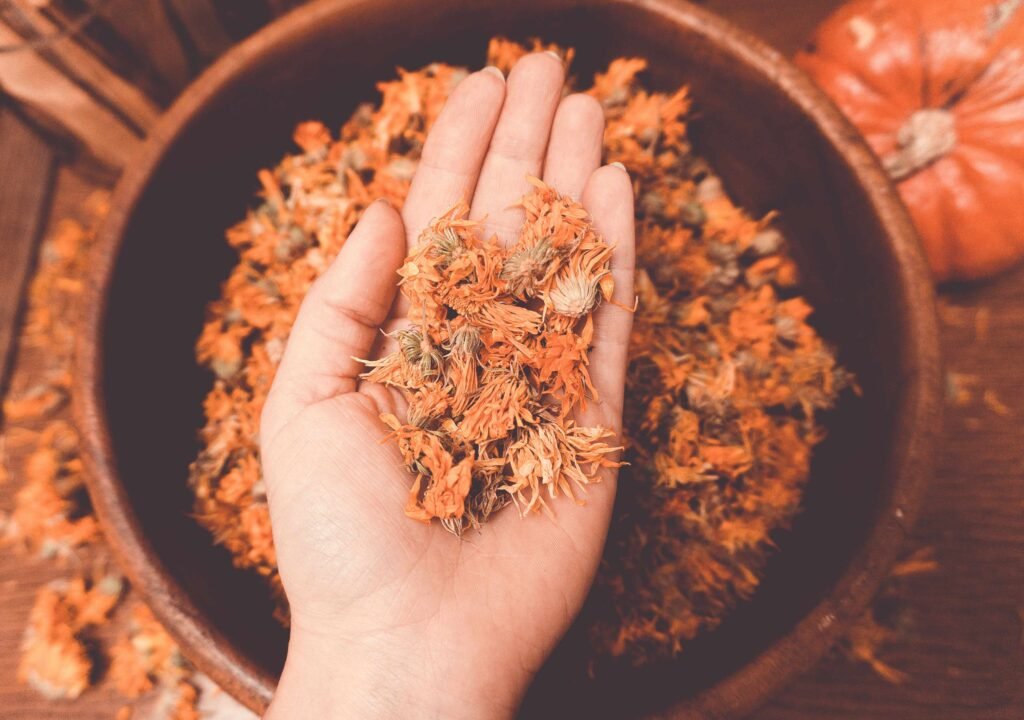
Calendula flower tea is a soothing herbal drink made from the dried petals of Calendula officinalis. This bright golden tea has been used in traditional herbal medicine for centuries because of its pleasant taste and potential health benefits. Today, many people enjoy calendula flower tea as a caffeine-free beverage that may support overall wellness.
The growing popularity of calendula flower tea comes from its rich supply of antioxidants and its long history of traditional use for skin care, digestion, and relaxation. While researchers continue to study its health effects, current evidence suggests that calendula flower tea can be a healthy addition to a balanced lifestyle when enjoyed in moderation.

What Is Calendula Flower Tea?
Before exploring the many benefits of calendula flower tea, it’s important to understand what it is.
Calendula flower tea is made from the dried petals of Calendula officinalis, also known as pot marigold. It should not be confused with ornamental marigolds (Tagetes species), which belong to a different plant group and are not commonly used for herbal tea.
This herbal infusion has a mild, earthy flavor with slightly peppery and floral notes. Since calendula flower tea is naturally caffeine-free, it is suitable for people looking for a relaxing drink in the evening or anyone trying to reduce caffeine intake.
Calendula petals contain beneficial plant compounds, including flavonoids, carotenoids, polyphenols, and triterpenoids. These natural substances are responsible for many of the potential calendula flower tea benefits being studied today.
Top Calendula Flower Tea Benefits
1. Rich in Antioxidants
One of the best-known calendula flower tea benefits is its high antioxidant content.
Antioxidants help protect your body’s cells from damage caused by unstable molecules called free radicals. Over time, excessive oxidative stress may contribute to chronic diseases and the aging process.
Research published through PubMed has shown that calendula contains flavonoids and carotenoids with antioxidant activity. While more human studies are needed, laboratory research continues to support calendula’s antioxidant potential. Learn more at https://pubmed.ncbi.nlm.nih.gov/?term=Calendula+officinalis.
2. May Support Skin Health
Another popular reason people drink calendula flower tea is its traditional connection to healthy skin.
Calendula has long been used in creams, oils, and herbal preparations designed to soothe dry or irritated skin. Drinking calendula flower tea provides antioxidant compounds, while cooled tea may also be used externally as a gentle facial rinse on healthy, intact skin.
According to the National Center for Complementary and Integrative Health (NCCIH), herbal products like calendula have a long history of traditional use, although additional high-quality research is still needed. Learn more at https://www.nccih.nih.gov/.
3. May Promote Wound Healing
Calendula extract has been studied for its role in supporting wound healing when applied topically.
Some research suggests calendula preparations may help encourage collagen production and tissue repair. However, most of this research involves creams, gels, or extracts rather than calendula flower tea itself.
If you choose to use cooled calendula flower tea externally, apply it only to healthy, intact skin unless advised otherwise by a healthcare professional.
4. May Have Antimicrobial Properties
Laboratory studies suggest calendula contains compounds with antibacterial and antifungal activity.
These findings have led to interest in using calendula flower tea as a gentle herbal mouth rinse or skin rinse. However, laboratory results do not necessarily translate into proven medical treatments.
Calendula flower tea should never replace prescribed medications or professional medical advice.
5. May Soothe the Digestive System
Many herbal traditions recommend calendula flower tea after meals.
Its warm, gentle nature may help support comfortable digestion while encouraging healthy hydration. Although modern clinical evidence remains limited, many people enjoy calendula flower tea as part of their digestive wellness routine.
6. May Support Oral Health
Some studies have investigated calendula’s potential role in supporting gum health.
Using cooled calendula flower tea as a mouth rinse may help freshen the mouth and complement good oral hygiene practices. However, brushing, flossing, and regular dental checkups remain the foundation of healthy teeth and gums.
7. May Encourage Relaxation
Because calendula flower tea contains no caffeine, it makes an excellent evening beverage.
Many people enjoy the simple ritual of preparing a warm herbal tea before bed. While calendula flower tea is not a sleep medicine, replacing caffeinated drinks with herbal tea may help support a calming bedtime routine.
How to Make Calendula Flower Tea
Making calendula flower tea at home is simple and takes only a few minutes.
Ingredients
- 1–2 teaspoons dried calendula petals
- 1 cup (240 ml) hot water (90–95°C / 194–203°F)
- Honey (optional)
- Lemon slices (optional)
Step-by-Step Instructions
- Heat fresh water until it is hot but not boiling vigorously.
- Place the dried calendula petals into a teapot or mug.
- Pour the hot water over the petals.
- Steep for 5–10 minutes, depending on your preferred strength.
- Strain the petals.
- Add honey or lemon if desired and enjoy your calendula flower tea warm.
For iced calendula flower tea, let the tea cool before serving it over ice with fresh lemon slices.
If you plan to use calendula flower tea externally as a compress or mouth rinse, brew a slightly stronger infusion by using additional petals and allow it to cool completely before use.
Internal and External Uses of Calendula Flower Tea
Internal Uses
Drinking calendula flower tea may help you stay hydrated while providing naturally occurring antioxidant compounds. Many people also enjoy it after meals or as a relaxing caffeine-free beverage in the evening.
External Uses
Cooled calendula flower tea has several traditional external uses. Some people use it as a gentle facial rinse, a cooled compress for healthy skin, a mild herbal mouthwash, or a final hair rinse.
Always use freshly prepared tea and avoid applying it to open wounds or infected skin without medical guidance.
Potential Side Effects and Precautions
Although calendula flower tea is generally considered safe for most healthy adults, some precautions are important.
People who are allergic to ragweed, daisies, chrysanthemums, or other plants in the Asteraceae family may also react to calendula.
Pregnant or breastfeeding women should speak with a healthcare provider before drinking calendula flower tea regularly because safety data remain limited. If you take prescription medications or have ongoing medical conditions, consult your healthcare professional before adding herbal teas to your routine.
Frequently Asked Questions
Is calendula flower tea safe to drink daily?
Most healthy adults can enjoy calendula flower tea in moderation as part of a balanced diet. If you have allergies or medical conditions, consult your healthcare provider first.
Does calendula flower tea contain caffeine?
No. Calendula flower tea is naturally caffeine-free.
What does calendula flower tea taste like?
Calendula flower tea has a mild floral flavor with slightly earthy and peppery notes. Many people add honey or lemon to enhance the taste.
Can calendula flower tea be used on the skin?
Yes. Cooled calendula flower tea is traditionally used as a gentle skin rinse or compress for healthy, intact skin.
How long should I steep calendula flower tea?
Steep calendula flower tea for 5–10 minutes depending on how strong you prefer the flavor.
Final Thoughts
Calendula flower tea is a simple yet versatile herbal drink that combines tradition with promising scientific research. Its antioxidant-rich profile, pleasant taste, and caffeine-free nature make it a wonderful choice for people seeking a gentle wellness beverage.
Although more clinical research is needed to confirm many traditional claims, calendula flower tea remains a popular herbal infusion for relaxation, digestive comfort, and overall wellness. Enjoy it responsibly, follow proper preparation methods, and remember that herbal teas work best as part of a healthy lifestyle—not as a replacement for professional medical care.
Recommended YouTube Resource
Here’s a helpful video:
References
- National Center for Complementary and Integrative Health (NCCIH): https://www.nccih.nih.gov/
- PubMed – Calendula Research: https://pubmed.ncbi.nlm.nih.gov/?term=Calendula+officinalis
- Memorial Sloan Kettering Cancer Center – Calendula: https://www.mskcc.org/cancer-care/integrative-medicine/herbs/calendula
- Mayo Clinic – Healthy Lifestyle: https://www.mayoclinic.org/
- American Botanical Council (HerbalGram): https://www.herbalgram.org/