Spearmint Green Tea: Benefits, Recipe, and Best Time to Drink It
Spearmint green tea is gaining popularity with those interested in natural wellness. It blends green tea leaves and spearmint for a drink that’s rich in…
Spearmint green tea is gaining popularity with those interested in natural wellness. It blends green tea leaves and spearmint for a drink that’s rich in antioxidants, has a gentle caffeine kick, and tastes cool and refreshing. You can enjoy it in the morning or after meals, making it a simple way to support a healthy lifestyle.
People often pick spearmint green tea for its possible benefits, like helping digestion, boosting focus, and offering antioxidants. While studies on green tea and spearmint are promising, researchers are still learning about their combined effects. In this article, you’ll find out about the possible health benefits, how to make spearmint green tea at home, the best times to drink it, and some safety tips.

What Is Spearmint Green Tea?
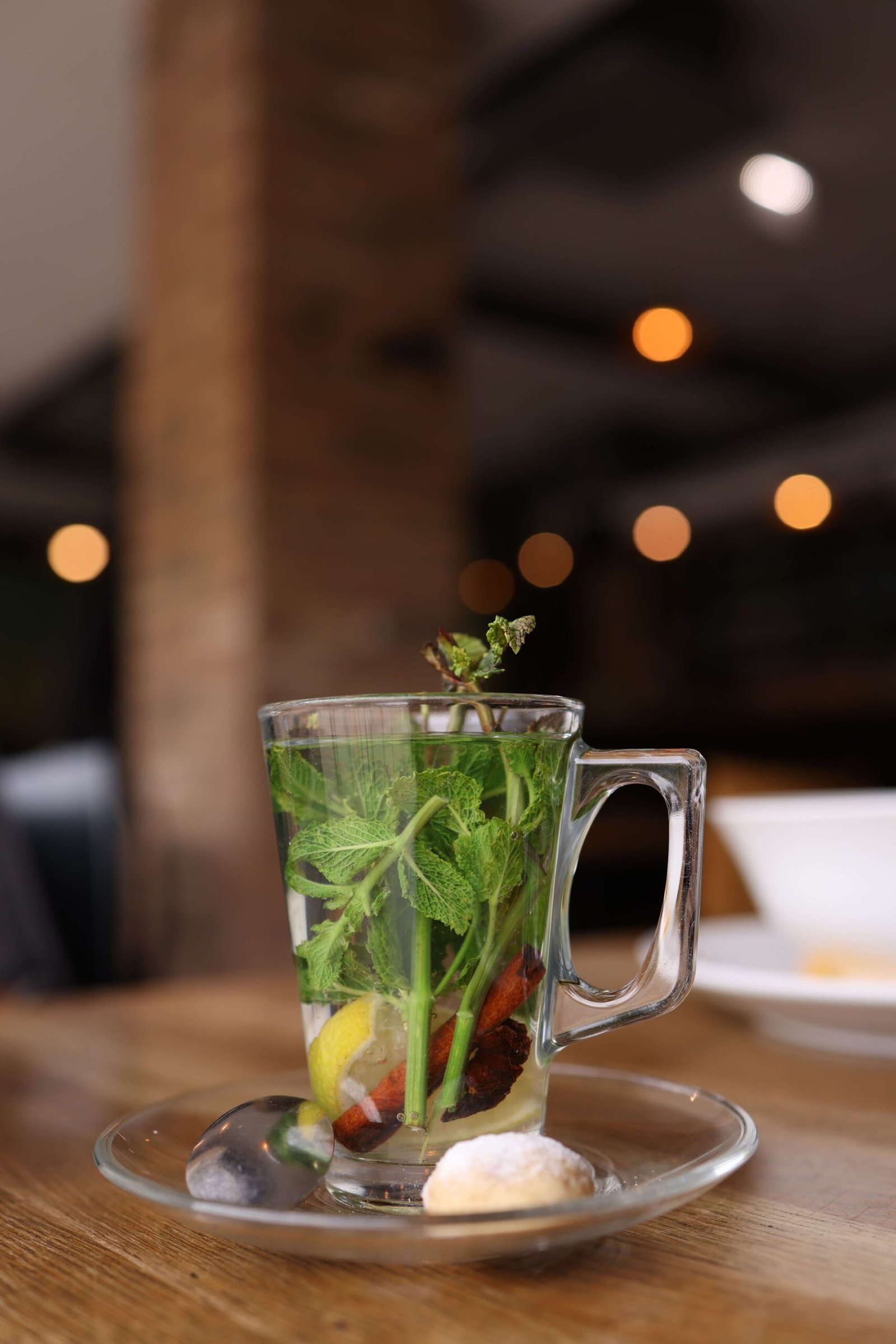
Spearmint green tea mixes traditional green tea leaves (Camellia sinensis) with fresh or dried spearmint leaves (Mentha spicata). This creates a light, refreshing drink with a mild mint flavor that’s softer than peppermint.
Spearmint green tea has natural caffeine from the green tea leaves, unlike plain spearmint tea. Still, it has much less caffeine than coffee. A typical cup of green tea has about 28–35 mg of caffeine, while brewed coffee has around 95 mg, according to the U.S. Food and Drug Administration (FDA). Learn more at https://www.fda.gov/.
This blend offers a gentle energy boost and a refreshing taste, so many people enjoy spearmint green tea at different times of the day.
Top Spearmint Green Tea Benefits
1. Rich in Antioxidants
A major benefit of spearmint green tea is that it’s packed with antioxidants.
Green tea is rich in catechins, especially epigallocatechin gallate (EGCG), and spearmint has helpful plant compounds like rosmarinic acid and carvone. These work together to help protect your cells from damage caused by free radicals.
According to the Harvard T.H. Chan School of Public Health, green tea is one of the richest dietary sources of polyphenol antioxidants. Read more at https://www.hsph.harvard.edu/.
2. May Support Digestive Health
Many people like to drink spearmint green tea after eating, since mint has long been used to help with digestion.
Spearmint may help ease bloating and mild stomach discomfort, and drinking warm tea helps you stay hydrated. Even though more research is needed, this is still a popular reason people enjoy spearmint green tea.
3. May Help Promote Hormonal Balance
Some research suggests spearmint tea may help support hormonal balance in women, especially those with polycystic ovary syndrome (PCOS).
Several small studies published through PubMed have reported improvements in hormone markers and reductions in unwanted facial hair after regular consumption of spearmint tea. However, it is important to note that most research focuses on spearmint tea, not specifically spearmint green tea. Browse the studies at https://pubmed.ncbi.nlm.nih.gov/?term=spearmint+tea.
4. May Improve Focus and Alertness
Spearmint green tea gives you moderate caffeine along with L-theanine, an amino acid found in green tea, which is different from coffee.
Studies show that this mix can help you focus and feel calmer compared to caffeine alone. Many people choose spearmint green tea for studying, working, or staying productive without feeling too wired.
5. May Support Immune Health
Spearmint green tea is also full of plant compounds that help support your overall health.
No tea can prevent illness by itself, but antioxidants, along with a healthy diet, exercise, and good sleep, can help keep your immune system strong.
6. May Help Reduce Stress
Sometimes, the best benefit is simply taking a moment to slow down.
Making a warm cup of spearmint green tea can become a calming daily habit. The fresh mint smell and gentle warmth can help you unwind after a long day.
The National Center for Complementary and Integrative Health (NCCIH) notes that aromatic herbs may contribute to relaxation for some people, although responses vary between individuals. Learn more at https://www.nccih.nih.gov/.
7. Supports Healthy Hydration
Switching out sugary drinks for spearmint green tea is an easy way to make your daily drinks healthier.
Since tea is mostly water, it helps you stay hydrated and gives you natural flavor without extra sugar. That’s why spearmint green tea is a great choice if you want to keep up healthy hydration.
How to Make Spearmint Green Tea at Home
It’s quick and easy to make spearmint green tea, and you only need a few ingredients.
Ingredients
- 1 green tea bag or 1 teaspoon loose green tea
- 6–8 fresh spearmint leaves or 1 teaspoon dried spearmint
- 1 cup (240 ml) hot water (75–85°C / 167–185°F)
- Honey (optional)
- Lemon slices (optional)
Step-by-Step Instructions
- Heat the water until it’s hot, but not boiling.
- Place the green tea and spearmint leaves into your cup or teapot.
- Pour the hot water over the ingredients.
- Let it steep for 2–3 minutes so it doesn’t get bitter.
- Remove the tea leaves and mint.
- Add honey or lemon if you like, and enjoy.
If you want iced spearmint green tea, let the tea cool first, then pour it over ice with fresh mint leaves and lemon slices.
Best Time to Drink Spearmint Green Tea
The best time to drink spearmint green tea depends on what you’re looking for.
Morning is great if you want a gentle caffeine boost. Mid-afternoon is also a good time, especially when your energy starts to dip.
A lot of people also enjoy spearmint green tea after meals, since mint is often linked to digestive comfort.
Because it has caffeine, try not to drink spearmint green tea late at night if caffeine keeps you awake.
How to Store Spearmint Green Tea
Keep dried green tea and spearmint in airtight containers, away from heat, moisture, and sunlight.
Put freshly brewed spearmint green tea in the fridge and drink it within 48 hours for the best taste and quality.
Potential Side Effects and Precautions
Spearmint green tea is usually safe for most healthy adults, but it’s best to drink it in moderation.
Since it has caffeine, people who are sensitive might feel restless or have trouble sleeping. Also, drinking tea with meals can lower iron absorption for some people.
If you’re pregnant, breastfeeding, taking medication, or have a long-term health condition, check with your doctor before making spearmint green tea a regular habit.
Frequently Asked Questions
Is spearmint green tea healthy?
Yes. Spearmint green tea has antioxidants, moderate caffeine, and refreshing plant compounds that can help support a healthy lifestyle when you drink it as part of a balanced diet.
Does spearmint green tea contain caffeine?
Yes. Since it’s made with green tea, spearmint green tea naturally has a moderate amount of caffeine.
Can I drink spearmint green tea every day?
Most healthy adults can drink spearmint green tea every day in moderation, unless their doctor says otherwise.
Is spearmint green tea good for digestion?
Many people have spearmint green tea after meals because spearmint has long been used to help with digestion, though more research is needed.
Can I make it with fresh spearmint leaves?
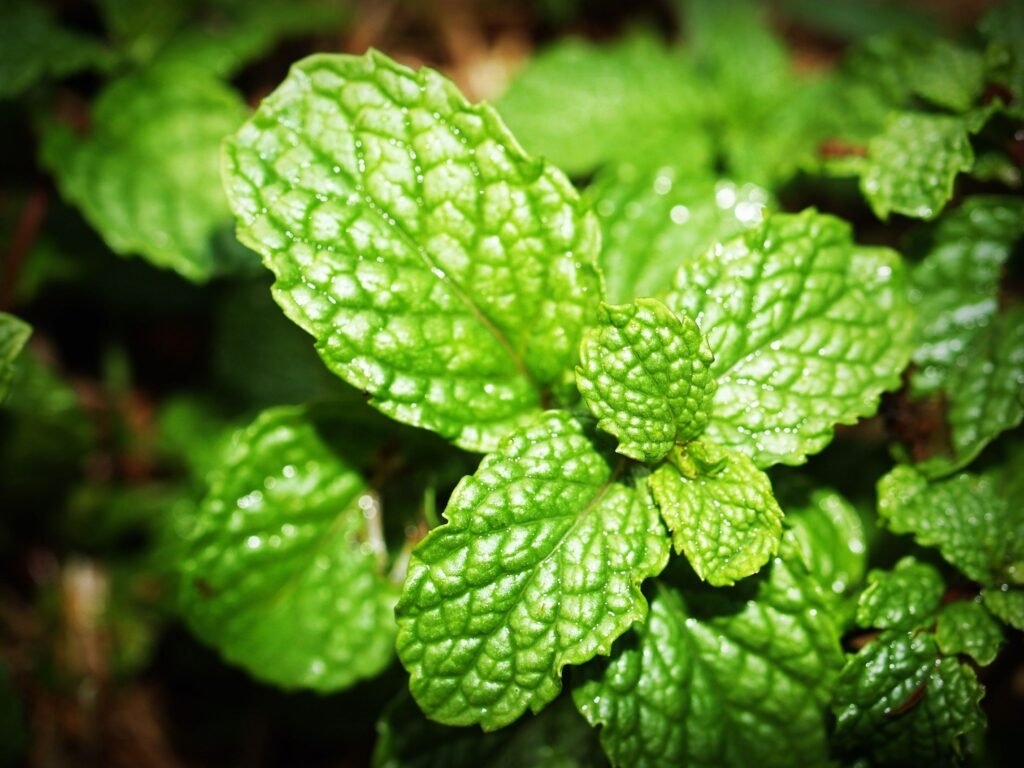
Absolutely. Fresh spearmint leaves add a bright, refreshing flavor to spearmint green tea and are great for making it at home.
Final Thoughts
Spearmint green tea brings together the antioxidants of green tea and the fresh taste of spearmint, making a drink that’s both tasty and good for you. Whether you want a gentle energy lift, a tasty swap for sugary drinks, or a relaxing afternoon treat, spearmint green tea is a great option.
While research is still ongoing, current evidence shows that spearmint green tea can fit into a balanced, healthy lifestyle. Drink it regularly, make it the right way, and combine it with healthy eating, exercise, and good sleep for the best results.
Recommended YouTube Resource
Here’s a helpful video:
References
- U.S. Food & Drug Administration (FDA) – Caffeine Information: https://www.fda.gov/
- Harvard T.H. Chan School of Public Health – The Nutrition Source (Tea): https://www.hsph.harvard.edu/nutritionsource/food-features/tea/
- National Center for Complementary and Integrative Health (NCCIH): https://www.nccih.nih.gov/
- PubMed – Spearmint Tea Research: https://pubmed.ncbi.nlm.nih.gov/?term=spearmint+tea
- Mayo Clinic – Healthy Lifestyle: https://www.mayoclinic.org/