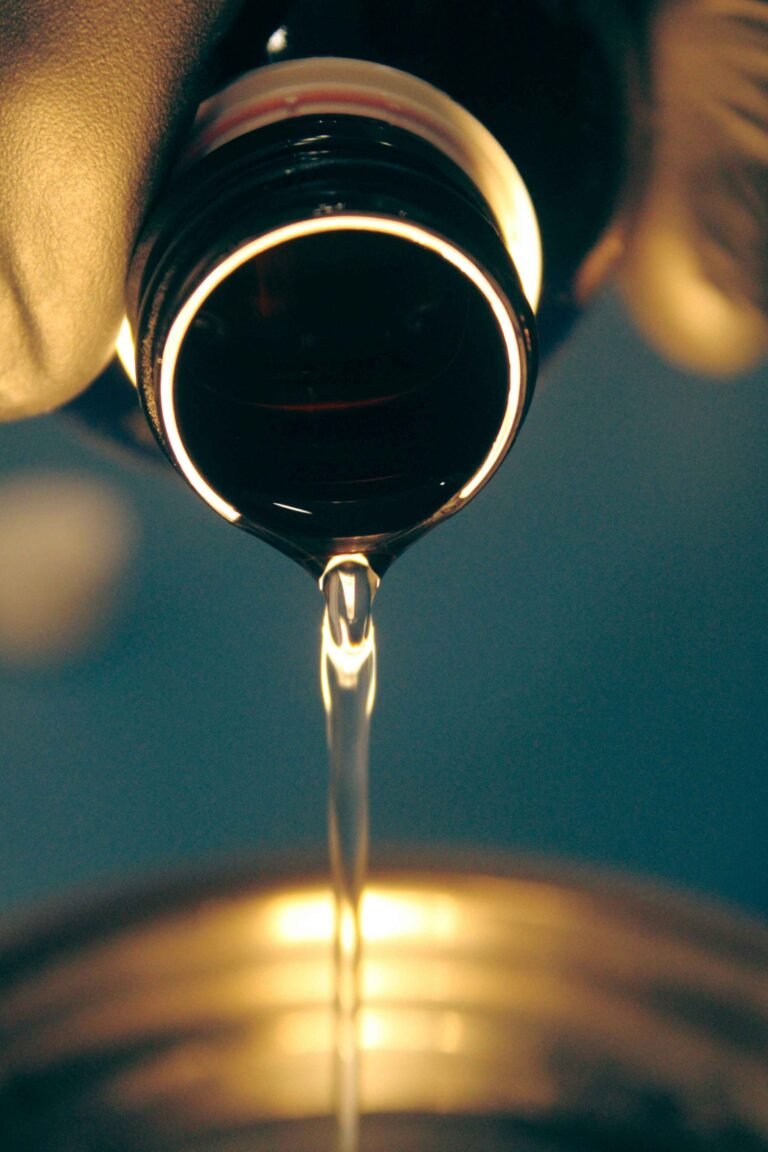
Rosemary Oil Recipe for Hair: Easy DIY Methods for Stronger, Healthier Hair
More people are turning to natural hair care, and rosemary is one ingredient that stands out. If you want a simple and budget-friendly way to…
More people are turning to natural hair care, and rosemary is one ingredient that stands out. If you want a simple and budget-friendly way to care for your hair, making rosemary oil at home could be a good option. Rosemary has been used in beauty routines for centuries, and new studies show it might help with hair growth and scalp health.
A lot of people use rosemary oil to nourish their scalp, strengthen their hair, and improve how it looks. The best part is you can make it yourself at home with just a few basic ingredients.
This guide will show you the benefits of rosemary oil, how to make it for your hair, and the safest ways to use it.

Why Rosemary Oil for Hair?
Rosemary isn’t just a tasty herb for cooking. It has natural compounds with antioxidant and anti-inflammatory effects that can be good for your scalp and hair.
People like using rosemary oil because it’s a natural option instead of store-bought hair treatments. It may help boost blood flow to your scalp, which can make it healthier for hair to grow.
What Science Says About Rosemary Oil
A well-known study published in the SKINmed Journal in 2015 found that rosemary oil worked about as well as 2% minoxidil for hair growth after six months, but caused less scalp itching.
Because of this research, many people have started adding rosemary oil to their hair care routines.
Benefits of Rosemary Oil for Hair
Encourages Healthy Hair Growth
Most people try rosemary oil for hair because it may help with hair growth.
Rosemary oil may help improve blood flow to the scalp, which can bring more nutrients to your hair roots.
Supports Scalp Health
Healthy hair starts with a healthy scalp. Rosemary oil has ingredients that might calm irritation and keep your scalp balanced.
Using rosemary oil on your hair regularly may help with dryness and keep your scalp cleaner.
May Help Reduce Hair Thinning
Hair can get thinner for lots of reasons, like aging, stress, or genetics.
Rosemary oil isn’t a cure for hair loss, but studies show it might help your hair look thicker if you use it regularly.
Improves Hair Strength
When hair is dry, it can get brittle and break more easily.
Using rosemary oil can help coat your hair, make it softer, and lower the chance of damage.
Adds Shine and Softness
Regular oil treatments can make your hair look and feel better. Many people say their hair is shinier and smoother after using rosemary oil.
Choosing the Best Carrier Oil
To make rosemary oil for your hair, start by picking the right carrier oil.
Coconut Oil
Coconut oil soaks into the hair and helps prevent protein loss.
Jojoba Oil
Jojoba oil is similar to the natural oils on your scalp and works for most hair types.
Argan Oil
Argan oil gives light moisture and is great for dry or damaged hair.
Castor Oil
Castor oil is thicker and often used in homemade hair growth treatments.
Sweet Almond Oil
Sweet almond oil has vitamin E and naturally softens hair.
How to Make Rosemary Oil for Hair
Ingredients You’ll Need
For a basic rosemary oil recipe for hair, gather the following:
- 1 cup carrier oil
- 2–3 tablespoons dried rosemary leaves
- Clean glass jar
- Fine mesh strainer
- Dark glass storage bottle
Equipment
- Small saucepan or double boiler
- Measuring cups
- Funnel
- Spoon
Rosemary Oil Recipe for Hair: Slow Infusion Method
The slow infusion method makes a rich, natural rosemary oil for hair without using direct heat.
Instructions
- Place dried rosemary leaves in a sterilized glass jar.
- Pour carrier oil over the rosemary.
- Seal the jar tightly.
- Store in a cool, dark place.
- Shake the jar every few days.
- Allow it to infuse for 2–4 weeks.
- Strain the oil into a clean bottle.
Benefits of Slow Infusion
This method keeps the plant’s delicate compounds and makes a gentle rosemary oil you can use often.
Rosemary Oil Recipe for Hair: Quick Heat Method
If you don’t want to wait weeks, the quick heat method lets you make rosemary oil in about an hour.
Instructions
- Combine rosemary and carrier oil in a double boiler.
- Heat on low for 30–60 minutes.
- Avoid boiling the mixture.
- Allow the oil to cool.
- Strain into a storage bottle.
Benefits of Quick Infusion
This method is quick and still gives you many of the same benefits as other rosemary oils.
5 DIY Rosemary Hair Oil Recipes
1. Basic Rosemary Hair Oil Recipe
Ingredients
- 2 tablespoons rosemary-infused oil
Directions
Apply directly to the scalp and massage gently.
2. Rosemary and Lavender Hair Oil Recipe
Ingredients
- 2 tablespoons rosemary oil
- 3 drops lavender oil
Benefits
Supports relaxation and scalp comfort.
3. Rosemary and Peppermint Hair Oil Recipe
Ingredients
- 2 tablespoons rosemary oil
- 2 drops peppermint oil
Benefits
Provides a refreshing scalp sensation.
4. Rosemary and Argan Oil Hair Serum
Ingredients
- 1 tablespoon rosemary oil
- 1 tablespoon argan oil
Benefits
Adds shine and softness.
5. Rosemary and Castor Oil Hair Growth Blend
Ingredients
- 1 tablespoon rosemary oil
- 1 tablespoon castor oil
Benefits
Creates a richer treatment for dry or thinning hair.
How to Use Rosemary Oil for Hair
Scalp Massage Treatment
Massage your rosemary oil hair recipe into the scalp for 5–10 minutes.
Overnight Hair Treatment
Apply the oil before bed and wash it out the next morning.
Pre-Shampoo Treatment
Use rosemary oil 30 minutes before shampooing to provide additional nourishment.
Add to Shampoo
Mix a few drops of your rosemary oil hair recipe into your shampoo or conditioner.
How Often Should You Use Rosemary Oil?
For Hair Growth
Use your rosemary oil recipe for hair two to three times weekly.
For Dry Hair
Apply once or twice weekly as a deep conditioning treatment.
For Oily Scalps
Use smaller amounts and focus on the scalp rather than the hair length.
Storage Tips for Homemade Rosemary Oil
Storing your rosemary oil the right way helps it last longer.
Best Containers
Use dark glass bottles to reduce light exposure.
Shelf Life
Most homemade rosemary oils will last six to twelve months if you store them properly.
Signs the Oil Has Gone Bad
Discard the oil if it develops:
- A sour smell
- Cloudiness
- Mold growth
Safety Tips and Precautions
Before using any rosemary oil recipe for hair, perform a patch test.
If you notice irritation, use less oil or stop using it. Pregnant women and people with health conditions should talk to a doctor before using essential oils often.

Frequently Asked Questions
Can I Make Rosemary Oil with Fresh Rosemary?
Yes, you can, but dried rosemary is usually better because it has less moisture and is less likely to spoil.
How Long Does Homemade Rosemary Oil Last?
If you store your rosemary oil the right way, it usually lasts up to a year.
Does Rosemary Oil Really Help Hair Growth?
Research shows rosemary oil might help with hair growth, but results can be different for everyone.
Can I Leave Rosemary Oil Overnight?
Yes, many people successfully use overnight treatments.
Final Thoughts on Rosemary Oil Recipe for Hair
Making rosemary oil at home is an affordable, natural way to help your hair look healthier. No matter which method you pick, using it regularly is important.
Using rosemary oil often can help nourish your scalp, improve your hair’s texture, and make it stronger over time. For the best results, pair it with a healthy diet, good hair care, and a little patience.
YouTube Resource
Here’s a helpful video:
References
SKINmed Journal – Rosemary Oil vs. Minoxidil Study
https://pubmed.ncbi.nlm.nih.gov/25842469/
American Academy of Dermatology (AAD)
https://www.aad.org
National Institutes of Health (NIH)
https://www.nih.gov
Cleveland Clinic – Hair Growth and Scalp Health
https://health.clevelandclinic.org
Mayo Clinic – Hair Loss Causes and Treatments
https://www.mayoclinic.org