Lemon Balm During Pregnancy: Safety, Benefits, and Tips
Introduction Many women look for natural ways to manage stress, sleep problems, or stomach issues during pregnancy. Herbal teas are a popular choice because they…
Introduction
Many women look for natural ways to manage stress, sleep problems, or stomach issues during pregnancy. Herbal teas are a popular choice because they feel gentle and calming. Lemon balm is one herb that often comes up in these conversations.
Lemon balm, or Melissa officinalis, is a calming herb from the mint family. People have used it for centuries to help with anxiety, sleep, and digestion. Because pregnancy brings so many changes, it makes sense to ask if lemon balm is safe during this time.
Not all herbal remedies are safe during pregnancy. The National Center for Complementary and Integrative Health says that many herbal supplements have not been fully studied in pregnant women. For more information, visit: https://www.nccih.nih.gov/health/lemon-balm.
Learning about the benefits, risks, and safe ways to use lemon balm during pregnancy can help expectant mothers make good decisions.
What Is Lemon Balm?
Lemon balm is a fragrant herb from the mint family. Its scientific name is Melissa officinalis, and it has a mild lemon scent and taste.
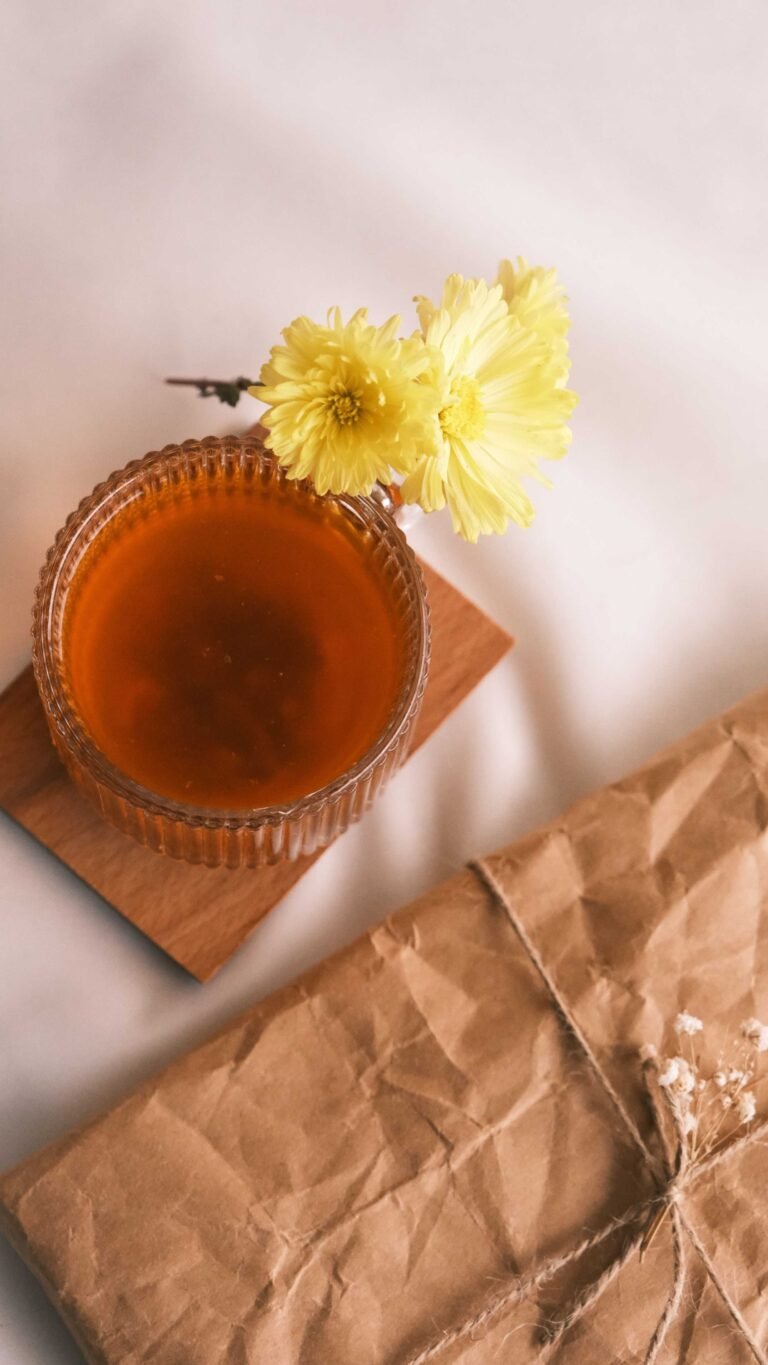
People have used lemon balm for a long time to relax and help with digestion. You can find it as tea, capsules, or extracts, but during pregnancy, tea is usually the most popular option.
Lemon balm contains natural compounds that may help you feel calmer and reduce mild stress. Since pregnancy often brings emotional changes and sleep issues, more people are interested in trying lemon balm.
Is Lemon Balm Safe During Pregnancy?
The main concern with lemon balm during pregnancy is safety. Even though lemon balm is generally considered gentle, there is not much scientific research about its safety for pregnant women.
Most health experts suggest being careful with herbal remedies during pregnancy. Even gentle herbs can interact with medications or affect your body in new ways when you are expecting.
The American Pregnancy Association explains that pregnant women should always consult a healthcare provider before using herbal products. You can read their guidance here: https://americanpregnancy.org.
For most women, an occasional small cup of lemon balm tea is usually mild. However, supplements or strong extracts should be avoided unless your healthcare provider approves them.
Potential Benefits of Lemon Balm During Pregnancy
Even though there is not much research, people have traditionally used lemon balm and believe it may offer some benefits during pregnancy if used with care.
May Help Reduce Stress and Anxiety
Pregnancy often brings emotional ups and downs. Changes in hormones, sleep, and daily routines can increase stress levels. Lemon balm contains compounds that may promote relaxation. A study published in the Mediterranean Journal of Nutrition and Metabolism found that lemon balm extract may help improve mood and reduce anxiety symptoms.
Because lemon balm is calming, some women choose it as a natural way to manage their emotions during pregnancy.
May Support Better Sleep
Getting good sleep can be tough during pregnancy. Physical discomfort, hormone changes, and anxiety can all make it harder to rest well.
Some herbal teas can help you relax before bed. Drinking lemon balm tea might make your nighttime routine feel more calming.
Although more research is needed, traditional herbal practices often recommend mild teas like lemon balm during pregnancy to help you relax before sleep.
May Help With Digestive Discomfort
Digestive problems are common during pregnancy. Many women experience bloating, indigestion, or mild stomach discomfort.
Lemon balm has long been used to support digestion. Some herbalists believe that using lemon balm during pregnancy may help calm the digestive system and ease mild discomfort.
Still, it is important for pregnant women to use herbal teas in moderation and talk to their healthcare provider first.
May Help Ease Mild Tension
Muscle tension and headaches can sometimes happen during pregnancy. Relaxing herbs may help ease mild tension.
Lemon balm is not a medical treatment, but its calming effect may help some people relax. This is another reason why lemon balm is sometimes mentioned in wellness discussions about pregnancy.
Lemon Balm Tea During Pregnancy by Trimester
Pregnancy has three trimesters, and the safety of herbs can vary at each stage. Knowing how lemon balm may affect each trimester can help expectant mothers make careful choices.
First Trimester
The first trimester is a sensitive time for your baby’s development. Many healthcare providers recommend avoiding herbal supplements during this stage unless your doctor says it is safe.
If you are considering lemon balm during the first trimester, it is especially important to talk to your doctor before drinking any herbal tea.
Second Trimester
During the second trimester, many women feel more comfortable exploring mild herbal teas. However, moderation remains important.
If your healthcare provider approves, having lemon balm tea occasionally may be fine for some women. Even then, it is best to keep it in moderation.
Third Trimester
In the third trimester, the body gets ready for childbirth. Herbal products should still be used with care.
Some herbs can affect hormones or digestion. So, anyone thinking about using lemon balm in the last months of pregnancy should talk to a healthcare professional first.
How to Safely Use Lemon Balm During Pregnancy
Safety is always most important when using herbs during pregnancy. If your doctor approves lemon balm, there are a few guidelines that can help you use it safely.
Choose high-quality herbal tea from trusted brands. Organic teas can help lower your exposure to pesticides or contaminants.
Avoid concentrated lemon balm supplements. Herbal extracts often have stronger doses than tea. Limit how much you drink. Having one mild cup occasionally is safer than drinking it often.e.
Always talk to your healthcare provider to make sure lemon balm is right for you during pregnancy.
Who Should Avoid Lemon Balm During Pregnancy?
Some people need to be especially careful with lemon balm during pregnancy.
Women with thyroid conditions may need to avoid lemon balm because the herb may influence thyroid hormone levels.
Anyone taking medications that affect the nervous system should also check with their doctor before using lemon balm.
Additionally, individuals allergic to plants in the mint family should avoid lemon balm.
If you have any medical conditions, your healthcare professional should help you decide about using lemon balm during pregnancy.
Other Herbal Teas Often Considered During Pregnancy
While learning about lemon balm during pregnancy, many women also look into other herbal teas.
Ginger tea is often used to help manage nausea and morning sickness.
Red raspberry leaf tea is sometimes used later in pregnancy to support uterine health.
Chamomile tea may promote relaxation, though it should also be consumed in moderation.
Even with these herbs, doctors still recommend consulting healthcare providers before use.
Final Thoughts on Lemon Balm During Pregnancy
Herbal remedies can be comforting during pregnancy, but safety is always most important. Learning about the possible effects of lemon balm during pregnancy can help mothers make thoughtful choices.
Lemon balm is a gentle herb that has been used for relaxation, digestion, and sleep support. However, there is still limited research on lemon balm during pregnancy. That is why moderation and medical guidance areso important.l.
Occasional lemon balm tea may be safe for some women if their healthcare provider approves it. However, supplements and concentrated forms should usually be avoided.
When used responsibly and with professional guidance, lemon balm during pregnancy may be part of a calming wellness routine for some expectant mothers.
Helpful Video
A trusted educational explanation from Herbs With Rosalee:
References
National Center for Complementary and Integrative Health
https://www.nccih.nih.gov/health/lemon-balm
American Pregnancy Association
https://americanpregnancy.org
Mediterranean Journal of Nutrition and Metabolism – Lemon Balm Research
https://www.ncbi.nlm.nih.gov