Forest Bathing (Shinrin-yoku) as a Healing Modality
In today’s fast-paced, technology-driven world, many people are seeking ways to reconnect with nature—and with themselves. One powerful, simple, and natural healing practice is forest…
In today’s fast-paced, technology-driven world, many people are seeking ways to reconnect with nature—and with themselves. One powerful, simple, and natural healing practice is forest bathing, known as Shinrin-yoku in Japan.
Forest bathing isn’t about hiking or exercising. It’s about mindfully immersing yourself in the sights, sounds, and smells of the forest, allowing nature to heal you in ways science is only beginning to understand.
Let’s explore how Shinrin-yoku can support emotional balance, reduce stress, and become a meaningful part of a holistic healing journey.
What is Forest Bathing (Shinrin-yoku)?
Shinrin-yoku translates to “taking in the forest atmosphere” or “forest bathing.” It began in Japan in the 1980s as a public health initiative, encouraging people to spend more time in forests to counteract the rising stress and burnout from urban living.
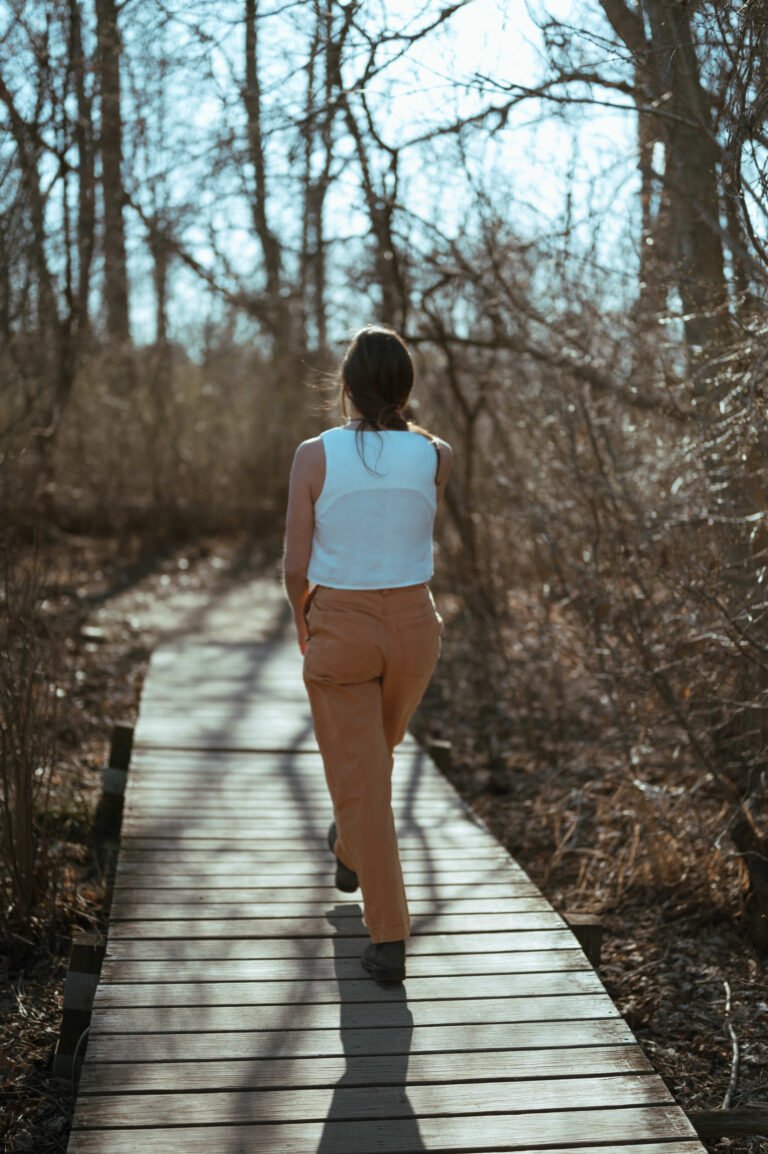
Forest bathing involves slowly and mindfully walking through a forest, park, or any natural environment. It’s about:
– Engaging all your senses
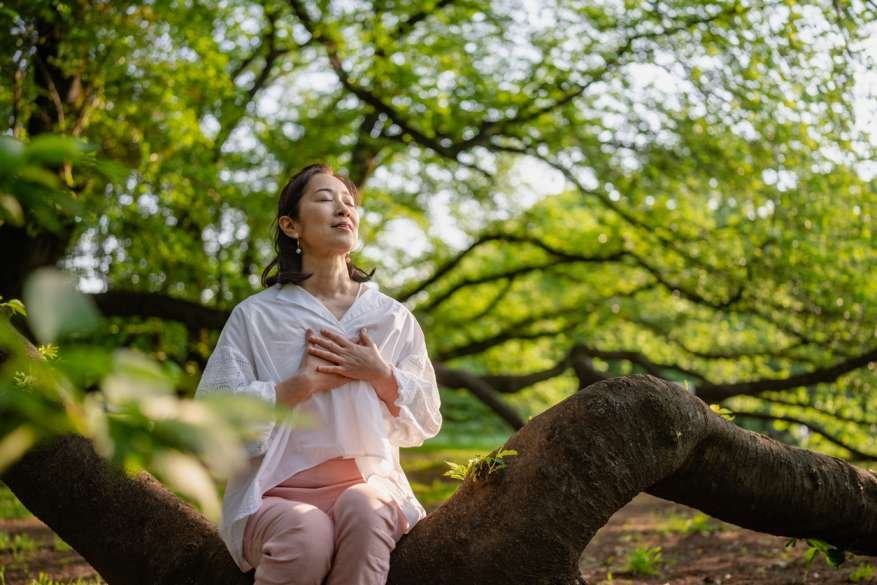
– Breathing deeply
– Observing nature with curiosity and openness
– Letting go of worries and distractions
There’s no destination or fitness goal. The focus is simply being with the forest, allowing it to nourish body and mind.
The Science Behind Forest Bathing
Over the past few decades, researchers have studied the effects of forest bathing—and the results are impressive.
1. Reduces Stress Hormones
A study published in Environmental Health and Preventive Medicine found that participants who walked in a forest had significantly lower cortisol levels (the stress hormone) compared to those who walked in urban areas (Park et al., 2010). Lower cortisol means less anxiety, better sleep, and improved mood.
2. Boosts Immune Function
Trees release organic compounds called phytoncides—natural oils that protect them from insects and disease. When we breathe in phytoncides during a forest bath, it boosts our immune system by increasing the number and activity of natural killer (NK) cells—white blood cells that fight viruses and cancer (Li, 2010).
3. Improves Mental Health
Forest bathing has been shown to decrease symptoms of depression, anxiety, and anger. A 2017 review in Frontiers in Psychology concluded that exposure to natural environments significantly improves emotional well-being, even after short visits (Twohig-Bennett & Jones, 2018).
Nature doesn’t just feel good—it changes the brain in ways that support healing and recovery.
How Forest Bathing Supports Emotional and Mental Healing
🌳 1. Creates Space for Emotional Release
Nature provides a safe, non-judgmental space to process emotions. Being surrounded by trees, water, and fresh air invites reflection and can gently bring buried feelings to the surface—allowing healing to happen naturally.
🌿 2. Enhances Mindfulness and Presence
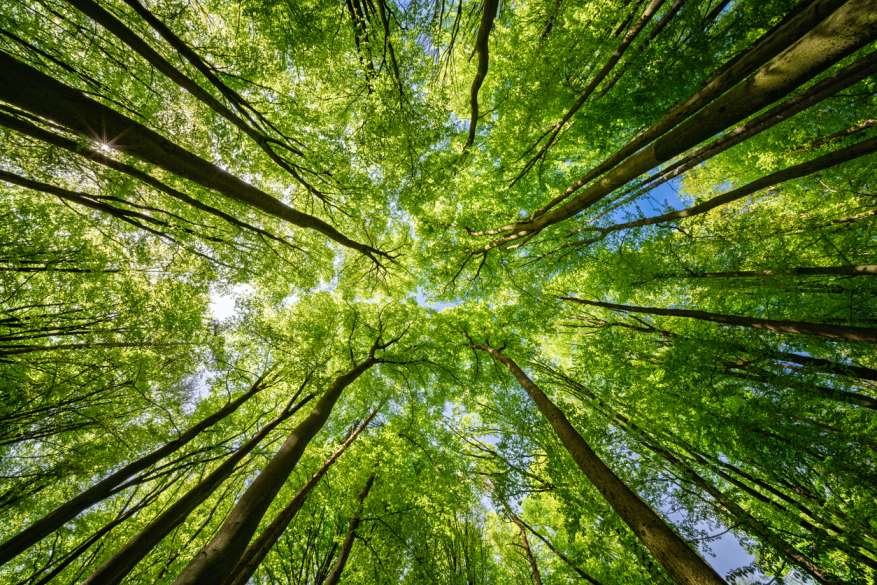
Forest bathing encourages mindfulness—being fully present without judgment. Instead of ruminating on the past or worrying about the future, your attention shifts to the rustling leaves, the scent of pine, the sunlight filtering through the branches.
This state of presence reduces anxiety and creates a sense of peace.
🌼 3. Restores a Sense of Connection
Addiction, trauma, and chronic stress often lead to feelings of disconnection—from ourselves, others, and the world. Forest bathing reminds us that we are part of something larger. Feeling connected to nature can rekindle hope, awe, and a sense of belonging.
How to Practice Forest Bathing
You don’t need a dense forest or a guide to benefit from Shinrin-yoku. Here’s a simple way to start:
1. Find a Natural Setting
This could be a park, garden, wooded trail, or even a tree-lined street. Any place with natural elements will do.
2. Leave Your Devices Behind
Turn off your phone or leave it in the car if possible. The goal is to be fully present, free from digital distractions.
3. Walk Slowly and Mindfully
There’s no rush. Meander, pause, and notice. Let your senses guide you rather than a specific path or destination.
4. Engage All Your Senses
– See the patterns in the bark, the movement of the leaves
– Hear the birds, the wind, the distant rustle of animals
– Smell the earth, flowers, or wet leaves
– Touch the textures of rocks, tree trunks, and moss
– Taste the fresh air
5. Sit or Lie Down
If a spot calls to you, sit down and rest. Listen, breathe, and simply be.
6. Reflect Gently
You might choose to journal afterward or simply carry the feeling of peace with you back into your day.
Forest Bathing as Part of Holistic Recovery
Many holistic treatment centers now include forest bathing as part of their programs for:
– Addiction recovery
– Trauma healing
– Stress reduction
– Mental health support
Because it’s natural, accessible, and requires no special equipment or skills, it’s an empowering practice for people at all stages of healing.
Incorporating even 20–30 minutes a few times a week can lead to noticeable improvements in mood, energy, and emotional balance.
Final Thoughts
Healing doesn’t always require complicated techniques or expensive treatments. Sometimes, the most profound healing happens when we return to the simplicity of nature.
Forest bathing reminds us that we are part of the earth, and the earth is here to support us. In the embrace of the trees, under the open sky, we find a space where stress dissolves, hearts soften, and true healing begins.
In a world that constantly demands more from us, Shinrin-yoku offers a gentle invitation:
Slow down. Breathe. Receive. Heal.
Sources
– Park, B. J., Tsunetsugu, Y., Kasetani, T., Kagawa, T., & Miyazaki, Y. (2010). The physiological effects of Shinrin-yoku (taking in the forest atmosphere or forest bathing): evidence from field experiments in 24 forests across Japan. Environmental Health and Preventive Medicine, 15(1), 18–26.
– Li, Q. (2010). Effect of forest bathing trips on human immune function. Environmental Health and Preventive Medicine, 15(1), 9–17.
– Twohig-Bennett, C., & Jones, A. (2018). The health benefits of the great outdoors: A systematic review and meta-analysis of greenspace exposure and health outcomes. Frontiers in Psychology, 9, 2320.