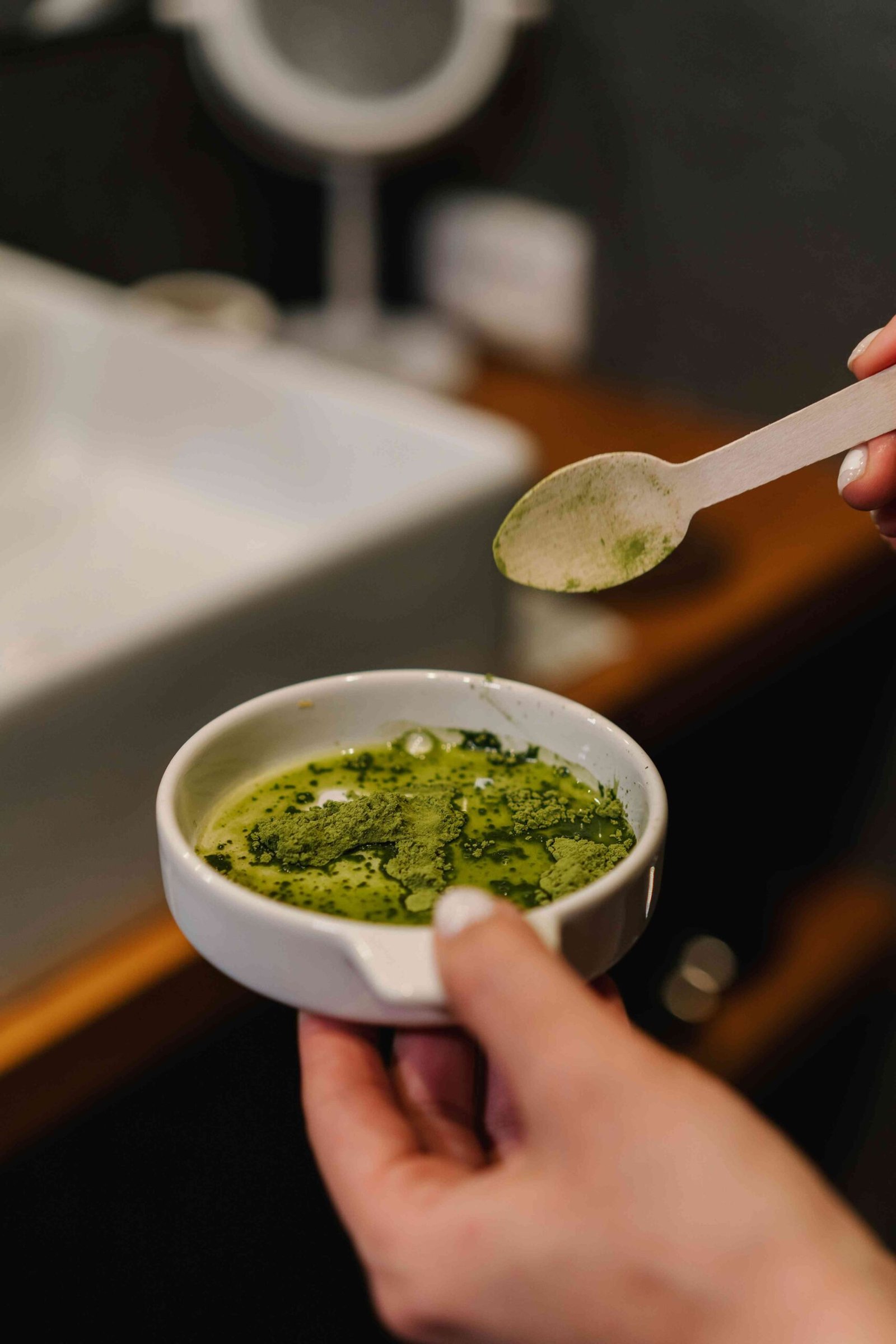
Green Tea and Anxiety: Can This Daily Drink Help You Feel Calm?
Anxiety is a common part of daily life for many people. Stress from work, family, and too much screen time can all add up. The…
Anxiety is a common part of daily life for many people. Stress from work, family, and too much screen time can all add up. The National Institute of Mental Health reports that about 19% of U.S. adults deal with an anxiety disorder each year. As a result, many people look for natural ways to manage stress. Green tea is often discussed as a possible option.
Many people wonder if green tea can really help them feel calmer. Some find it relaxing, while others worry that the caffeine might make anxiety worse. This article looks at what science says about green tea and anxiety, covers its benefits and risks, and helps you decide if it could be a good fit for your routine.
Why People Connect Green Tea and Anxiety
People in Japan and China have used green tea for meditation and quiet moments for hundreds of years. This tradition has led to the idea that green tea can help people feel calm. When discussing green tea and anxiety, the focus is usually on two main ingredients: L-theanine and caffeine.
Green tea has less caffeine than coffee. A typical cup of green tea has about 25 to 35 mg of caffeine, while coffee has about 95 mg, according to the U.S. Department of Agriculture. This lower caffeine amount is important when talking about green tea and anxiety.
At the same time, green tea contains a special amino acid called L-theanine. This compound may explain why green tea feels calming for many people.
What Is in Green Tea That May Affect Anxiety?
L-Theanine – The Calming Amino Acid
L-theanine is a natural amino acid found almost only in tea leaves. Researchers believe it increases alpha brain waves, which are associated with a relaxed yet alert mental state. This effect makes L-theanine central to the conversation about green tea and anxiety.
A study published in Nutrients found that L-theanine supplementation reduced stress-related symptoms in healthy adults compared to placebo (Unno et al., 2019, https://www.mdpi.com/2072-6643/11/10/2362). Participants reported improved mood and better sleep. These findings suggest that L-theanine may help reduce stress.
L-theanine in green tea seems to balance out the effects of caffeine. This balance can help people feel calm but not drowsy.
Caffeine – The Double-Edged Sword
Caffeine can help with focus and energy, but it can also cause a faster heartbeat and make some people feel nervous. The U.S. Food and Drug Administration says up to 400 mg of caffeine a day is usually safe for most adults. However, people with anxiety might notice symptoms with much less caffeine.
This is where things get tricky. Even though green tea has less caffeine than coffee, some people are sensitive and may still feel jittery. If you already have panic attacks or high anxiety, caffeine could make your symptoms worse.
For many, the lower caffeine in green tea makes it easier on the nerves than coffee. That’s why some people choose green tea instead of coffee to help manage anxiety.
What Does Research Say About Green Tea and Anxiety?
Researchers are still studying how green tea affects anxiety. One review in Phytomedicine looked at how green tea compounds impact mood disorders. The results showed that green tea and its active ingredients might help with stress and anxiety, but more large studies are needed (Cavanah et al., 2023, https://pubmed.ncbi.nlm.nih.gov/).
A small clinical study found that people who drank low-caffeine green tea had lower stress levels than those who drank regular green tea. This suggests that the amount of caffeine can affect how green tea and anxiety are linked.
Overall, research shows that green tea may help with anxiety, mainly because of L-theanine. Still, experts say green tea should not take the place of therapy or prescribed medicine.
Benefits of Green Tea Beyond Anxiety
While many people focus on green tea and anxiety, this drink offers other health benefits. Green tea contains antioxidants called catechins, especially EGCG. These compounds help protect the body against oxidative stress.
Harvard Health says green tea may help your heart and lower inflammation. Some research also suggests it can support brain health and healthy aging.
When people explore the link between green tea and anxiety, they often appreciate these additional wellness benefits. A simple cup of tea can support both mental and physical health.
Can Green Tea Make Anxiety Worse?
Even though green tea and anxiety are often talked about in a positive way, green tea isn’t right for everyone. If you are very sensitive to caffeine, even a little can make you feel restless.
Drinking green tea on an empty stomach may also cause mild nausea or discomfort. Poor sleep habits can worsen anxiety, and drinking green tea late at night may interfere with sleep.
Green tea extracts in supplements can have much more caffeine than regular brewed tea. These higher doses may cause more anxiety symptoms.
Paying attention to how your body reacts can help you decide if green tea is a good choice for managing anxiety.
How to Use Green Tea Safely If You Have Anxiety
Start With One Cup Daily
Begin with one cup in the morning. Notice how your body reacts. Track changes in mood or sleep.
Choose Low-Caffeine or Decaf Options
Low-caffeine green tea may provide L-theanine benefits with fewer stimulant effects. Decaf green tea still contains small amounts of L-theanine, which supports the link between green tea and anxiety.
Avoid Drinking Before Bed
Good sleep supports mental health. Stop drinking green tea at least six hours before bedtime to protect your sleep cycle.
Pair Green Tea With Relaxation Habits
Green tea works best as part of a healthy routine. Practice deep breathing, gentle yoga, or short walks. You can watch helpful videos from Doctor Mike on YouTube:
Combining these habits can make green tea even more helpful for managing anxiety.
Green Tea vs Coffee for Anxiety
When you compare green tea and coffee for anxiety, the main difference is the caffeine. Coffee gives a quick, strong boost, while green tea offers a gentler effect thanks to L-theanine.
Many people who switch from coffee to green tea report fewer anxiety symptoms. While individual responses vary, green tea may feel smoother and less intense.
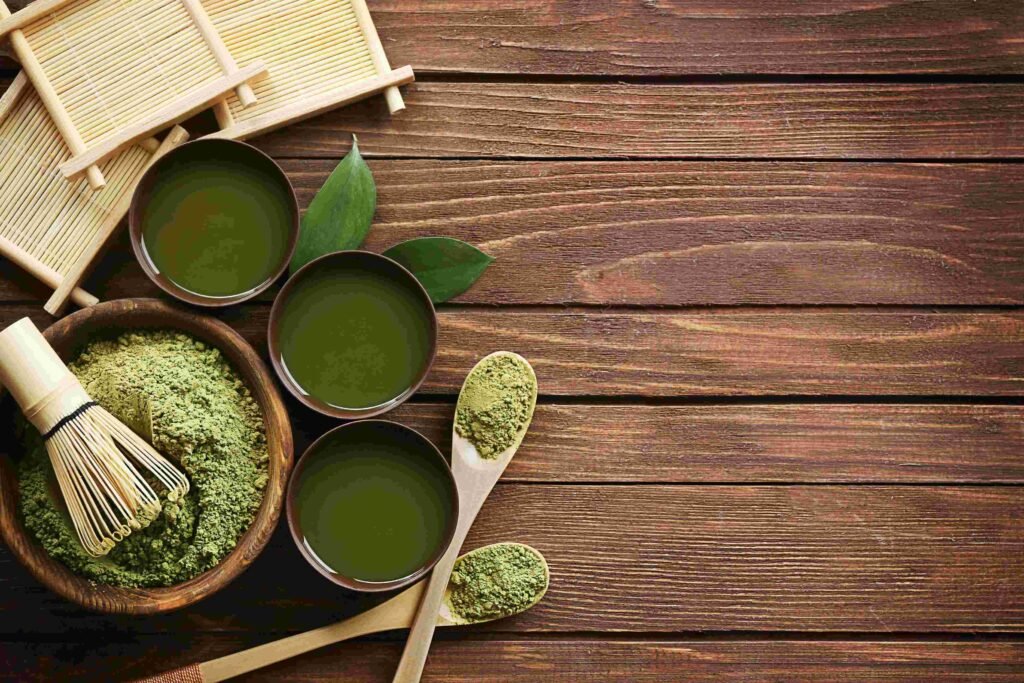
Final Thoughts on Green Tea and Anxiety
Green tea and anxiety have a promising but personal connection. Studies show that L-theanine may help lower stress and support calm focus, but caffeine can still raise anxiety in some people.
If green tea helps you feel calm, it can be a good addition to your family’s wellness routine. But if you have severe anxiety or take medication, be sure to talk to your healthcare provider first.
In the end, green tea and anxiety can coexist in a healthy way when consumed mindfully. A simple daily cup may offer comfort, clarity, and a small moment of peace in a busy world.
References
- National Institute of Mental Health. Anxiety Statistics.
https://www.nimh.nih.gov/health/statistics/any-anxiety-disorder - U.S. Department of Agriculture. FoodData Central.
https://fdc.nal.usda.gov/ - U.S. Food & Drug Administration. Caffeine Guidance.
https://www.fda.gov/food/metals-and-your-food/spilling-beans-how-much-caffeine-too-much - Unno, K. et al. (2019). Effects of L-Theanine on Stress. Nutrients.
https://www.mdpi.com/2072-6643/11/10/2362 - Harvard Health. Green Tea and Heart Health.
https://www.health.harvard.edu/staying-healthy/green-tea-may-lower-heart-disease-risk - Cavanah, A.M. et al. Systematic Review on Green Tea and Mood Disorders.
https://pubmed.ncbi.nlm.nih.gov/