Stretching for Stress Relief: Simple Moves to Calm Your Mind and Body
Stress is a normal part of life today. Long workdays, family responsibilities, and always being on screens can make your body feel tense and your…
Stress is a normal part of life today. Long workdays, family responsibilities, and always being on screens can make your body feel tense and your mind unsettled. The American Institute of Stress reports that 77% of people often have physical symptoms from stress, like neck pain, tight shoulders, headaches, or trouble sleeping.
Stretching can help relieve stress. Gentle stretches relax your muscles, slow your breathing, and help your nervous system feel safe. You do not need special equipment or a gym. Just a few quiet minutes and a little care for your body are enough.
This guide will explain how stretching helps with stress, show you some of the best stretches to try, and offer tips for making stretching a family habit.
Why Stretching for Stress Relief Actually Works
When you are stressed, your body goes into ‘fight or flight’ mode. Your muscles get tight, your heart beats faster, and your breathing gets shallow. If stress lasts, this tension can stay in your body.
Stretching helps relieve stress by gently letting go of muscle tension. When you move slowly and breathe deeply, you turn on the part of your nervous system that helps your body relax.
Chronic stress raises your cortisol levels. The Mayo Clinic says that too much cortisol can hurt your sleep, digestion, and immune system. Gentle stretching and slow breathing can help lower stress hormones and calm your mind.
If you stretch for stress relief often, your body learns how to relax more easily after feeling tense.
How to Get the Most Out of Stretching for Stress Relief
You do not have to stretch for a long time to feel better. Doing it regularly is more important than how hard you stretch. Here are some simple tips to get the most out of your stretching routine:
- Move slowly and with control.
- Hold each stretch for 20–30 seconds.
- Breathe deeply through your nose.
- Avoid bouncing or forcing the stretch.
- Stop if you feel sharp pain.
Just five to ten minutes of stretching each day can make a real difference in how your body feels.
8 Best Stretches for Stress Relief
Here are some easy stretches you can do at home to help relieve stress. Move gently and pay attention to your breathing.
1. Seated Side Bend
Sit cross-legged or on a chair. Raise one arm overhead and gently lean to the opposite side. This stretch opens your ribs and improves breathing. Switch sides after 20 seconds.
This simple stretch helps release tight muscles along your sides, making it great for stress relief.
2. Cat-Cow Stretch
Start on your hands and knees. Inhale as you arch your back (Cow). Exhale as you round your spine (Cat). Repeat slowly for 5–8 breaths.
This movement helps release tension in your spine and makes stretching feel smooth and relaxing.
3. Child’s Pose
Kneel on the floor and sit back on your heels. Stretch your arms forward and rest your forehead on them. Breathe deeply.
Child’s Pose helps you feel safe and comforted. Many people find it one of the most relaxing stretches for stress relief.
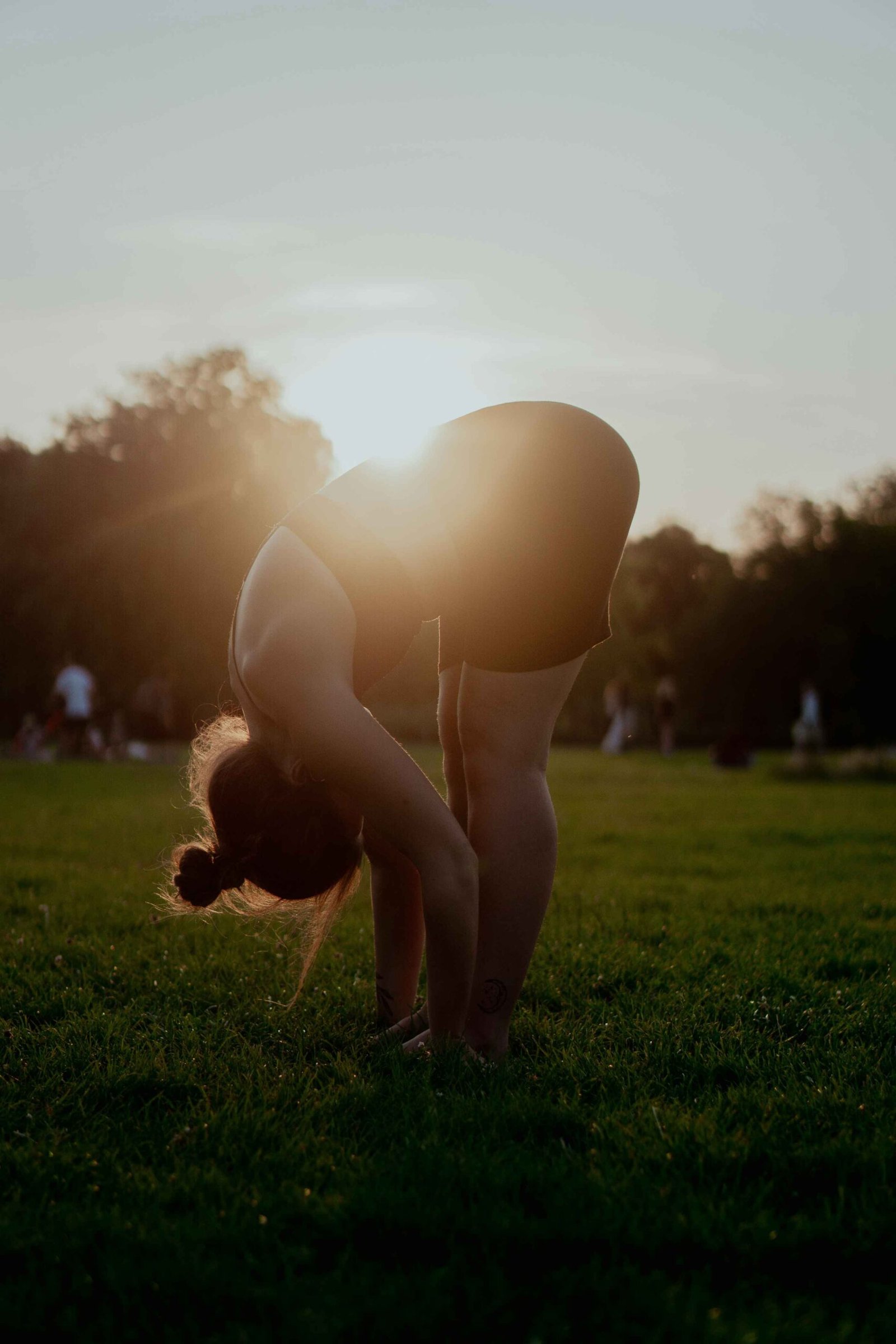
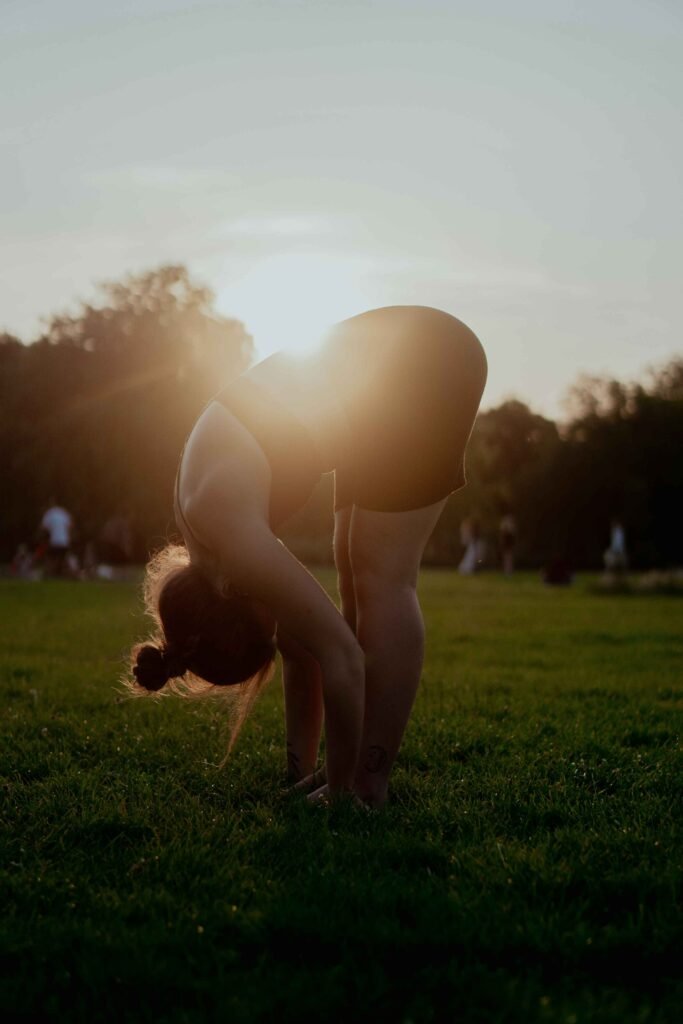
4. Forward Fold (Ragdoll)
Stand with feet hip-width apart. Bend forward and let your arms hang. Slightly bend your knees to protect your lower back.
This stretch helps release tension in your neck and shoulders, which is especially helpful after sitting at a desk for a long time.
5. Seated Spinal Twist
Sit upright and twist gently to one side. Hold for 20 seconds, then switch sides.
Twisting helps your blood flow and keeps your spine flexible. It also brings balance to your stretching routine.
6. Legs Up the Wall
Lie on your back and place your legs up against a wall. Rest your arms by your sides.
This gentle stretch helps calm your nervous system. Many experts suggest doing it before bed to help with stress relief.
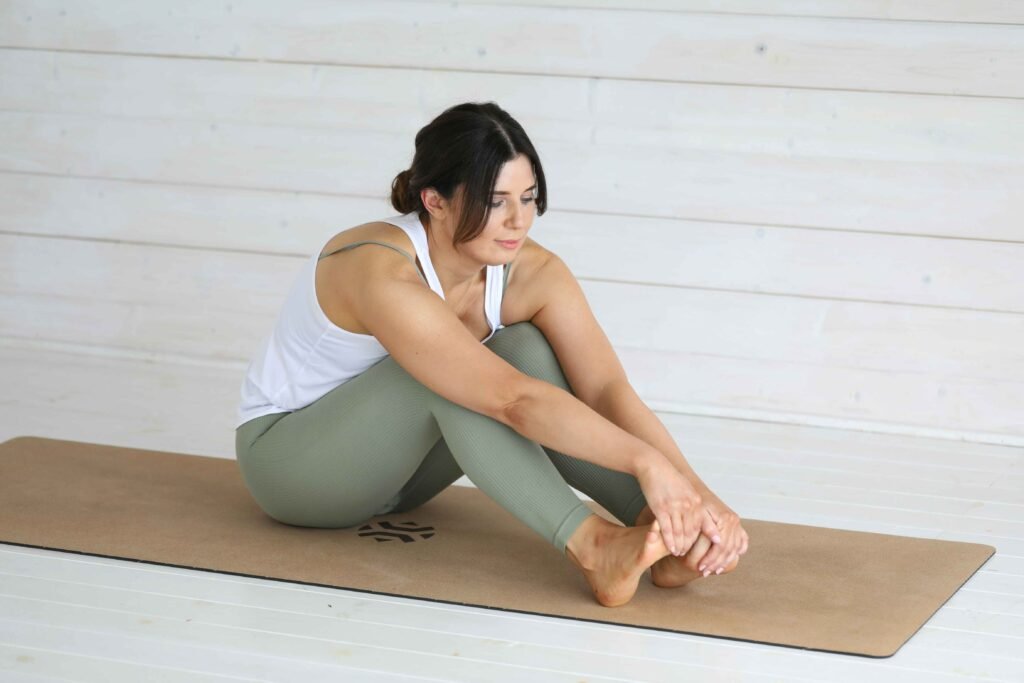
7. Happy Baby Pose
Lie on your back and hold the outside of your feet with your knees bent. Gently rock side to side.
This fun stretch opens your hips and helps let go of tension. Many families like to include it in their stretching routine.
8. Psoas Stretch
Step one foot forward into a gentle lunge while keeping the back knee down. Shift your hips slightly forward.
This stretch works on deep hip tension from sitting too much. Adding it to your routine can help if you spend a lot of time at a desk.
Combine Stretching for Stress Relief With Deep Breathing
Breathing deeply makes stretching work even better. Harvard Health says that slow breathing can lower your heart rate and help you relax.
Try this simple breathing pattern during stretching for stress relief:
- Inhale for 4 seconds
- Hold for 4 seconds
- Exhale for 6 seconds
Breathing out for longer tells your body to relax. When you add deep breathing to stretching, you help both your muscles and your mind feel calmer.
You can also follow guided stretching routines from AskDoctorJo :
When Is the Best Time for Stretching for Stress Relief?
You can stretch to relieve stress any time of day. Stretching in the morning wakes up your muscles, midday stretches ease work tension, and evening stretches help you get ready for sleep.
Research shows that physical activity improves mood and reduces stress symptoms (CDC Physical Activity Basics). Even gentle stretching for stress relief counts as beneficial movement.
Pick a time that works for you. Doing it regularly is what brings real results.
Stretching for Stress Relief for Families
Families can make stretching for stress relief a special time together. Try spending five minutes stretching before dinner or bedtime. You can play soft music and lower the lights to make it relaxing.
Kids feel stress from school and friends too. Teaching them to stretch for stress relief gives them a healthy way to cope as they grow.
Make stretching fun and easy. Focus on breathing and simple moves. Over time, this habit can help everyone feel better both emotionally and physically.
Is Stretching for Stress Relief Safe?
For most people, stretching for stress relief is safe and gentle. But do not push yourself into pain. If you have injuries, joint issues, or are pregnant, check with your doctor first.
Gentle stretching helps your flexibility and blood flow without causing strain. If you do it mindfully, stretching for stress relief can become a healthy daily habit.
Final Thoughts on Stretching for Stress Relief
Stress might seem impossible to avoid, but you do not have to let tension control your body. Stretching for stress relief is a simple, natural way to help your body reset. It lets you breathe deeper, move more easily, and think more clearly.
You do not need perfect form or long workouts. Just a few mindful minutes each day can lift your mood and boost your energy. With time, stretching for stress relief becomes more than exercise—it becomes a way to care for yourself every day.
References
- American Institute of Stress. Stress Effects.
https://www.stress.org/stress-effects - Mayo Clinic. Stress Management.
https://www.mayoclinic.org/healthy-lifestyle/stress-management/in-depth/stress/art-20046037 - Harvard Health. Relaxation Techniques and Breathing.
https://www.health.harvard.edu/mind-and-mood/relaxation-techniques-breath-control-helps-quell-errant-stress-response - Centers for Disease Control and Prevention (CDC). Physical Activity Basics.
https://www.cdc.gov/physicalactivity/basics/index.htm